Results variations among Indian noses
India is a land of immense geographical and sociological diversity, and this variety is clearly reflected in the unique nasal structures seen across different regions. From the northern mountainous regions to the southern coasts, the "Indian nose" encompasses a wide spectrum of shapes, sizes, and skin types. In modern aesthetic practice, there is a significant and growing demand for natural-looking results that respect the patient's ethnic identity while enhancing facial harmony.
Common Nasal Variations in India
Practitioners encounter a broad range of anatomical presentations, including:
- Dorsal humps and prominent bridges
- Saddle nose deformities (depressed bridges)
- Crooked or deviated noses
- "Asian type" noses with lower bridges and wider bases
- Varied skin types: from thin and delicate to thick, sebaceous, or highly pigmented skin
Factors Influencing Rhinoplasty Results
The success of a rhinoplasty procedure and the final aesthetic outcome depend on several critical anatomical factors:
- Skin Quality: Whether the skin is thin (showing every detail of the underlying structure) or thick and sebaceous (which can mask refinement).
- Cartilage Quality: The strength and support provided by the nasal cartilage, which determines how well the new shape is maintained.
- Bone Anatomy: The underlying skeletal framework that supports the nose and dictates the initial width and alignment.
Results by Category
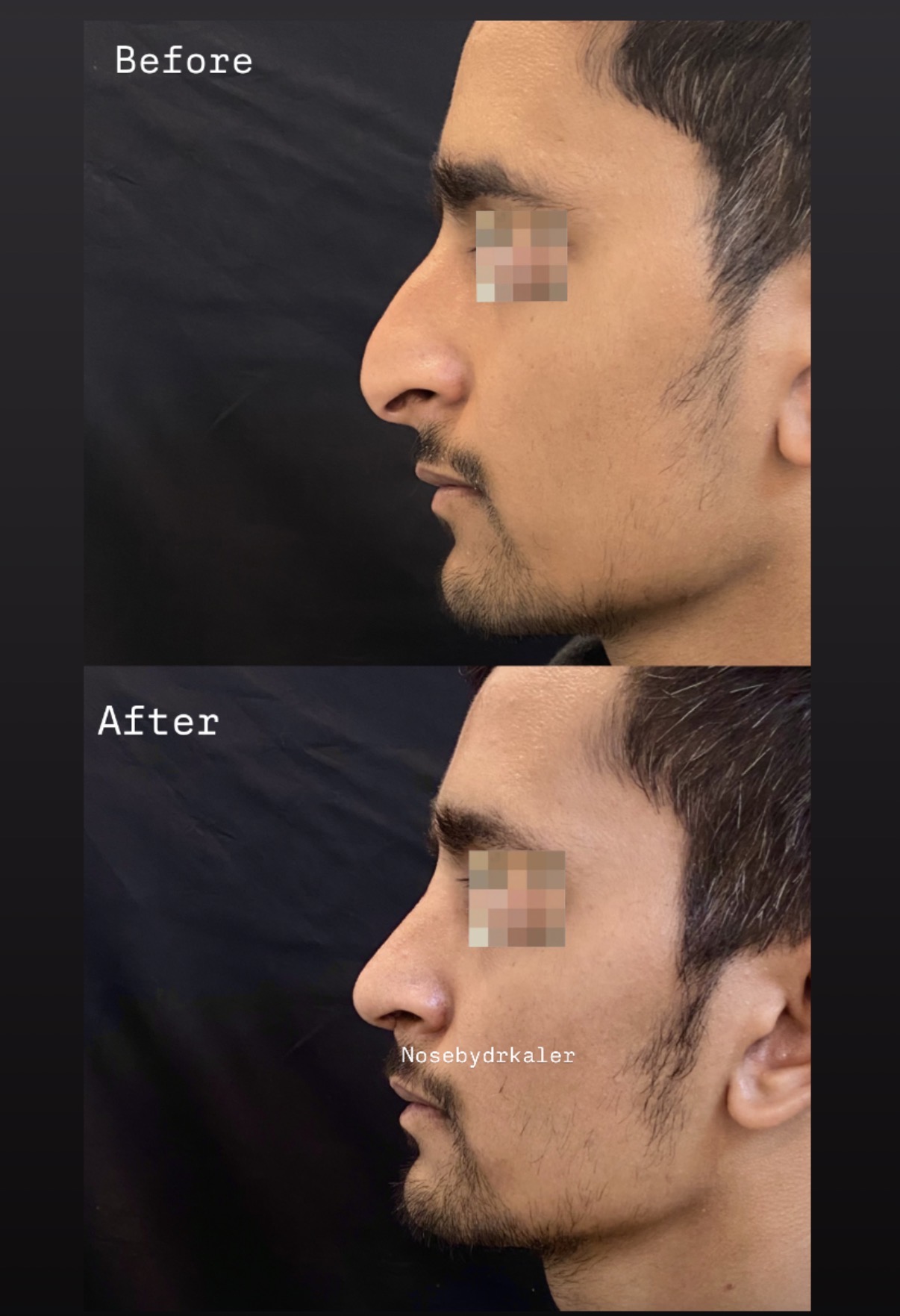
Dorsal Hump Correction
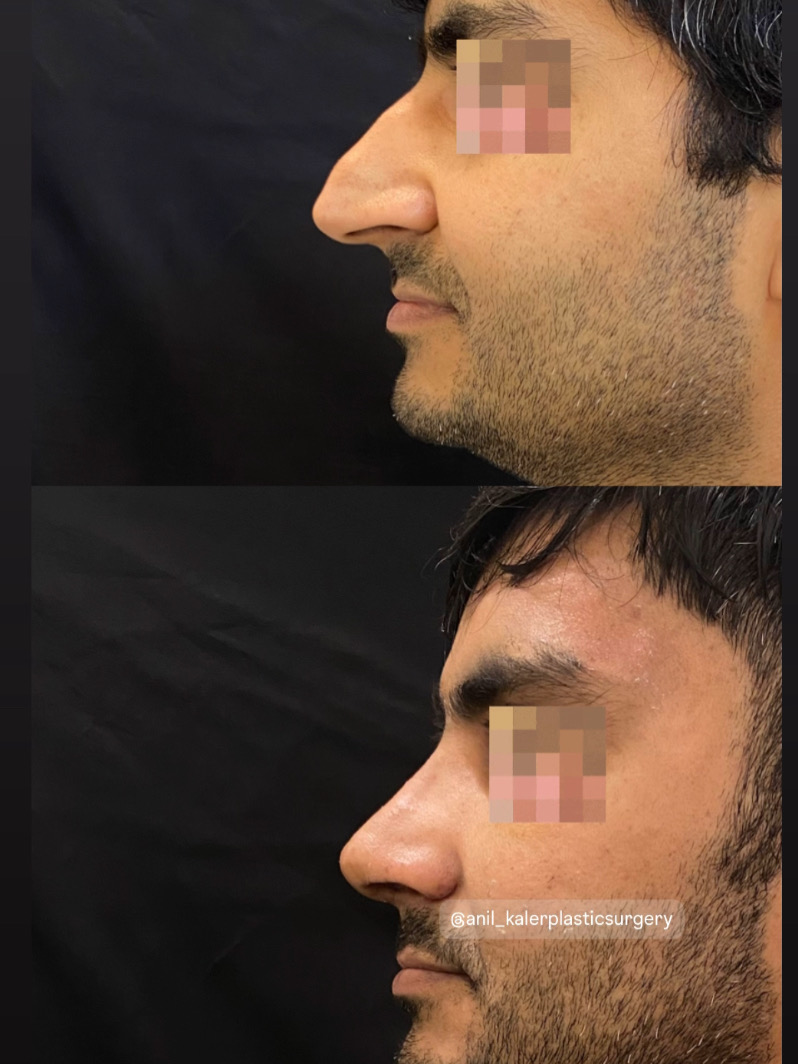
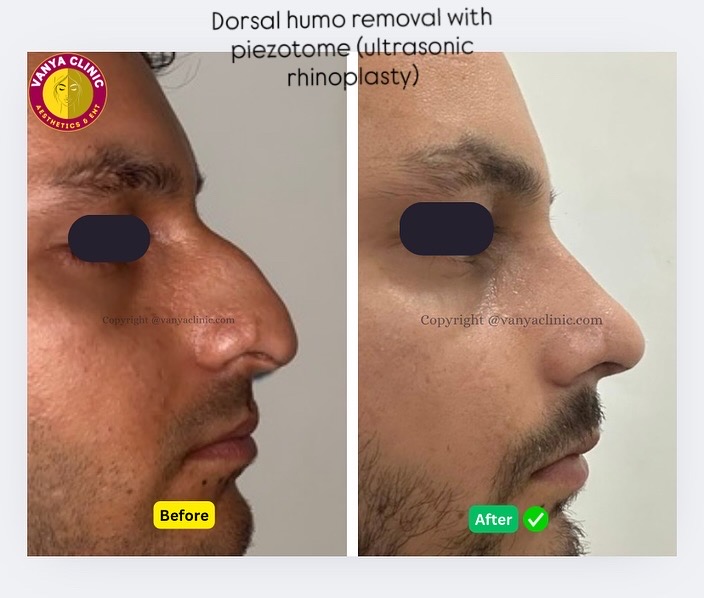
Removing a dorsal hump requires precision to maintain a natural profile. Modern techniques, such as total dorsal preservation, are often used to achieve a smooth bridge without the "scooped" or artificial look that was common in the past.
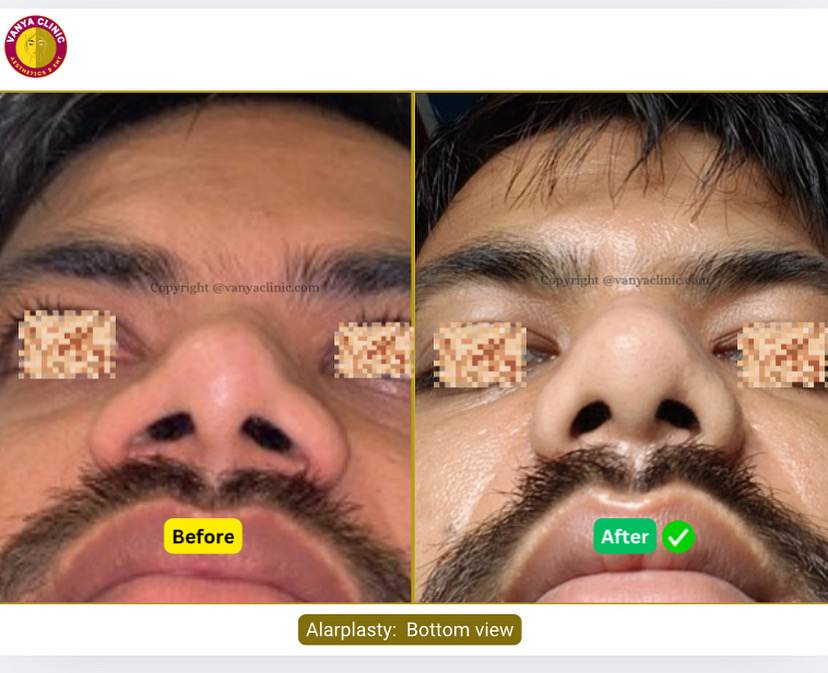
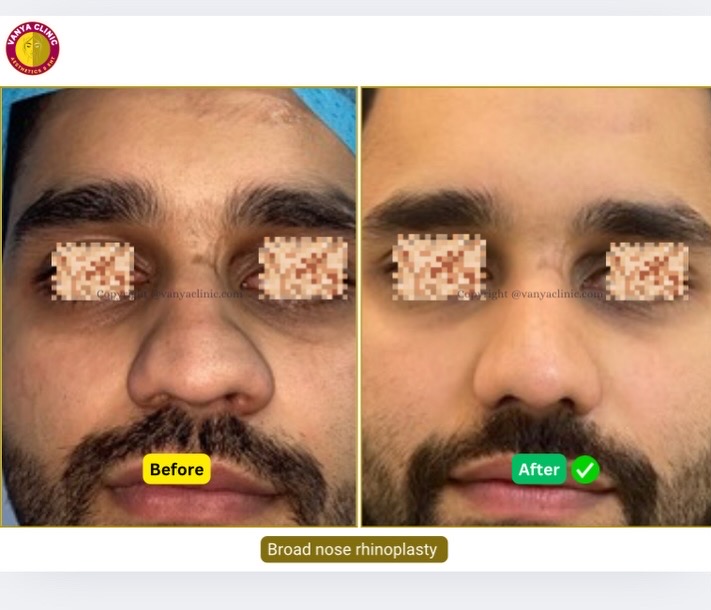
Thick Skin and Wide Alar Bases
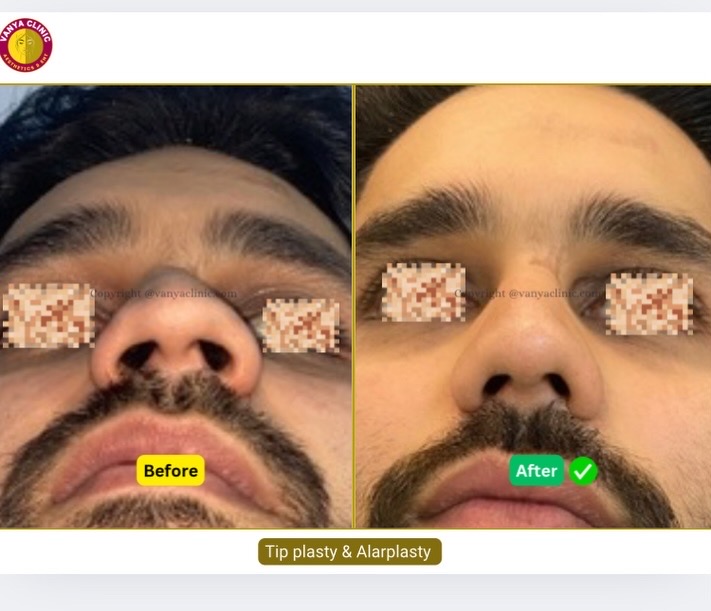
Patients with thicker skin and wider nostrils (ala) require specialized techniques. The goal is to create structural definition that remains visible through the thicker skin envelope while narrowing the base for a more refined appearance.
Saddle Nose and Low Bridge Augmentation
For noses with a low bridge or a "saddle" depression, augmentation is necessary. This is often performed using the patient's own costal (rib) cartilage to provide strong, natural, and long-lasting support for the nasal bridge.
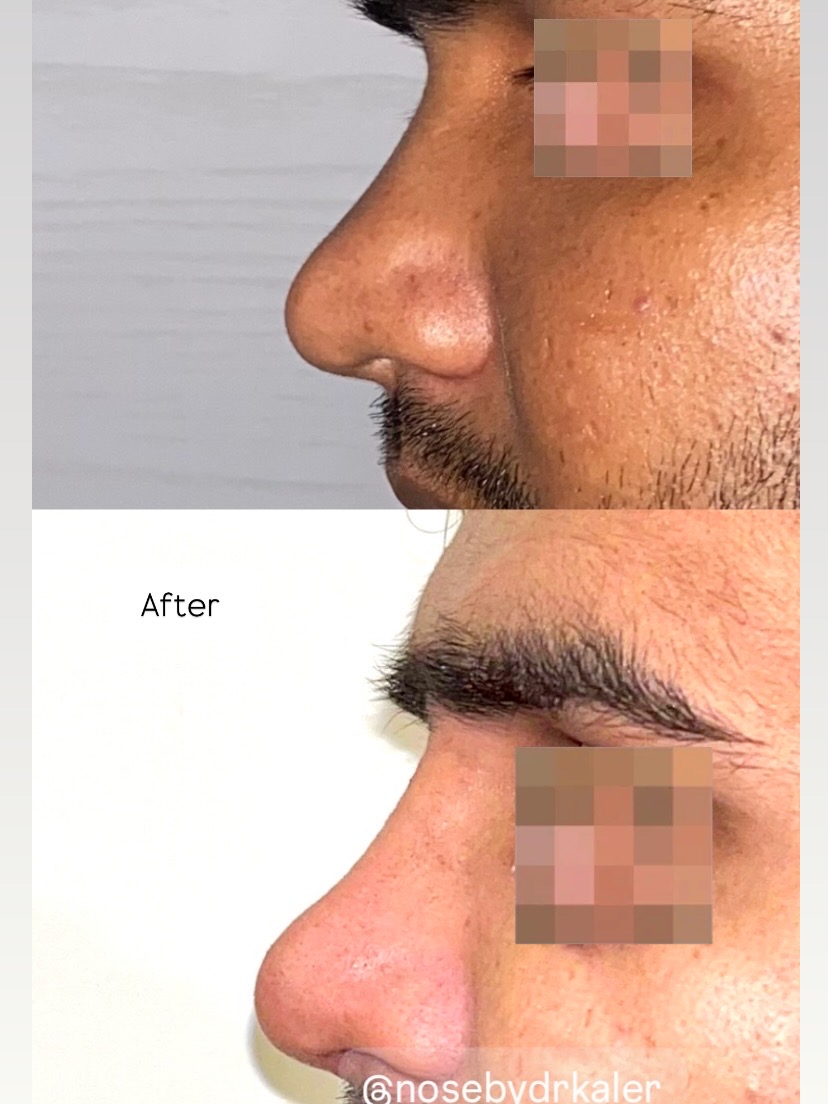
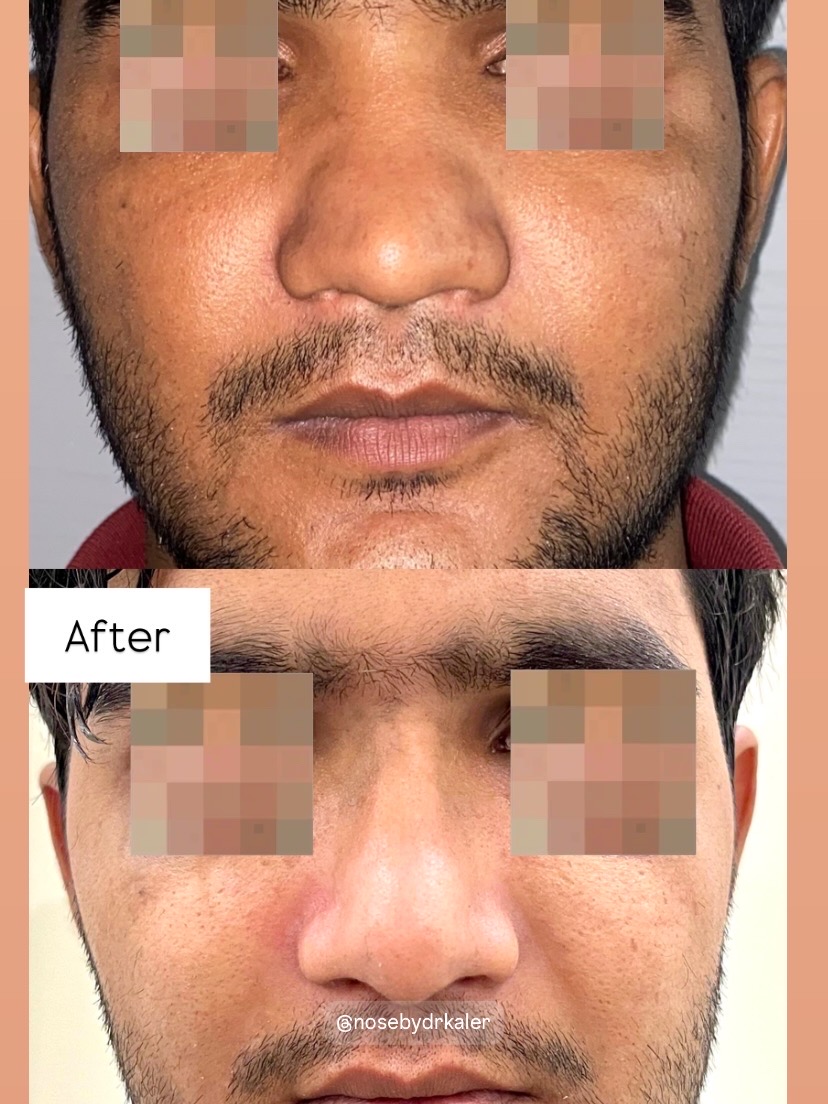
Correcting the Crooked Nose
A crooked nose often involves both functional breathing issues and aesthetic challenges. This is particularly complex when paired with thin skin, as any minor underlying asymmetry can be more visible, requiring meticulous structural correction.
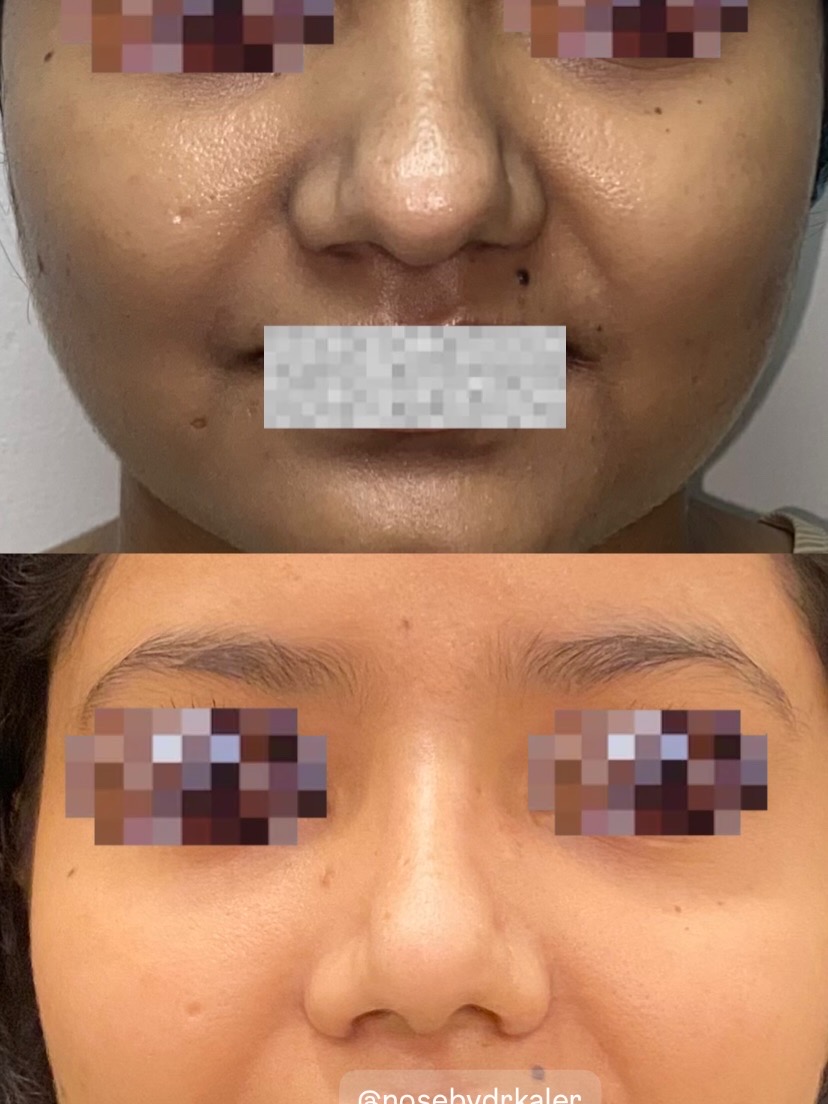
Managing Large Noses and Cartilage Strength
Large noses may be supported by either weak or strong cartilage. The surgical approach must be tailored to provide enough structural integrity to prevent collapse while refining the overall size to better suit the patient's face.