
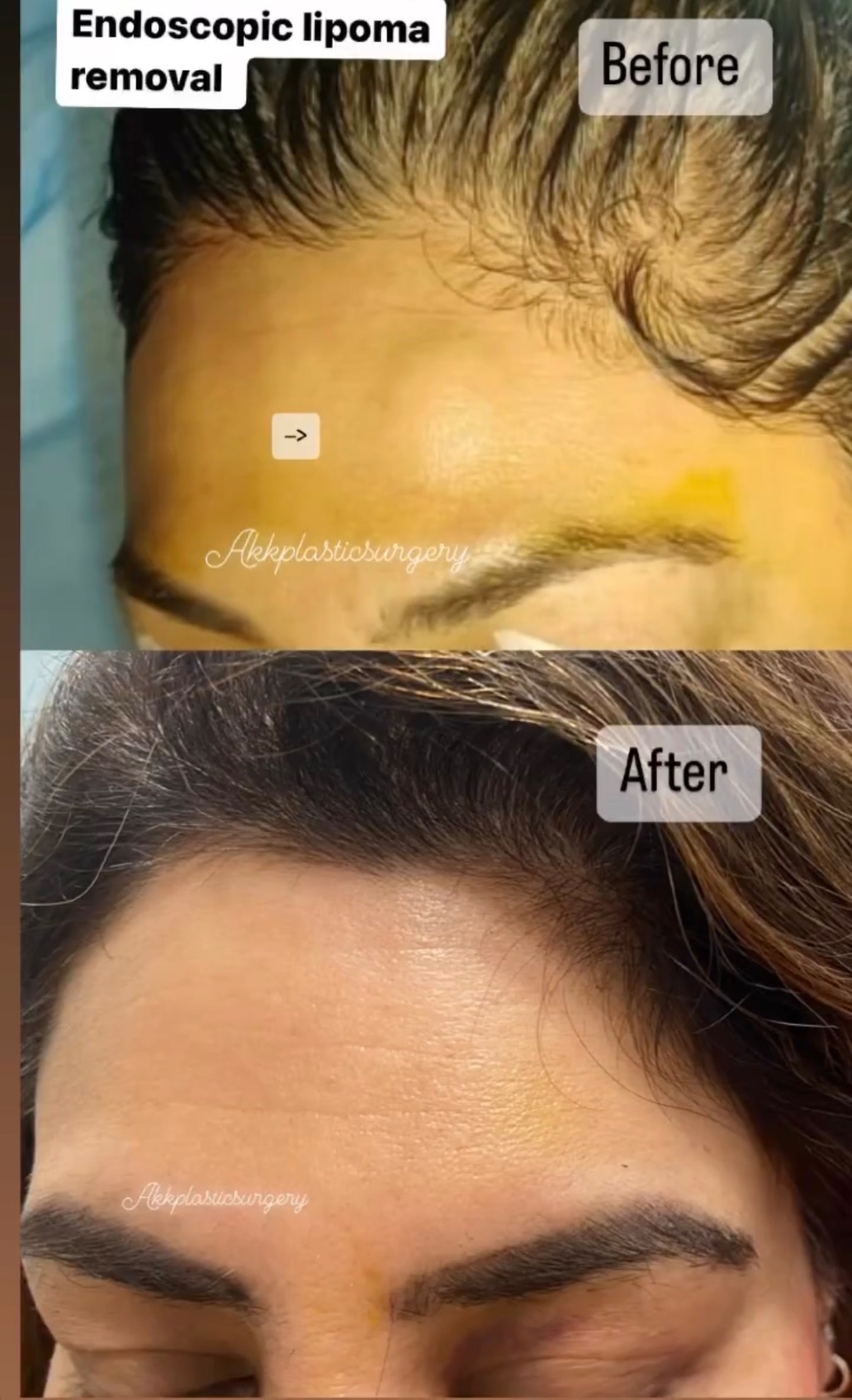
Endoscopic forehead lipoma removal: a novel total scarless technique
Forehead lipomas are benign, fatty growths that often appear as soft lumps under the skin. While they are generally harmless, many individuals choose to have them removed for aesthetic reasons. Traditionally, patients had to choose between a simple procedure with a visible scar or more complex methods to hide the evidence of surgery.
Traditional Removal Methods
When considering lipoma removal, there are two common traditional approaches, each with its own set of trade-offs:
- Direct Excision: This is the most straightforward method. The surgeon makes a direct cut over the lipoma to remove it. While it is quick, easy, and involves minimal downtime, the primary drawback is a permanent, visible scar on the forehead.
- Hairline Incision: If the lipoma is located near the top of the forehead, the surgeon may be able to place the incision within the hairline. This makes the scar virtually invisible, though it is only an option for lipomas situated close to the hair.
The Endoscopic "Scarless" Technique
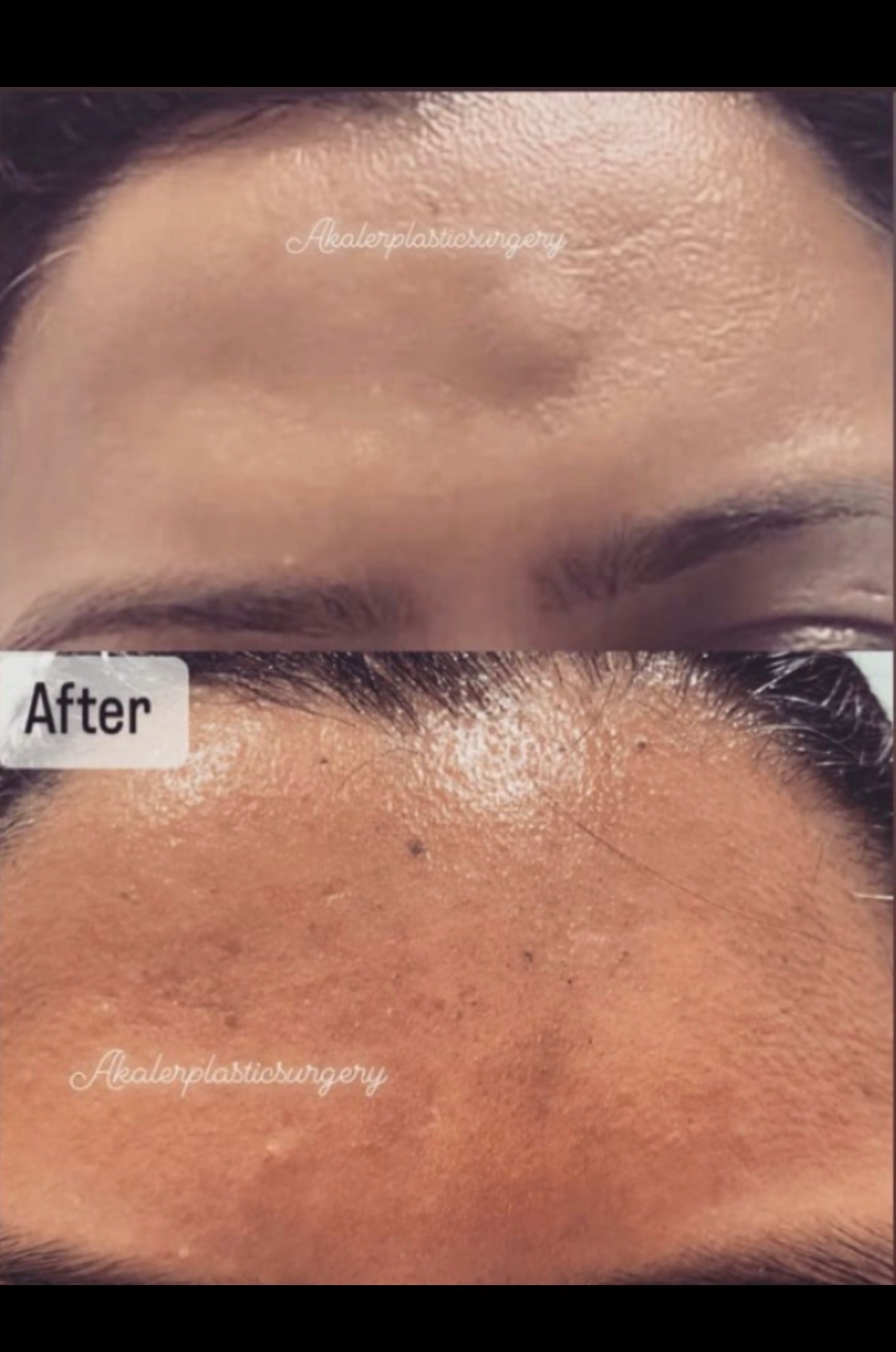
A novel approach in aesthetic surgery is the endoscopic forehead lipoma removal. This technique is considered "totally scarless" because no incisions are made on the face. Instead, the surgeon makes two small incisions within the scalp, where they are completely hidden by hair.
Using an endoscope—a thin tube with a camera and light—the surgeon can visualize the lipoma from a distance and carefully remove it through the scalp incisions. This ensures the forehead remains smooth and free of any surgical marks, providing a superior aesthetic outcome.
Considerations and Recovery
While the endoscopic method offers the benefit of no facial scarring, there are a few factors to consider before choosing this path:
- Procedure Time: Because of the precision required and the distance from the incision to the lipoma, the surgery typically takes longer than a direct excision.
- Recovery and Swelling: Patients may experience more swelling and a slightly longer recovery period compared to traditional methods.
- Cost: Due to the specialized equipment and expertise required, this procedure is generally more expensive.
- Surgical Expertise: This technique requires a specialized "learning curve" for surgeons. It is important to choose a provider who is highly trained in endoscopic facial surgery to ensure the best results.