
Chemical Peel for Pigmentation: Best Solutions for Stubborn Dark Spots
Dark spots don’t just appear out of nowhere. Whether it is sun damage that has snuck up on you over the years or hormonal changes that have left their mark, seeing unexpected patches on your skin can be frustrating. You may have tried countless creams and serums, but often, these stubborn spots require a more targeted approach.
If you are dealing with pigmentation issues, you are certainly not alone. A chemical peel for pigmentation offers a professional, effective solution when topical treatments fall short. This guide will walk you through how these treatments work, what you can expect during the process, and how to choose the right option for your unique skin needs.
Understanding Pigmentation: What Causes Dark Spots?
Your skin produces melanin, the pigment responsible for your natural skin tone. Sometimes, this production goes into overdrive. Sun exposure is a common trigger for excess melanin, while hormonal shifts—such as those during pregnancy or while taking birth control—can also lead to discolouration. Even the aftermath of acne can leave behind stubborn marks known as post-inflammatory hyperpigmentation.
These dark patches often resist over-the-counter treatments because they sit in different layers of your skin. A chemical peel is designed to reach these deeper layers, effectively addressing the source of the pigmentation.
How Chemical Peels Target Pigmentation
Unlike your daily skincare routine, a chemical peel uses carefully formulated acids to gently remove the damaged outer layers of your skin. As the old skin sheds, fresh, new skin emerges with a more even tone and reduced discolouration.
The process is highly controlled and tailored to your specific needs. Light peels are used to refresh the surface, while medium peels penetrate deeper to address more persistent concerns. By targeting pigmentation at its source, these treatments provide a level of correction that topical products simply cannot achieve.
Types of Chemical Peels for Dark Spots
The best chemical peel for you depends on your skin type, the nature of your pigmentation, and your comfort level with downtime. Here are the most common options:
Glycolic Acid Peels
These alpha-hydroxy acid treatments gently exfoliate the top layer of skin, making them ideal for mild discolouration and uneven tone.
Salicylic Acid Peels
As a beta-hydroxy acid, this option penetrates oil-filled pores effectively. It is excellent for treating acne-related dark spots and reducing inflammation.
TCA Peels
Trichloroacetic acid peels penetrate deeper into the skin, making them a powerful choice for significant pigmentation issues like melasma and sun damage.
Mandelic Acid Peels
Derived from almonds, this acid works more slowly, offering a gentler approach that is perfect for sensitive skin.
Combination Peels
Many clinics offer custom blends, such as the VI Peel, which combine multiple acids to target various pigmentation concerns simultaneously.
Benefits of Chemical Peels Over Topical Treatments
A chemical peel does more than just temporarily lighten the skin; it addresses the root causes of discolouration. The benefits include:
- Deep Exfoliation: It removes accumulated melanin sitting in the skin’s outer layers.
- Enhanced Cell Turnover: It stimulates the production of fresh, evenly pigmented cells.
- Melanin Inhibition: Many peeling agents help prevent new dark spots from forming by regulating melanin production.
What the Treatment and Healing Process Looks Like
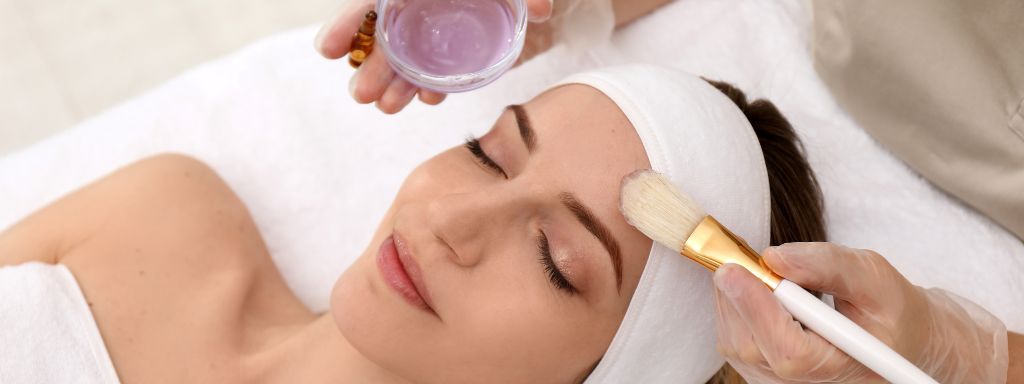
Your journey begins with a detailed skin assessment to determine the depth of your pigmentation and your overall skin health. On the day of your treatment, your skin will be cleansed, and the peel will be applied evenly. You may feel a mild tingling or warming sensation, which is completely normal.
Assessment & Prep
A thorough skin analysis to select the ideal peel strength and formulation for your specific pigmentation type.
Application
The medical-grade peel is precisely applied. A mild, temporary tingling sensation indicates the active ingredients are working.
Shedding & Renewal
Over the next few days to a week, old skin gently flakes away, revealing a brighter, more uniform complexion underneath.
Important Note on Safety: After your treatment, your fresh skin will be highly sensitive to UV rays. Daily use of SPF 50+ sunscreen is non-negotiable to protect your results and prevent new pigmentation from forming.
Experience Expert Care at Sculpta Aesthetics
Treating pigmentation requires both science and artistry. At Sculpta Aesthetics, we understand that every person’s skin tells a different story. Our experienced team uses medical-grade formulations to create a treatment plan tailored to your lifestyle, skin type, and aesthetic goals, all while maintaining the highest standards of safety and hygiene.
We are proud to offer advanced chemical peel treatments in Mumbai. If you are ready to achieve a brighter, more even complexion, we are here to guide you through every step of the process.
Ready to get started? Book a consultation with us now to discuss your skin goals. For more updates and skin tips, follow us on Instagram: @sculpta_aesthetics.