 Vanya clinic
Results variations among Indian noses
Understanding the Diversity of Indian Nasal Anatomy
India is a land of immense geographical and sociological diversity, and this variety is clearly reflected in the facial features of its people. In the field of rhinoplasty, we encounter a wide spectrum of nasal structures, ranging from prominent dorsal humps to flatter, wider profiles. Understanding these variations is essential for achieving the best aesthetic and functional outcomes.
Today, there is a significant emphasis on natural-looking results. Patients are no longer looking for a generic "perfect" nose; instead, they seek a refined version of themselves that maintains their ethnic identity and facial harmony. A successful procedure should enhance the face without making it obvious that surgery was performed.
Key Factors Influencing Rhinoplasty Results
The success of a nose job depends on several anatomical factors that vary significantly across the Indian population:
- Skin Quality: Whether the skin is thick, thin, sebaceous, or has specific pigmentation, it dictates how well the underlying changes will be visible.
- Cartilage Strength: The integrity of the nasal cartilage determines the level of support and definition that can be achieved.
- Bone Anatomy: The underlying skeletal structure provides the foundation for the entire nasal shape.
Results by Category
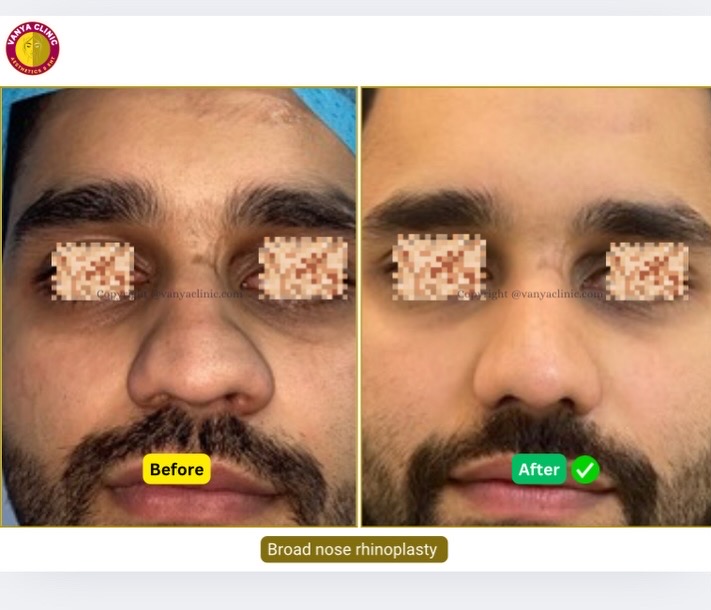
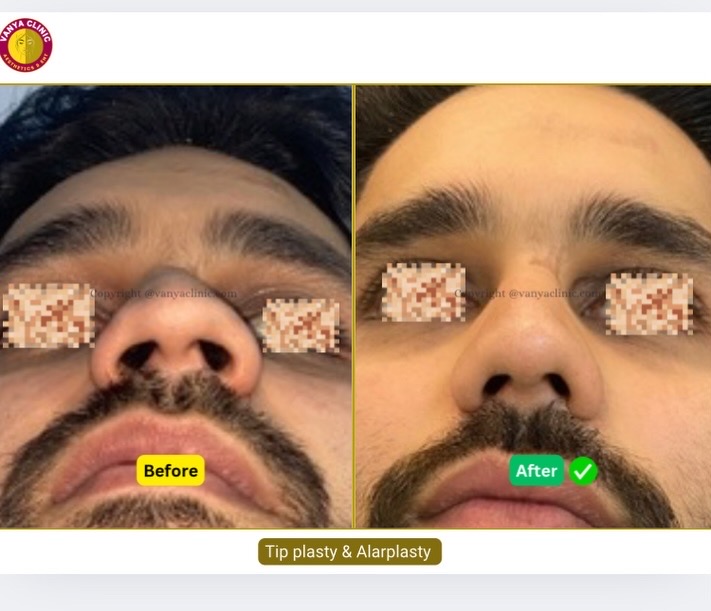
Thick Skin and Wide Alar Base
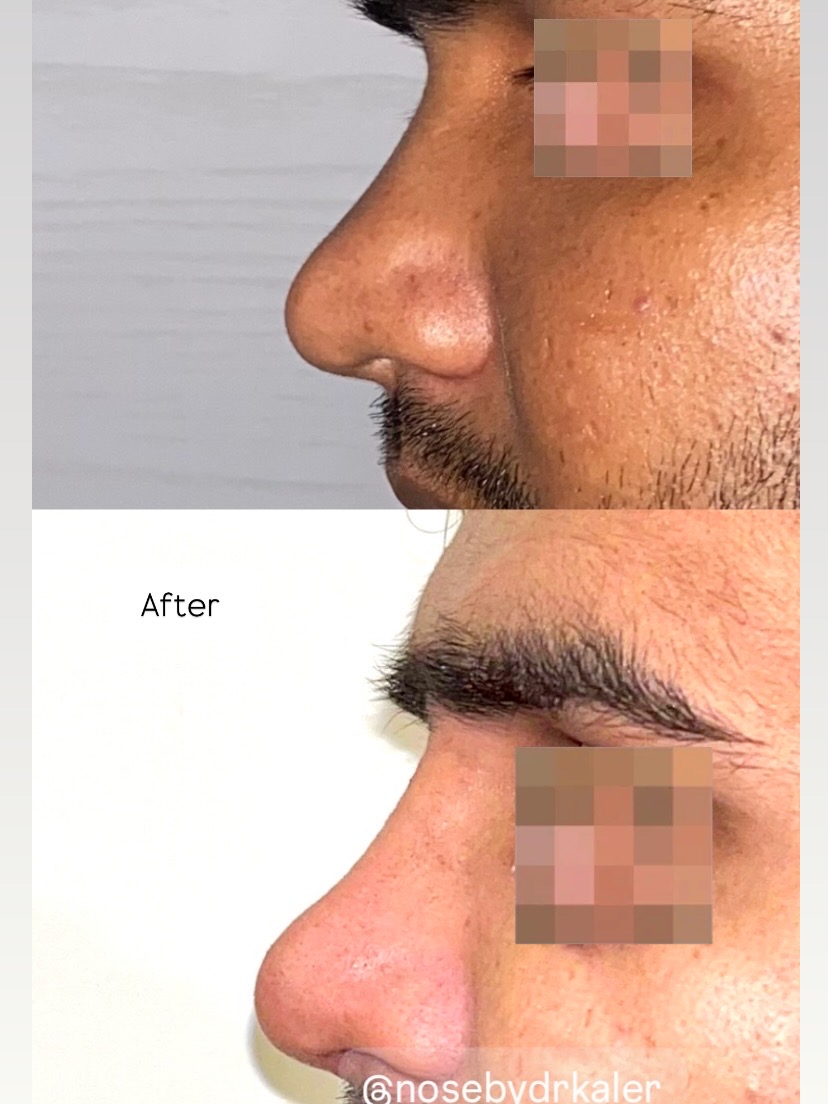
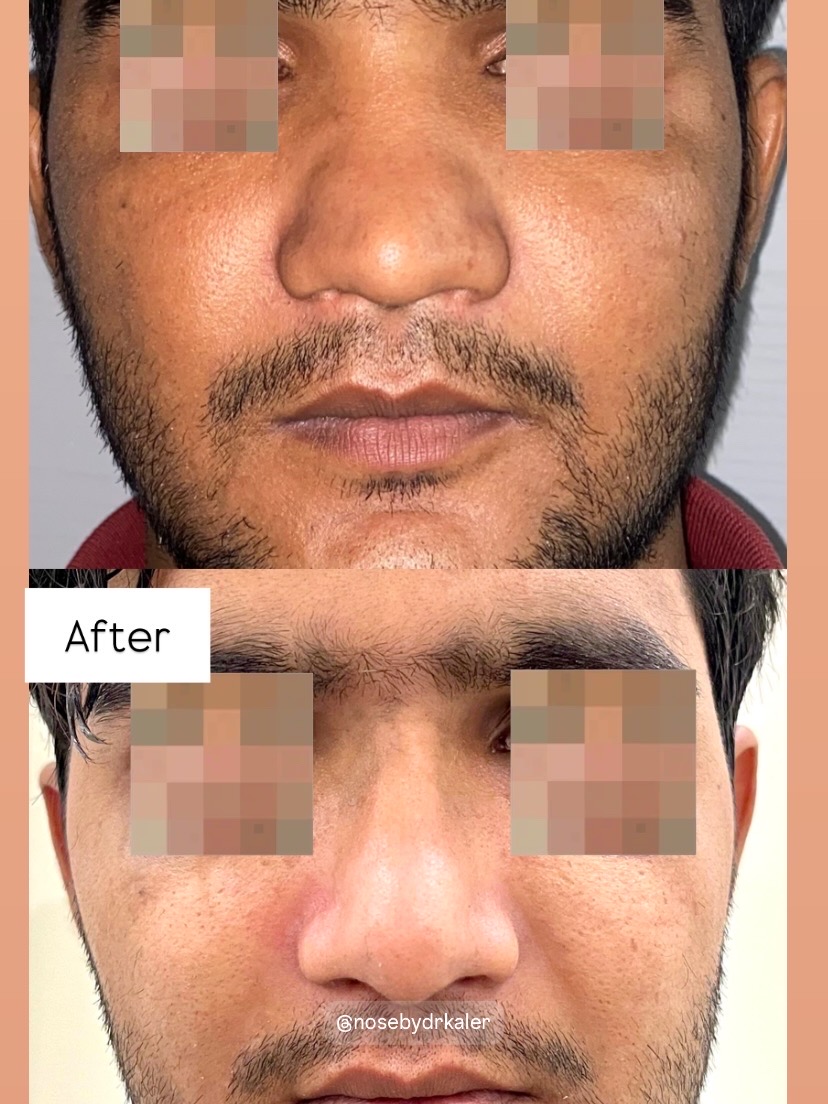
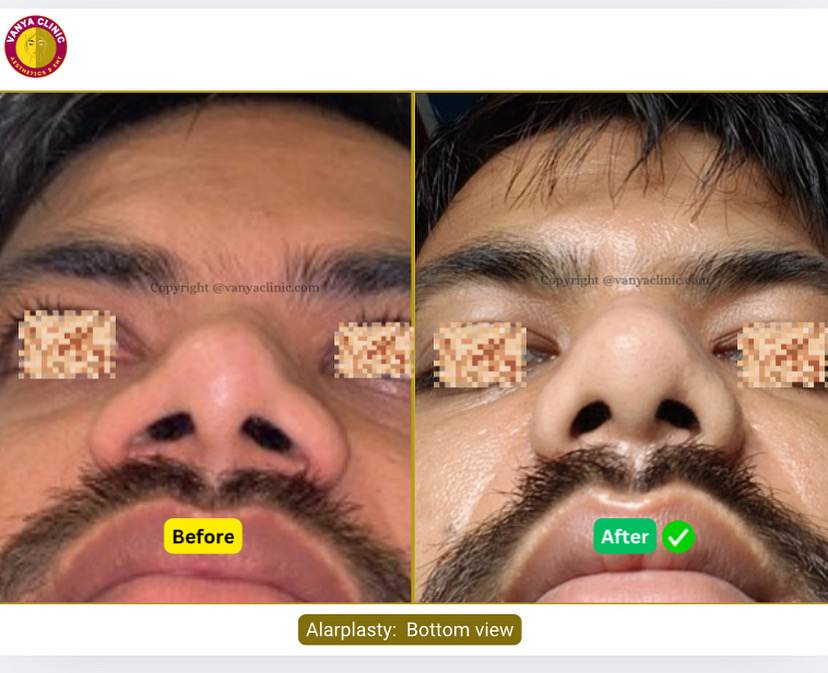
Many patients present with thicker, sebaceous skin and a wider alar base (nostrils). These cases require specialized techniques to provide definition to the tip while ensuring the skin drapes naturally over the new structure.
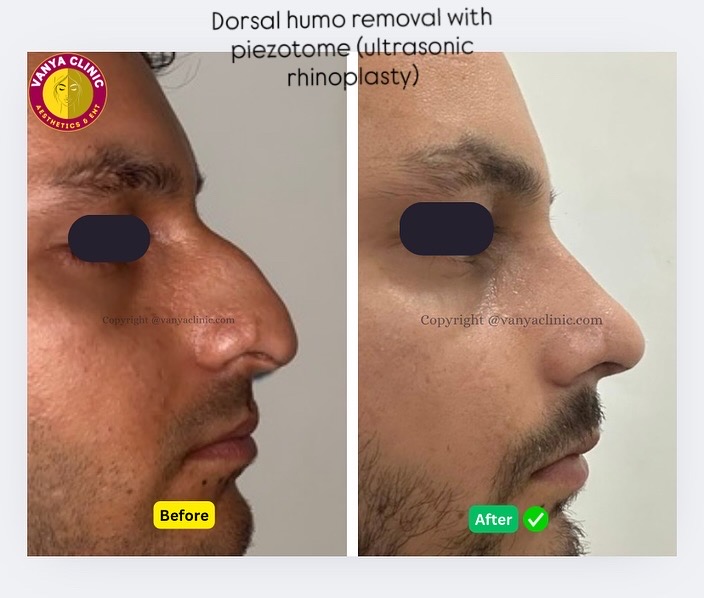
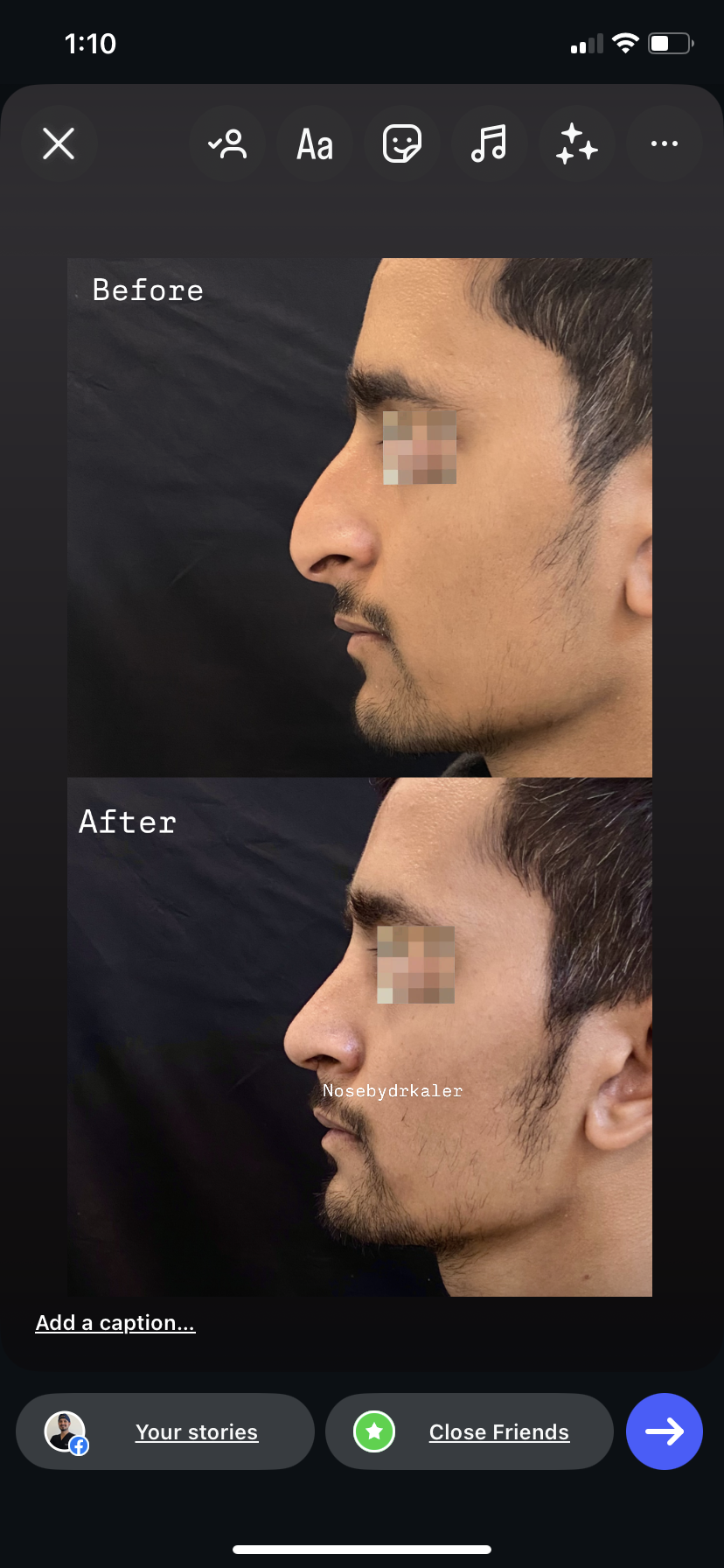
Dorsal Humps and Thin Skin
In cases with a prominent hump and thin skin, the surgeon must be extremely precise. Thin skin provides less "padding," meaning any irregularities in the bone or cartilage could be visible. Preservation rhinoplasty is often an excellent option here to maintain the natural bridge line while removing the hump.
Structural Support for Weak Cartilage
Some noses may appear large but actually possess very weak cartilage. In these instances, the goal is to provide structural reinforcement to prevent the nose from collapsing or looking "droopy" over time, ensuring a lasting and natural shape.
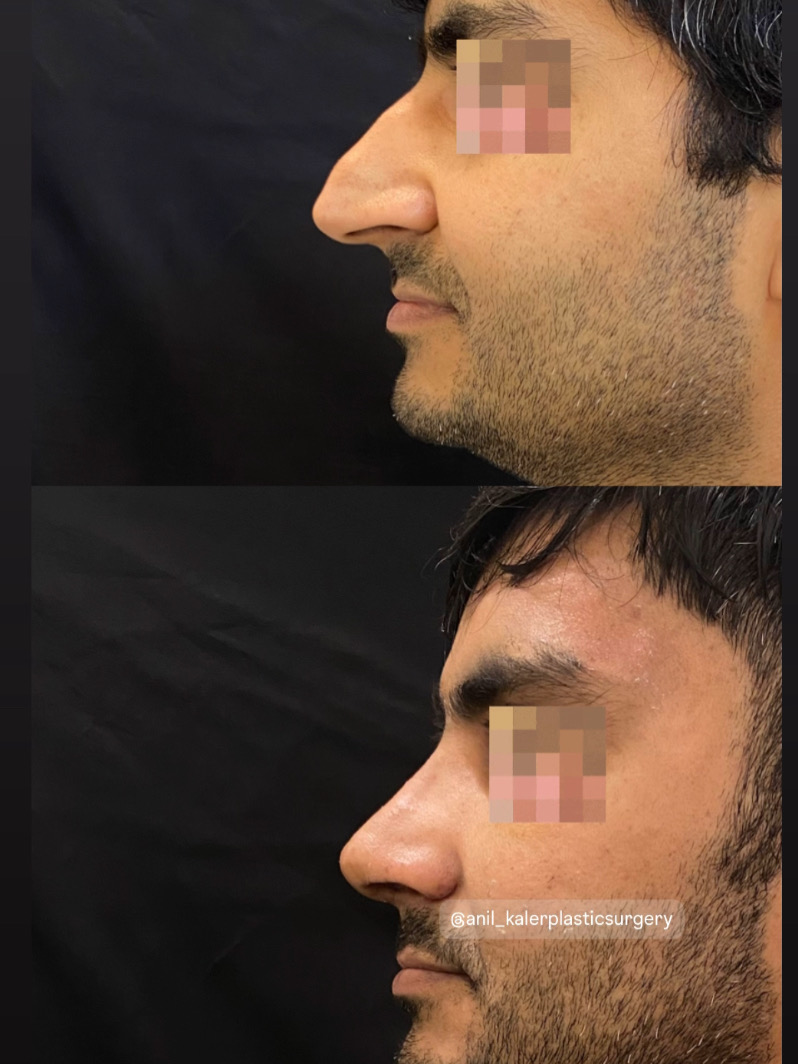
Correcting the Crooked Nose
A crooked nose often involves both aesthetic concerns and functional breathing issues. Straightening the septum and the external nasal pyramid is vital for a balanced, symmetrical look that fits the rest of the facial features.
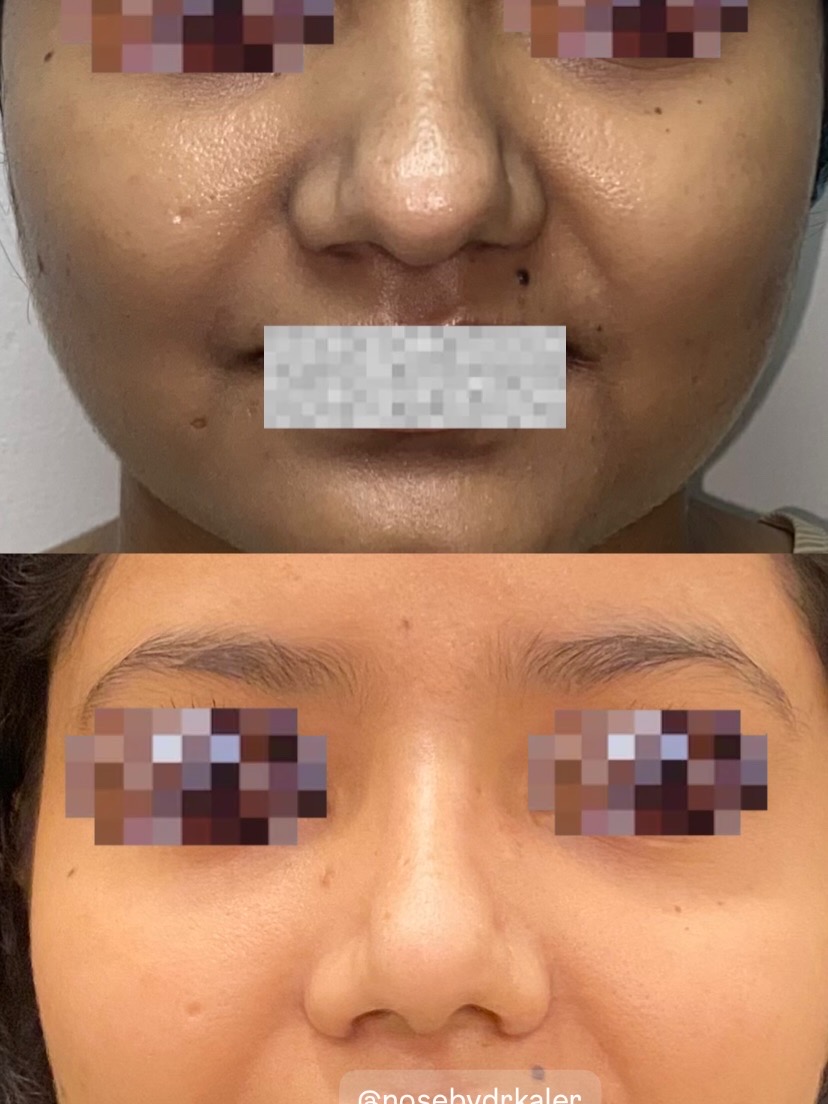
Augmentation for Low Bridges and Saddle Noses
For patients with a low dorsal bridge or a "saddle nose" deformity (a depression in the bridge), augmentation is necessary. Using the patient's own costal (rib) cartilage is a gold standard for providing a strong, natural-looking lift and restoring the nasal profile.