
Understanding Common Skin and Subcutaneous Swellings
It is very common to find small bumps or swellings on or under the skin. While many of these are benign (non-cancerous), understanding their characteristics is essential for knowing when to seek professional medical advice. Below is a guide to the most common types of skin and subcutaneous swellings.
Common Surface Growths
- Warts: Small, grainy skin growths caused by the human papillomavirus (HPV). They are often rough to the touch and can appear anywhere on the body, though they are most common on hands and feet.
- Moles: Pigmented spots caused by clusters of melanocytes. While most are harmless, any change in size, shape, or color should be evaluated by a professional.
- Skin Tags: Small, soft, flesh-colored growths that hang off the skin. They are typically found in areas where skin rubs against skin or clothing, such as the neck or armpits.
- Blisters: Small pockets of fluid within the upper layers of the skin, usually caused by friction, burns, or localized infections.
Subcutaneous (Under-the-Skin) Swellings
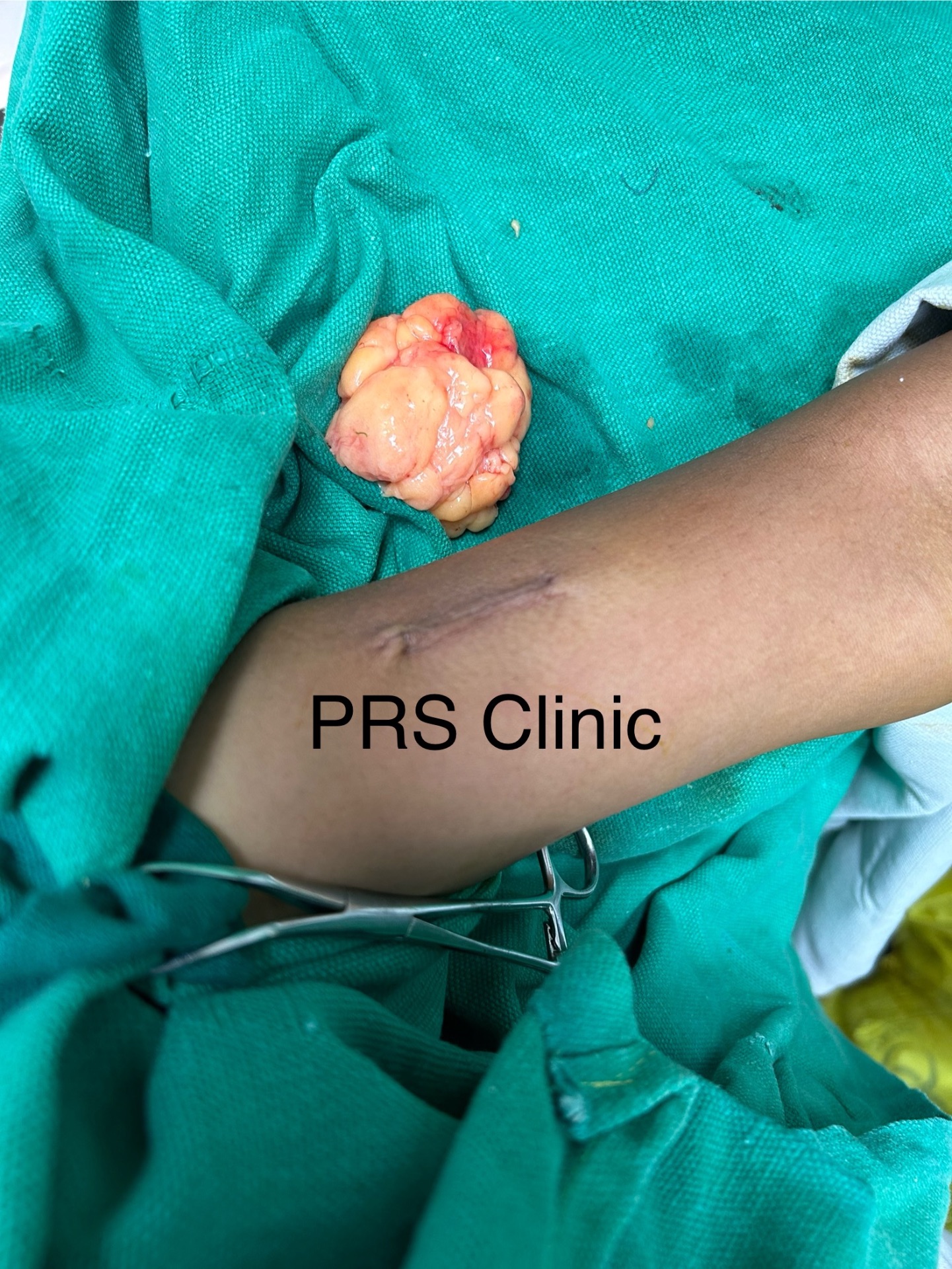
- Lipomas: These are soft, fatty lumps that grow slowly under the skin. They are usually painless, move easily when pressed, and are considered harmless.
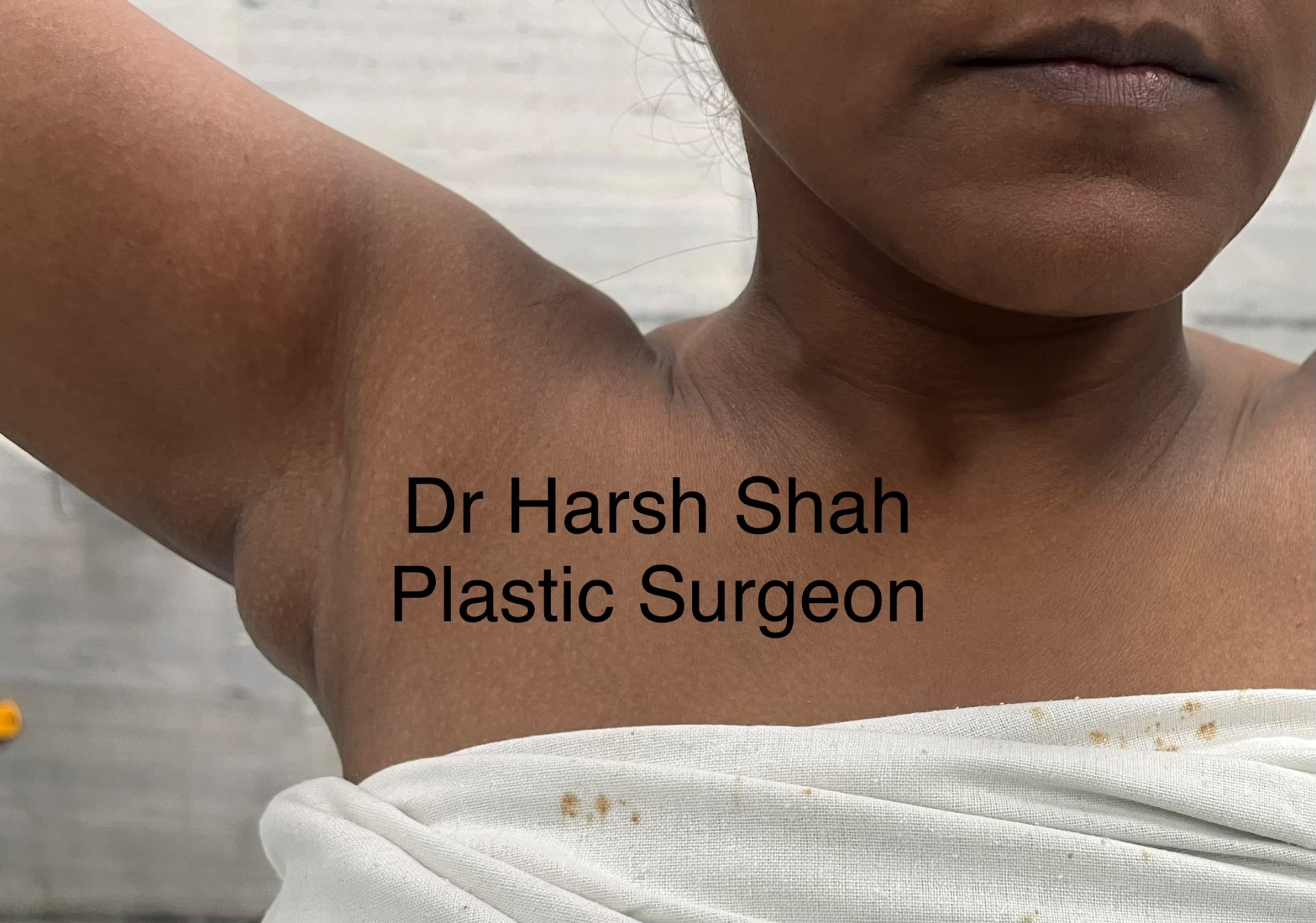
Lipoma - Axillary Breasts: In some cases, breast tissue can extend into the armpit (axilla). This can present as a swelling that is sometimes mistaken for a lipoma or a lymph node.
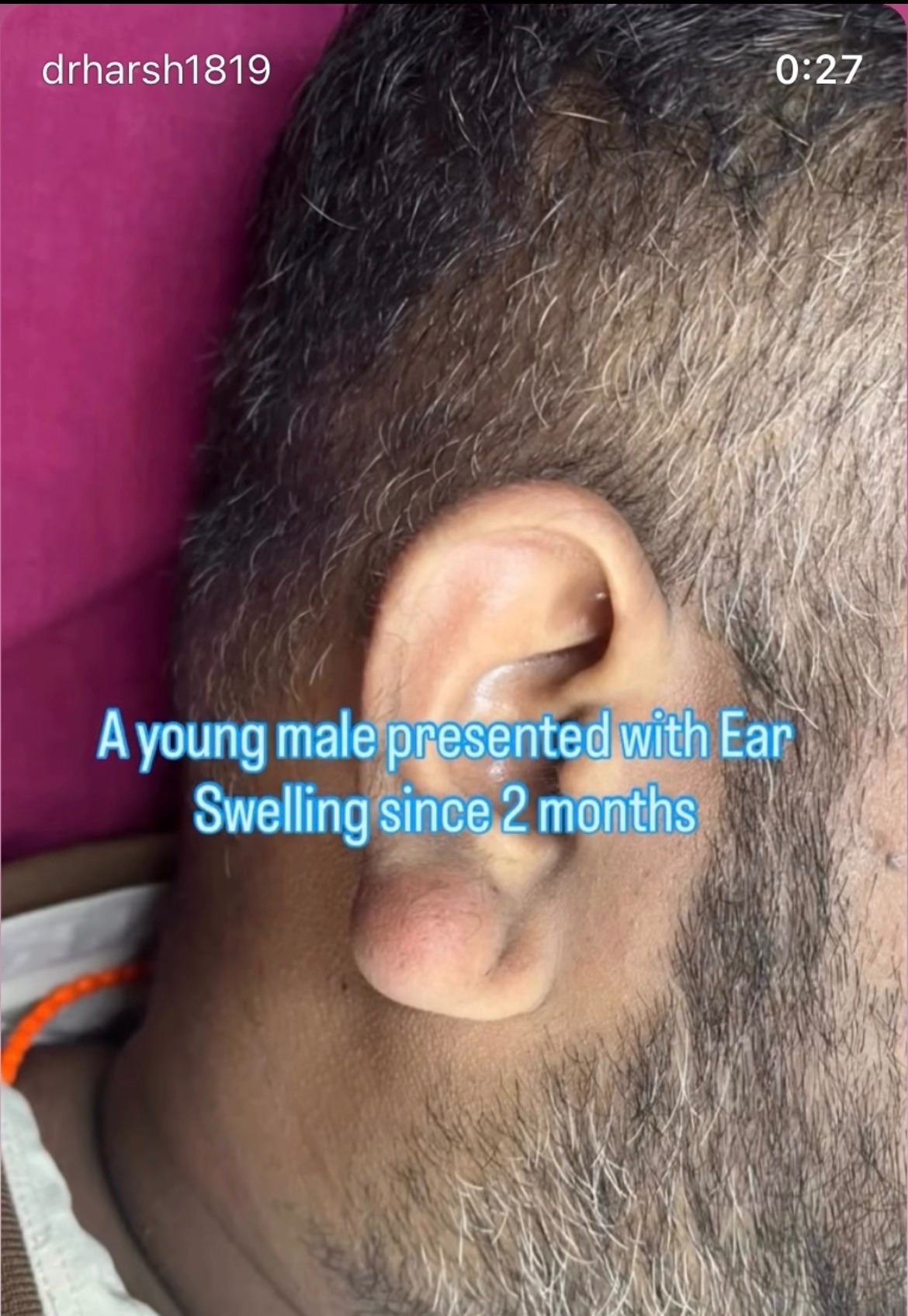
Axillary breasts presenting as lipoma - Cysts: Sac-like pockets of tissue that may contain fluid, air, sebum, or keratin. They are often firm to the touch and can occur anywhere on the body, including the ears.
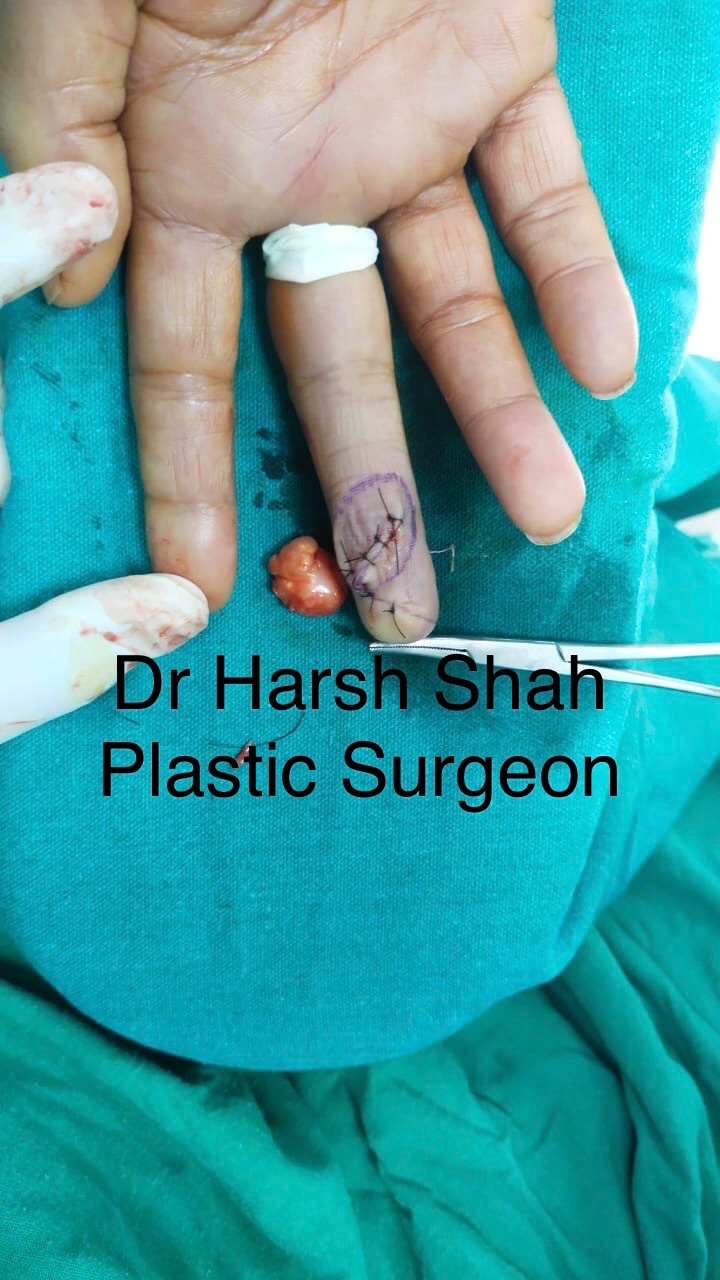
Ear cysts - Giant Cell Tumor (GCT) of the Tendon Sheath: A firm, slow-growing mass that typically occurs near the joints or tendons of the fingers or toes.
GCT (tumor of tendon)
Vascular and Scar-Related Swellings
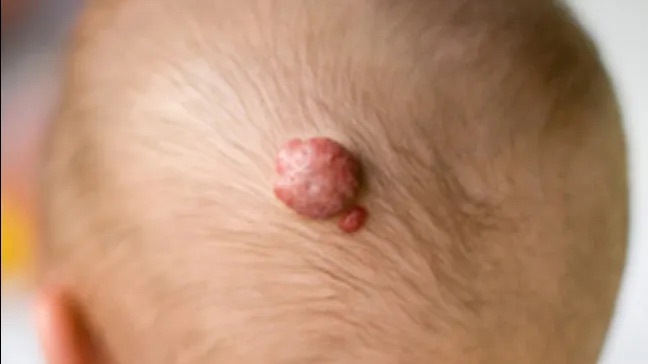
- Hemangioma: A vascular tumor that often appears as a bright red birthmark or nodule. It is caused by an abnormal buildup of blood vessels in the skin.
Hemangioma, a vascular tumor (Internet downloaded) - Arteriovenous (AV) Malformation: An abnormal connection between arteries and veins that can cause swelling, skin changes, and potential blood flow issues.
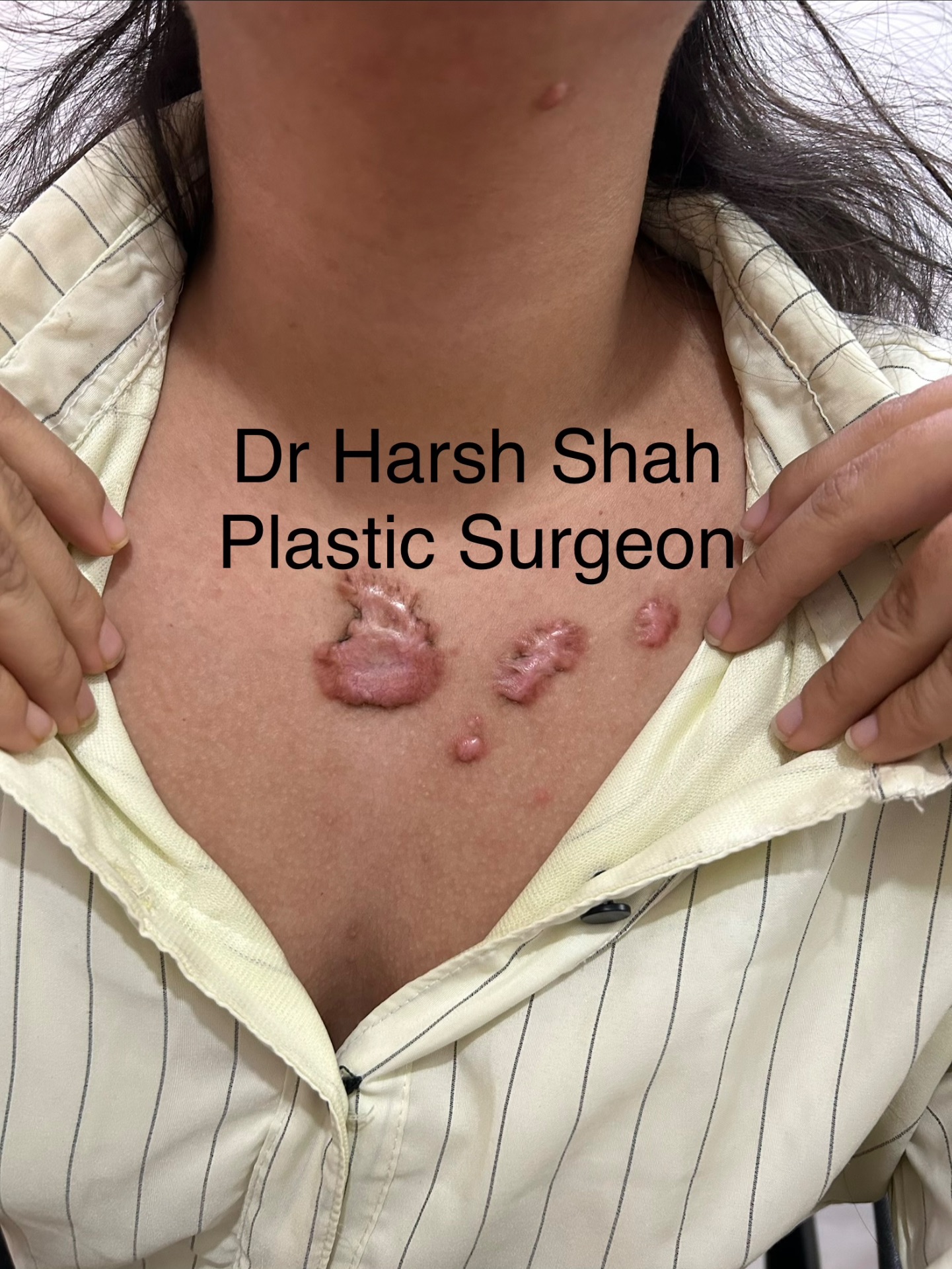
- Keloids: Raised, thick scars that grow significantly larger than the original injury site. They occur due to an overgrowth of scar tissue during the healing process.
Keloids
Skin Cancer
- Malignant Growths: These include Basal Cell Carcinoma, Squamous Cell Carcinoma, and Melanoma. Key features include irregular borders, changing colors, or sores that fail to heal. Early detection is critical for successful treatment.
When to Consider Removal
While many skin swellings are purely cosmetic, removal is often recommended if you experience the following:
- Pain or Discomfort: If the swelling presses on a nerve or interferes with daily movement.
- Rapid Growth: If the bump is increasing in size quickly.
- Aesthetic Concerns: If the growth is in a prominent location and affects your self-confidence.
- Suspicion of Malignancy: If a doctor suspects the growth could be cancerous or precancerous.
- Infection: If a cyst or swelling becomes red, painful, or inflamed.
Available Treatment Options
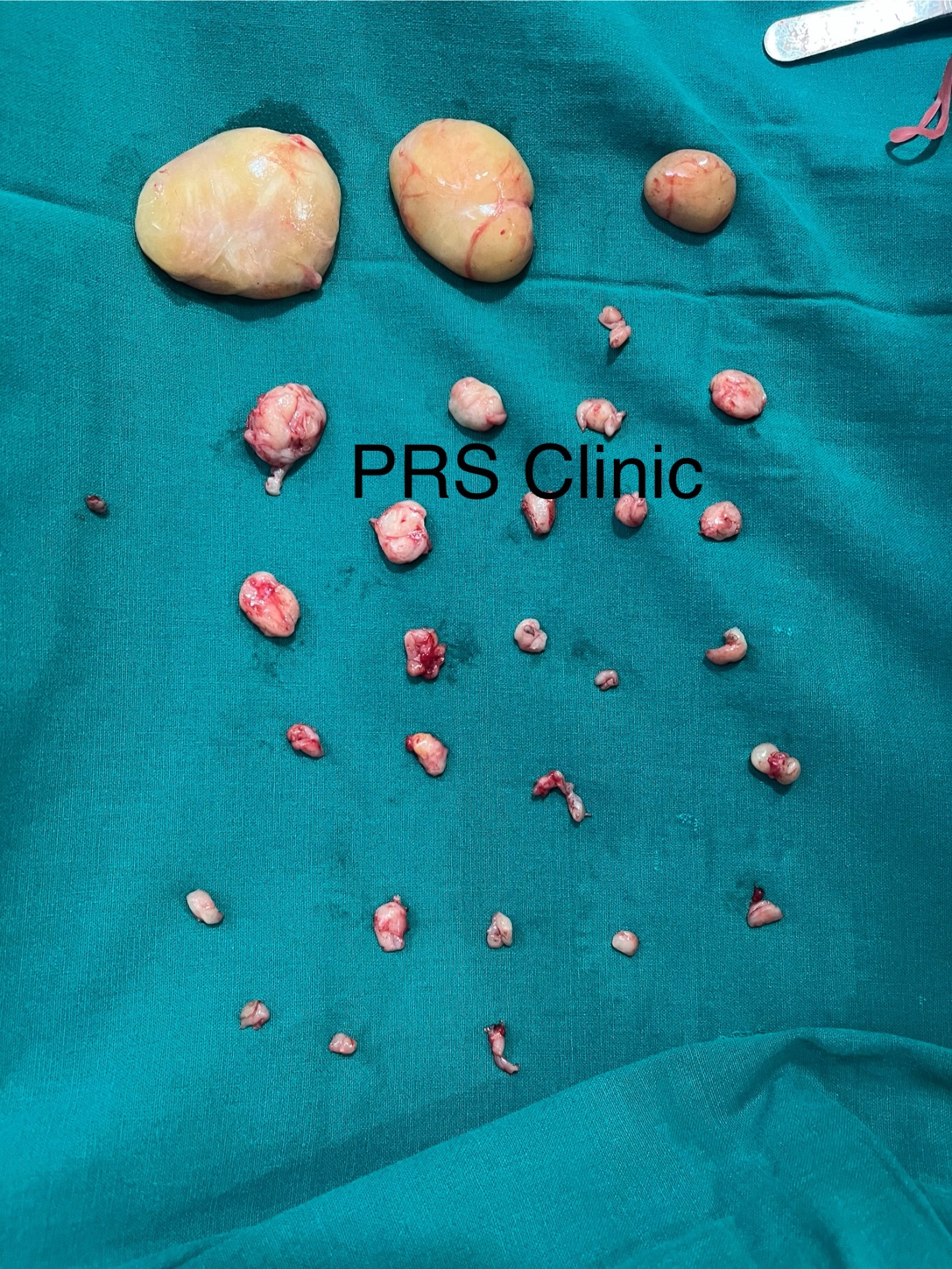
- Surgical Excision: The most common and effective method for removing lipomas, cysts, and various tumors.
- Cryotherapy: Freezing the growth with liquid nitrogen, commonly used for warts.
- Laser Therapy: Used for vascular lesions like hemangiomas or for the cosmetic removal of skin tags.
- Topical Medications: Specialized creams or ointments may be used for certain types of warts or skin conditions.
Article by: Dr Harsh R Shah