For many new mothers, looking in the mirror can be an emotional experience. You may find yourself tracing the changes in your midsection, wondering if the soft, rounded shape you see—often referred to as a "mommy belly," "mommy pooch," or "post-baby pouch"—will ever return to its pre-pregnancy state. It is important to know that these changes are a natural, physiological response to the incredible work your body did to grow a life, but that doesn't make the physical and emotional toll any easier to navigate.
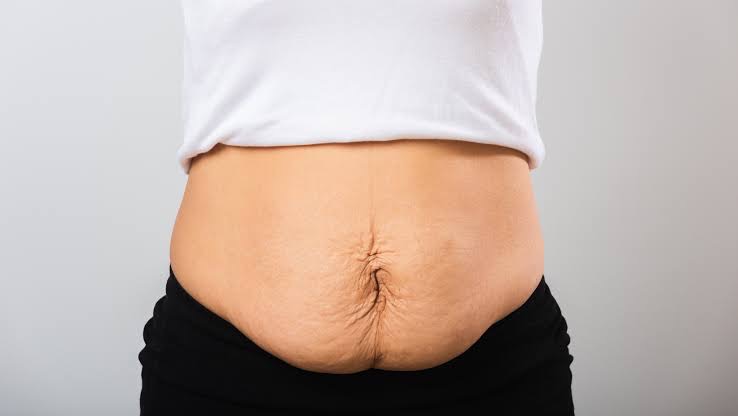
The Physical and Emotional Impact
Pregnancy causes significant shifts in your body, from hormonal fluctuations to the physical stretching of skin and muscles. Beyond the aesthetic changes, many women experience a variety of symptoms that can impact their daily quality of life, including:
- Back pain: Often caused by a weakened core and shifts in posture.
- Skin concerns: Rashes or fungal infections that can develop in skin folds.
- Posture issues: A change in your center of gravity can lead to chronic discomfort.
- Clothing struggles: The frustration of finding clothes that fit comfortably and make you feel confident.
- Emotional strain: A dip in self-esteem as you struggle to reconcile your current reflection with your pre-pregnancy body.
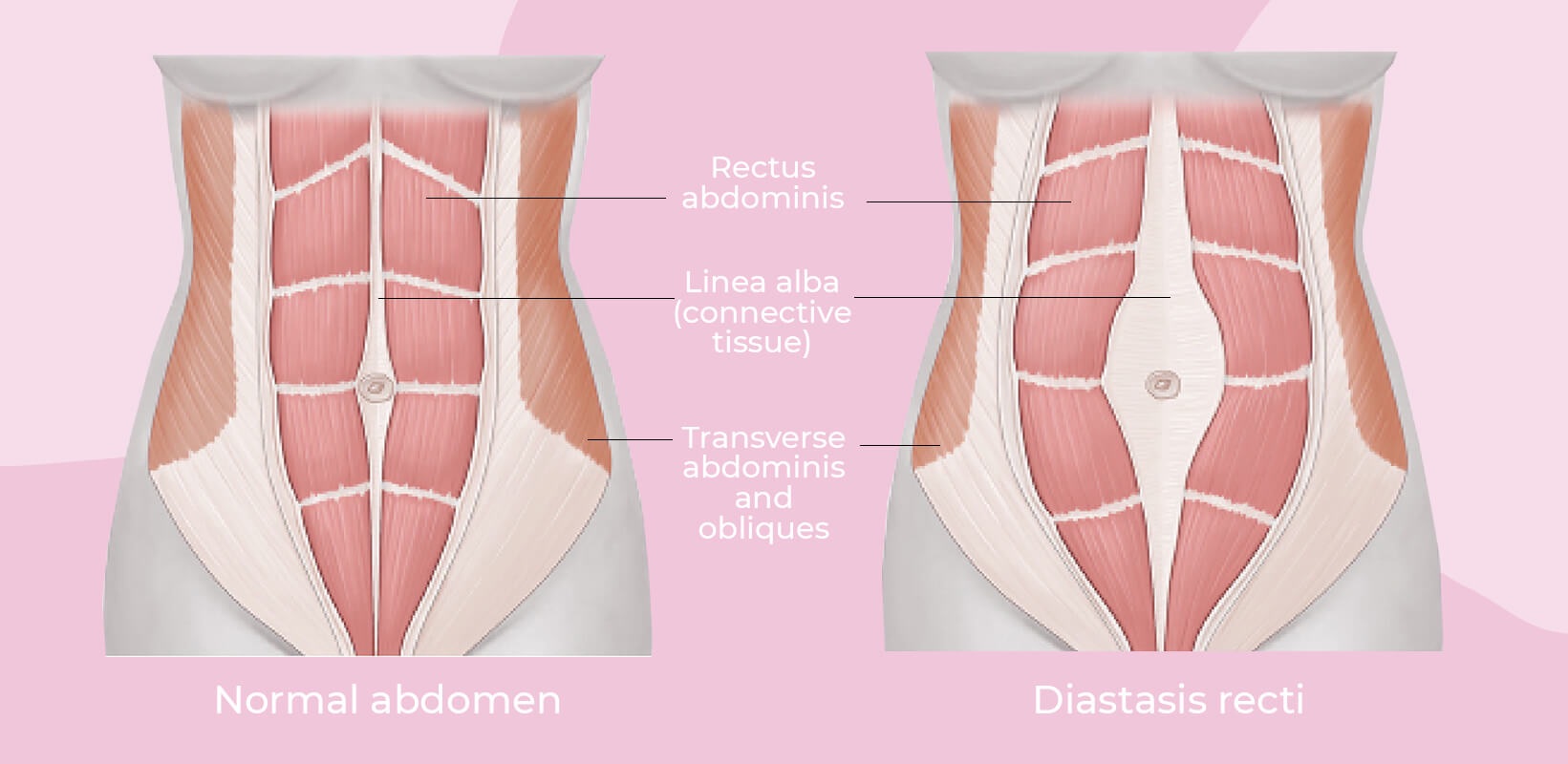
Understanding Diastasis Recti
One of the most common, yet often misunderstood, causes of a persistent mommy belly is Diastasis Recti. During a full-term pregnancy, the two large, parallel bands of muscle that run down the center of your abdomen (the rectus abdominis) are pushed apart to accommodate your growing baby. In many cases, these muscles do not fully snap back together after delivery, leaving a gap that creates a protruding, rounded appearance.
How to Self-Identify Diastasis Recti
You can perform a simple check at home. Lie on your back with your knees bent and feet flat on the floor. Place your fingers just above your belly button and lift your head and shoulders slightly off the ground, as if doing a small crunch. If you feel a gap or a "divot" between your abdominal muscles, you may have Diastasis Recti.
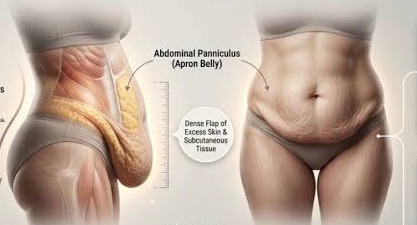
Addressing the Mommy Belly
While social media is filled with "miracle" exercises, it is important to be realistic. While core-strengthening exercises are excellent for overall health, they cannot physically pull together muscles that have been permanently separated. When the connective tissue has been stretched beyond its elastic limit, surgical intervention is often the only way to restore the abdominal wall.
A tummy tuck (abdominoplasty) is a comprehensive procedure designed to address these specific concerns. It typically includes:
Rectal Plication
Surgically stitching the separated abdominal muscles back together to create a firm, flat core.
Liposuction
Removing stubborn fat deposits that often linger post-pregnancy.
Abdominoplasty
Removing excess, loose skin to provide a smooth, toned contour.
If you are ready to learn more about how these procedures can help you regain your confidence and comfort, I am here to help. Please click the link below to send me a message on WhatsApp for a personalized consultation.