
Understanding the Impact of Disproportionately Large Lips
While full lips are a popular aesthetic goal, lips that are disproportionately large or thick can sometimes lead to physical discomfort and emotional distress. Individuals with excessively large lips often face a variety of challenges:
- Cosmetic Concerns: A lack of facial harmony where the lips dominate other features, making the face appear unbalanced.
- Social Challenges: Feeling self-conscious during social interactions or dealing with unwanted attention and teasing.
- Cultural Perceptions: Navigating specific cultural beauty standards that may favor more balanced or subtle facial proportions.
- Functional Issues: In some cases, excessive lip volume can interfere with clear speech, eating, or even cause involuntary drooling.

Who is a Candidate for Lip Reduction?
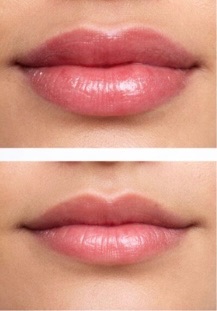
Lip reduction surgery is a specialized procedure designed to remove excess tissue and reshape the lips for a more balanced appearance. Ideal candidates include:
- Healthy Individuals: Those in good overall health with no active oral infections or underlying conditions that might hinder healing.
- The Right Age: It is generally recommended to wait until facial growth is complete, typically around age 18 or older, to ensure the results remain stable.
- Realistic Expectations: Patients looking for a permanent solution to improve their facial symmetry and self-confidence.
Advantages of Lip Reduction Surgery
Choosing to undergo this procedure offers several long-term benefits:
- Restored Facial Harmony: The primary goal is to create a smile that complements the rest of your facial features.
- Permanent Results: Unlike temporary cosmetic fillers, the results of a lip reduction are lasting.
- Enhanced Self-Esteem: Many patients report feeling significantly more confident in their appearance and social life.
- Improved Comfort: Reducing lip volume can alleviate physical heaviness and improve daily functions like speaking and eating.
Potential Risks and Considerations
As with any minor surgical procedure, there are standard risks to be aware of, though they are typically mild and manageable:
- Temporary swelling and bruising in the treated area.
- Minor pain or discomfort during the first few days of recovery.
- Temporary numbness or changes in sensation.
- Small risks of infection or scarring, though incisions are usually hidden inside the mouth.
Post-Surgery Care and Recovery
Proper aftercare is essential for achieving the best results and ensuring a smooth recovery process:
- Manage Swelling: Use cold compresses as directed by your surgeon to reduce inflammation.
- Dietary Changes: Stick to a soft-food diet and avoid spicy or highly acidic foods for the first week to prevent irritation.
- Oral Hygiene: Keep the area clean by following specific rinsing instructions provided by your medical team.
- Rest: Avoid strenuous physical activity for at least a week to allow the incisions to heal properly.
Contact Details: For more information or to schedule a consultation with our specialists, please call us at 1-800-GREAT-LOOKS or email us at consultations@greatlooks.ai.