
Understanding Lipomas: An Overview
Lipomas are the most common type of soft tissue tumor, composed of mature fat cells. These benign (non-cancerous) growths are typically situated between the skin and the underlying muscle layer. While they can appear at any age, they are most frequently diagnosed in adults between 40 and 60 years old, affecting approximately 1% of the general population.
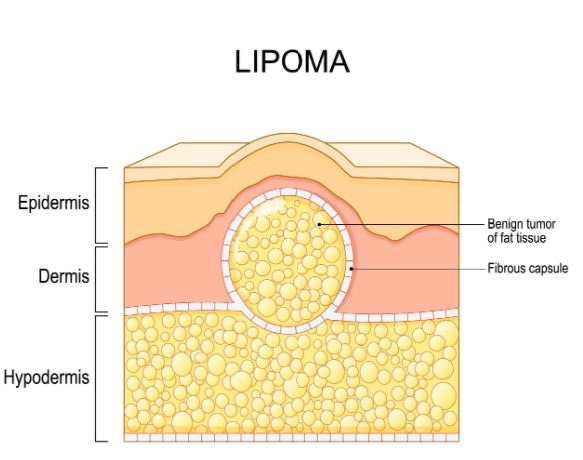
Lipomas can manifest as single swellings or multiple growths across the body. They are most commonly found in areas with significant subcutaneous fat, such as the forearms, back, abdomen, and thighs.
Clinical Features and Diagnosis
Identifying a lipoma is usually straightforward due to its distinct physical characteristics. Key clinical features include:
- Soft, Doughy Texture: They feel soft and compressible to the touch.
- Mobility: They move easily under the skin with slight finger pressure.
- Slow Growth: Lipomas typically grow very slowly over several years.
- Painlessness: Most lipomas do not cause pain unless they grow large enough to compress nearby nerves or contain many blood vessels (angiolipomas).
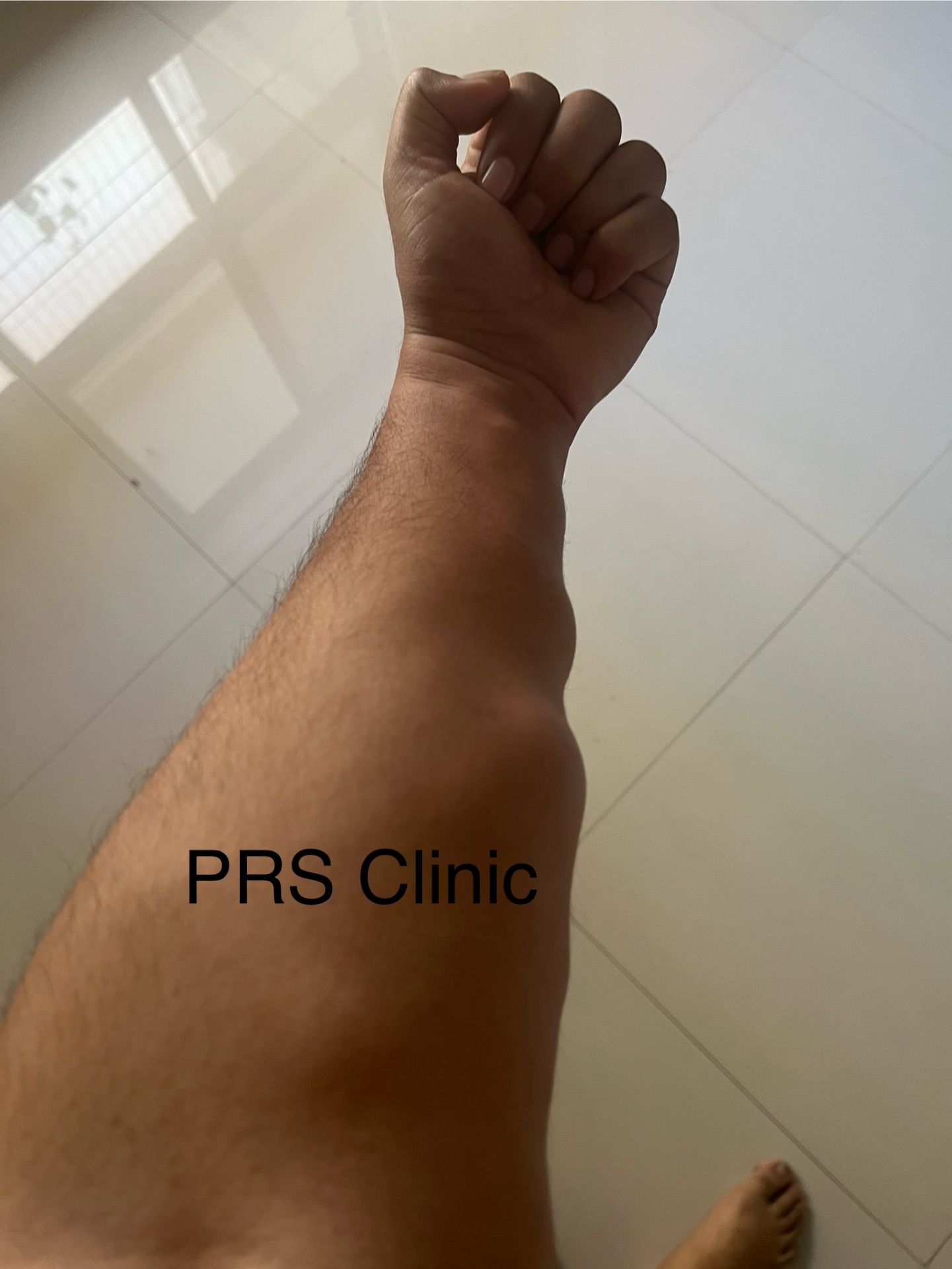
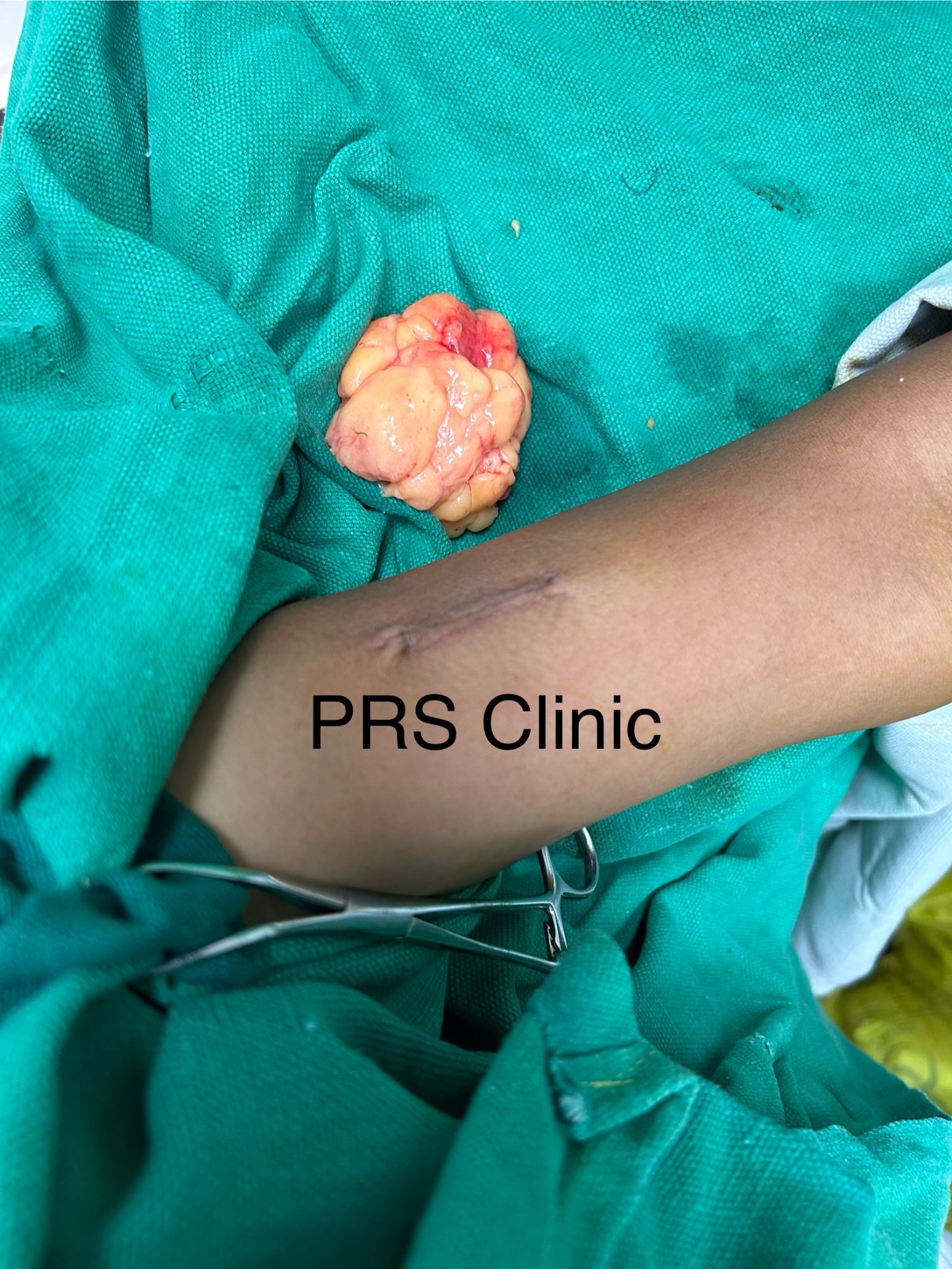
Diagnosis is primarily clinical. A physician will often perform a physical exam to check for the "slip sign," where the tumor slides out from under the finger during palpation. In cases where the diagnosis is uncertain or the mass is unusually deep or firm, an ultrasound or MRI may be recommended to confirm the fatty nature of the swelling.
When Should a Lipoma Be Removed?
In many cases, lipomas are harmless and do not require treatment. However, removal is often indicated under the following circumstances:
- The growth becomes painful or tender.
- The lipoma is growing rapidly in size.
- The swelling interferes with normal movement or function.
- The patient finds the growth cosmetically bothersome or experiences self-consciousness.
- There is diagnostic uncertainty regarding the nature of the mass.
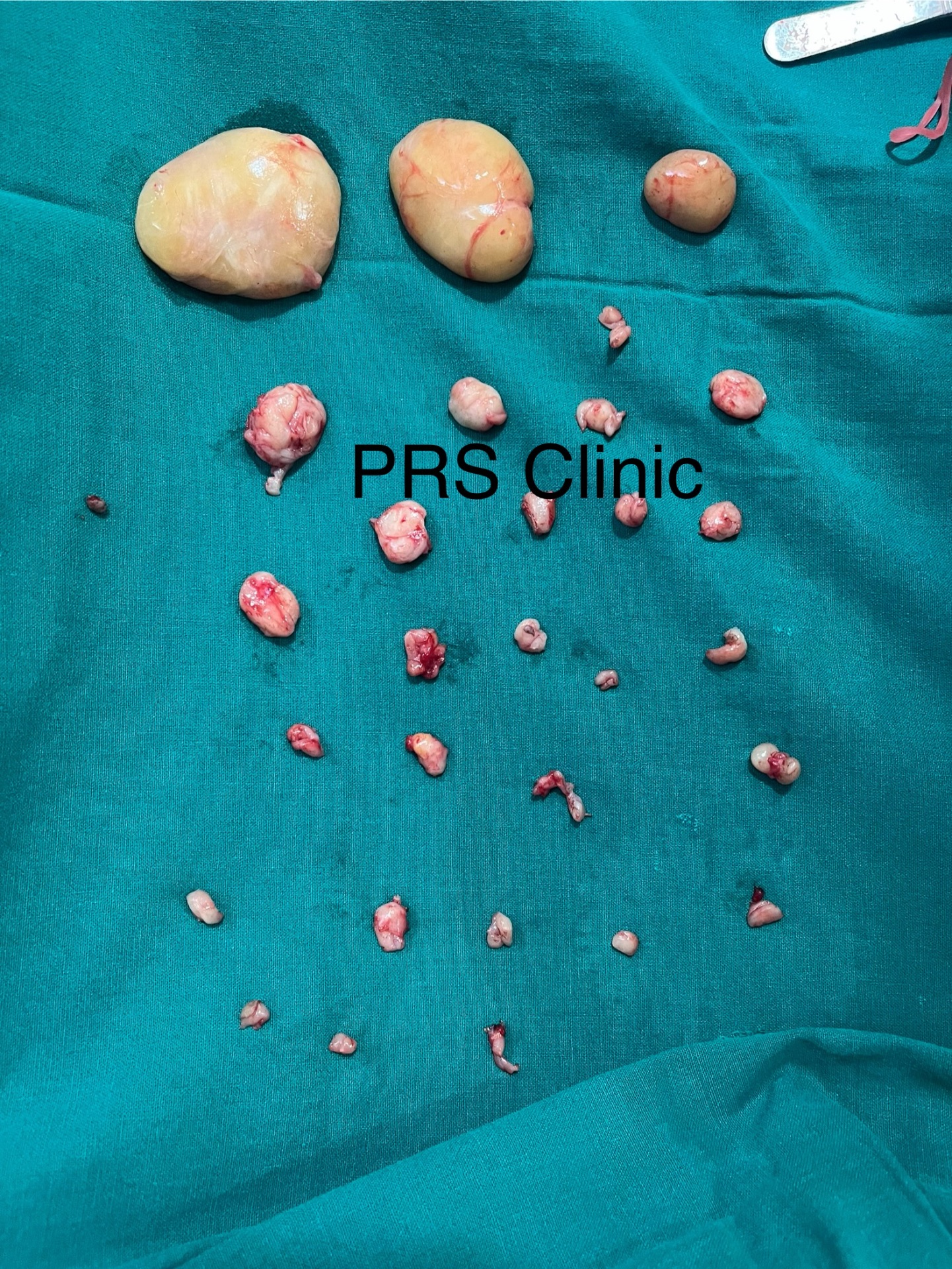
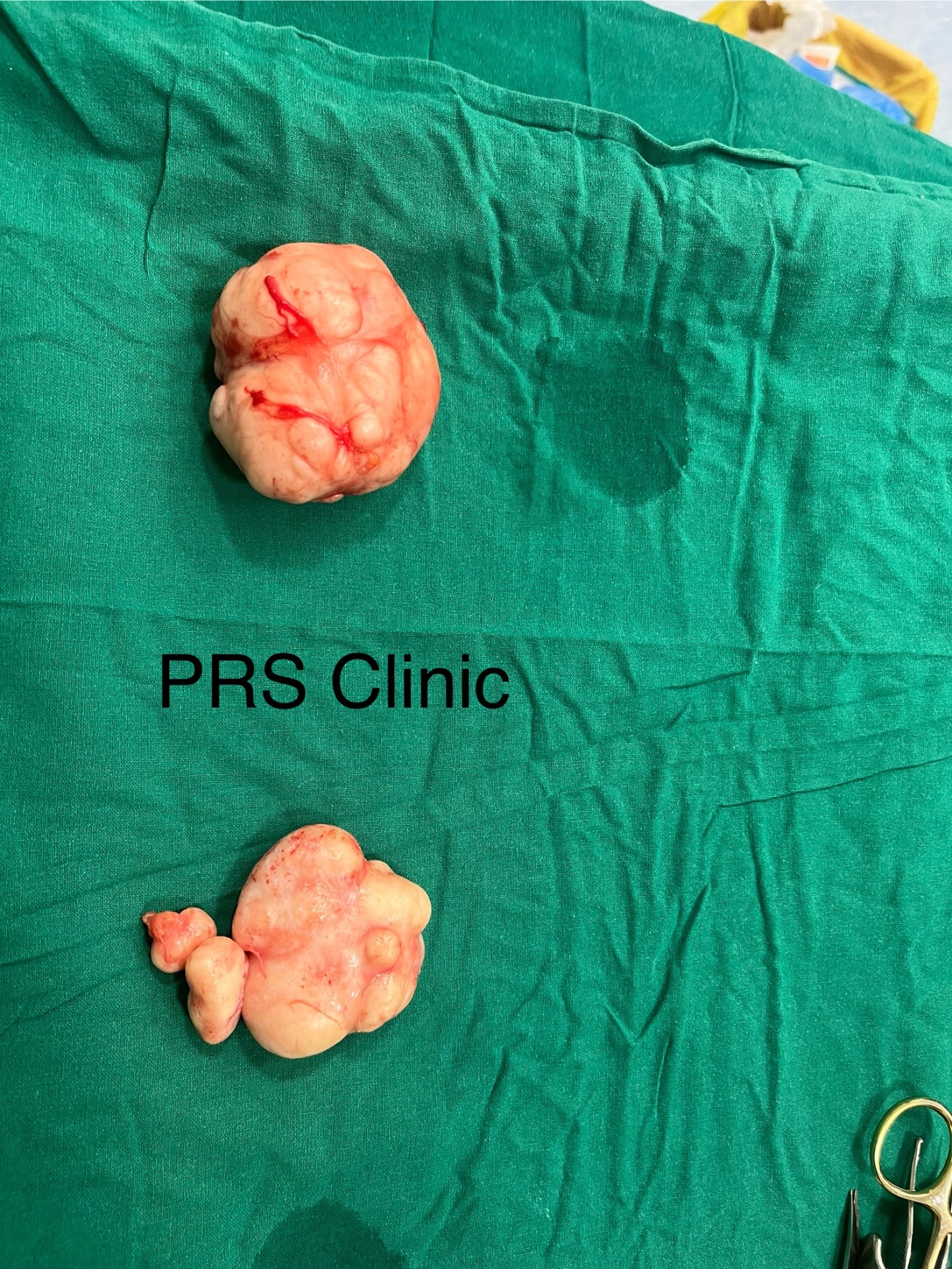
Surgical Techniques for Removal
If removal is decided upon, several surgical options are available depending on the size and location of the lipoma:
- Simple Excision: The most common method involves making a small incision in the skin and popping the lipoma out. This usually results in a complete cure with a low risk of recurrence.
- Minimal Incision Extraction: For smaller lipomas, a tiny incision is made, and the fatty tissue is squeezed out, resulting in minimal scarring.
- Liposuction: This technique uses a needle and a large syringe to remove the fatty lump. It is particularly useful for very large lipomas or when the patient wishes to avoid a long surgical scar.
The Role of Fat Dissolving Injections
Fat-dissolving injections, such as those containing deoxycholic acid, are sometimes discussed as a non-surgical alternative. These injections work by breaking down fat cells, which the body then naturally absorbs. While they are less invasive, they are generally less effective for lipomas than surgical removal. Because the injections may not fully eliminate the fibrous capsule surrounding the lipoma, there is a higher likelihood of the growth returning compared to traditional surgery.
Dr Harsh R Shah
WhatsApp: 9960992228
Instagram: @theprsclinic