

Gynecomastia, the enlargement of breast tissue in males, is a condition that affects a significant number of men in India. It is a common concern that often leads to self-consciousness and a desire for a more masculine chest contour.
During consultations, one of the most frequent questions I hear is: "Doctor, can I claim this surgery under my health insurance? Is a cashless facility available?" It is a valid question, and today, we are going to decode the complexities of insurance coverage for gynecomastia surgery.

Gynecomastia is characterized by the development of firm, glandular tissue beneath the nipple-areola complex. It can be caused by hormonal imbalances, certain medications, or underlying medical conditions. Clinically, it often presents as breast tenderness, swelling, or a noticeable protrusion that can be physically uncomfortable and emotionally distressing.
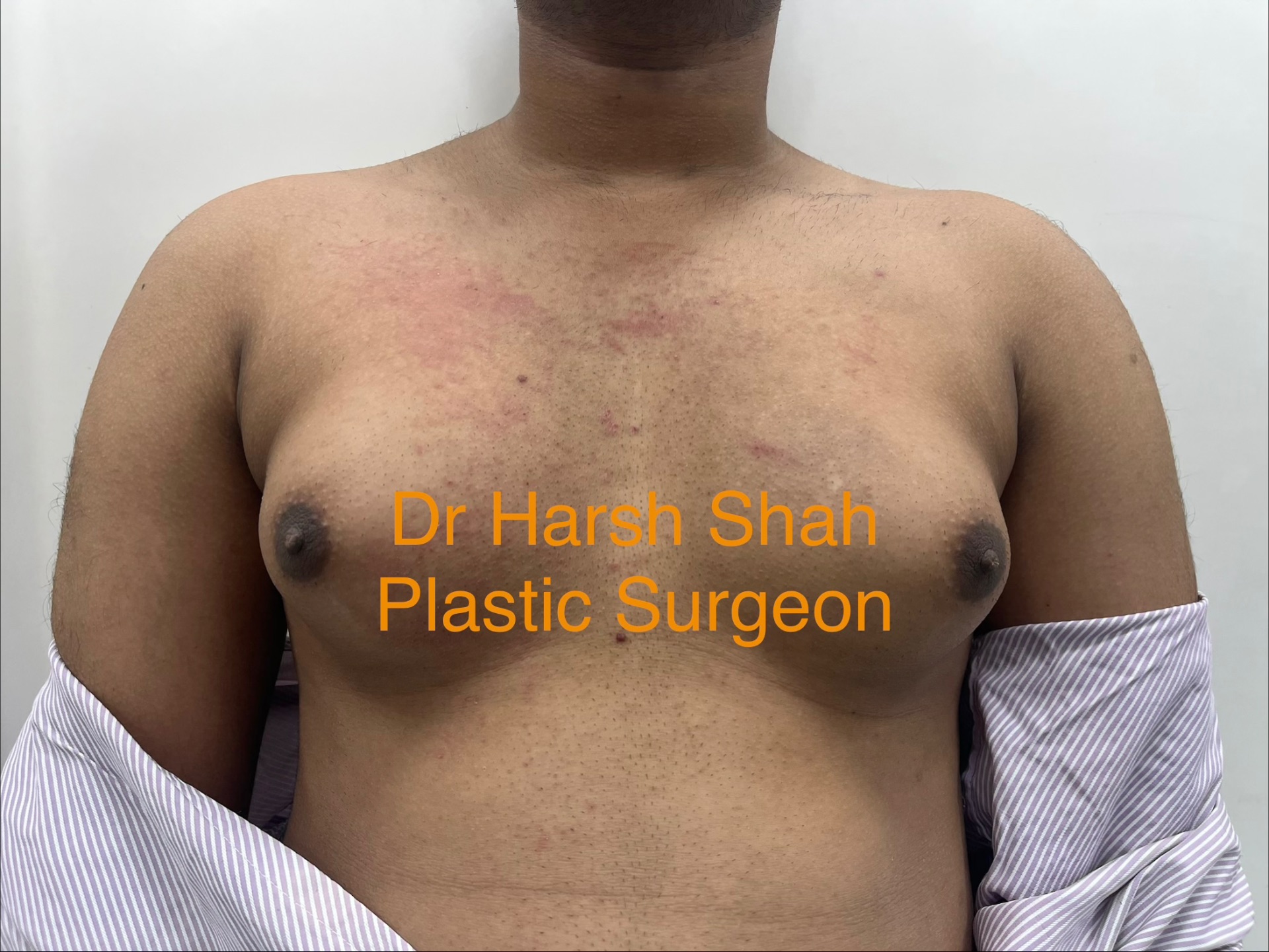
Can Gynecomastia Surgery Be Covered by Insurance?
The short answer is that it depends on the intent of the procedure. Most insurance companies classify gynecomastia surgery as a "cosmetic" procedure because its primary goal is often to improve the aesthetic appearance of the chest. Consequently, many standard insurance policies do not cover it.
However, there are specific scenarios where a partial or complete claim may be possible. If the condition causes severe physical pain, persistent tenderness, or is linked to a documented hormonal or medical imbalance, insurance providers may reconsider. Furthermore, if the condition leads to severe functional impairment or significant psychological distress, it may be viewed through a medical necessity lens. Please note that obtaining coverage requires meticulous documentation and clear communication between your medical team and the insurance provider.
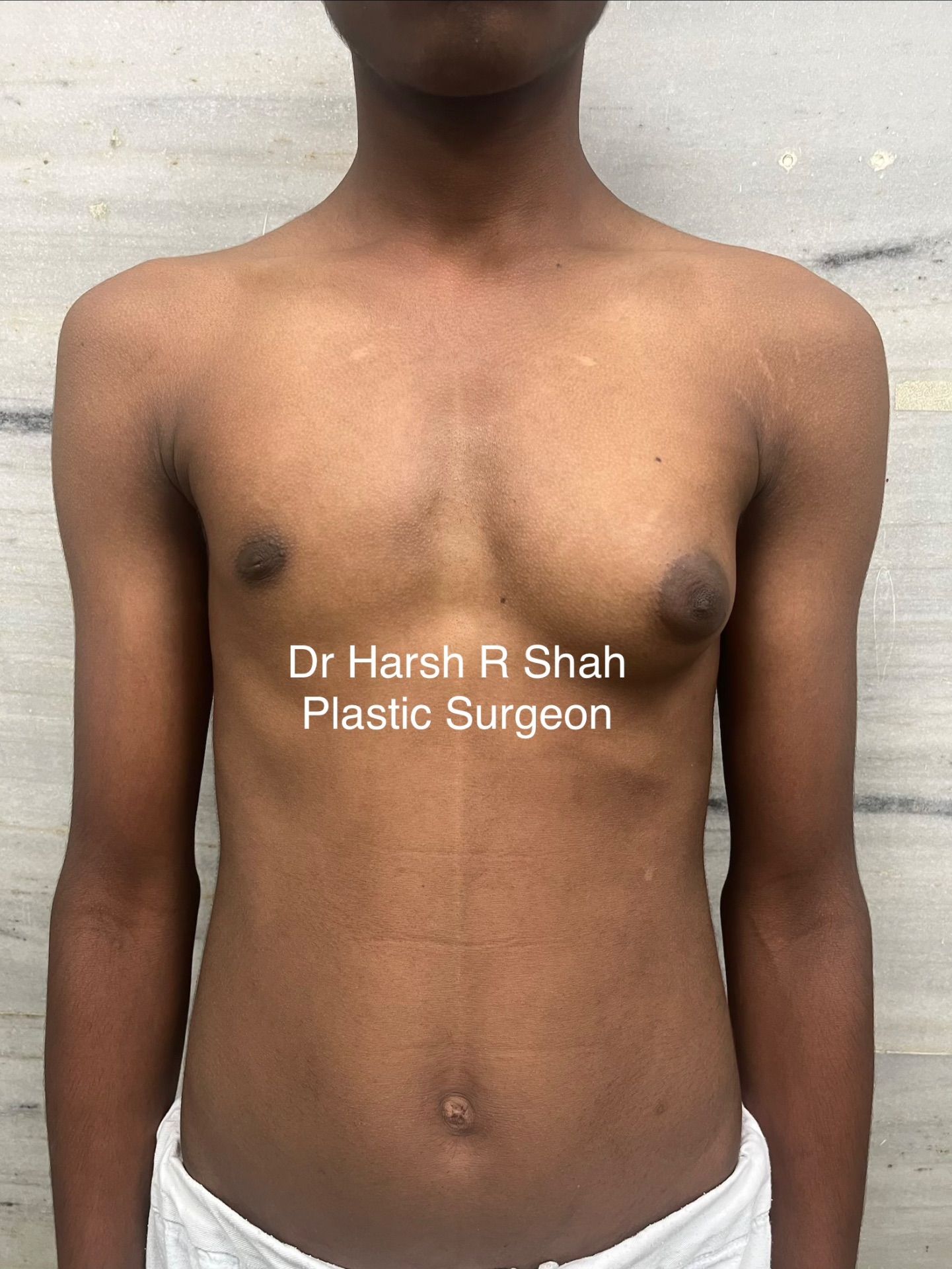
Requirements for Filing a Claim
To increase your chances of a successful claim, you must provide comprehensive medical evidence. This typically includes:
- A formal recommendation letter from your surgeon detailing the medical necessity.
- Detailed consultation notes including clinical examination findings.
- An ultrasound (USG) report of the chest area confirming glandular tissue.
- Hormonal profile blood tests to rule out or document underlying endocrine issues.
- Records of any previous medical treatments or medications used to manage the condition.
- Documentation of genuine pain, tenderness, or functional impairment.
- Clinical photographs, if specifically requested by the insurance company.
Brief procedure: A look inside the safe, modern surgical approach to male breast reduction.
The Surgical Approach
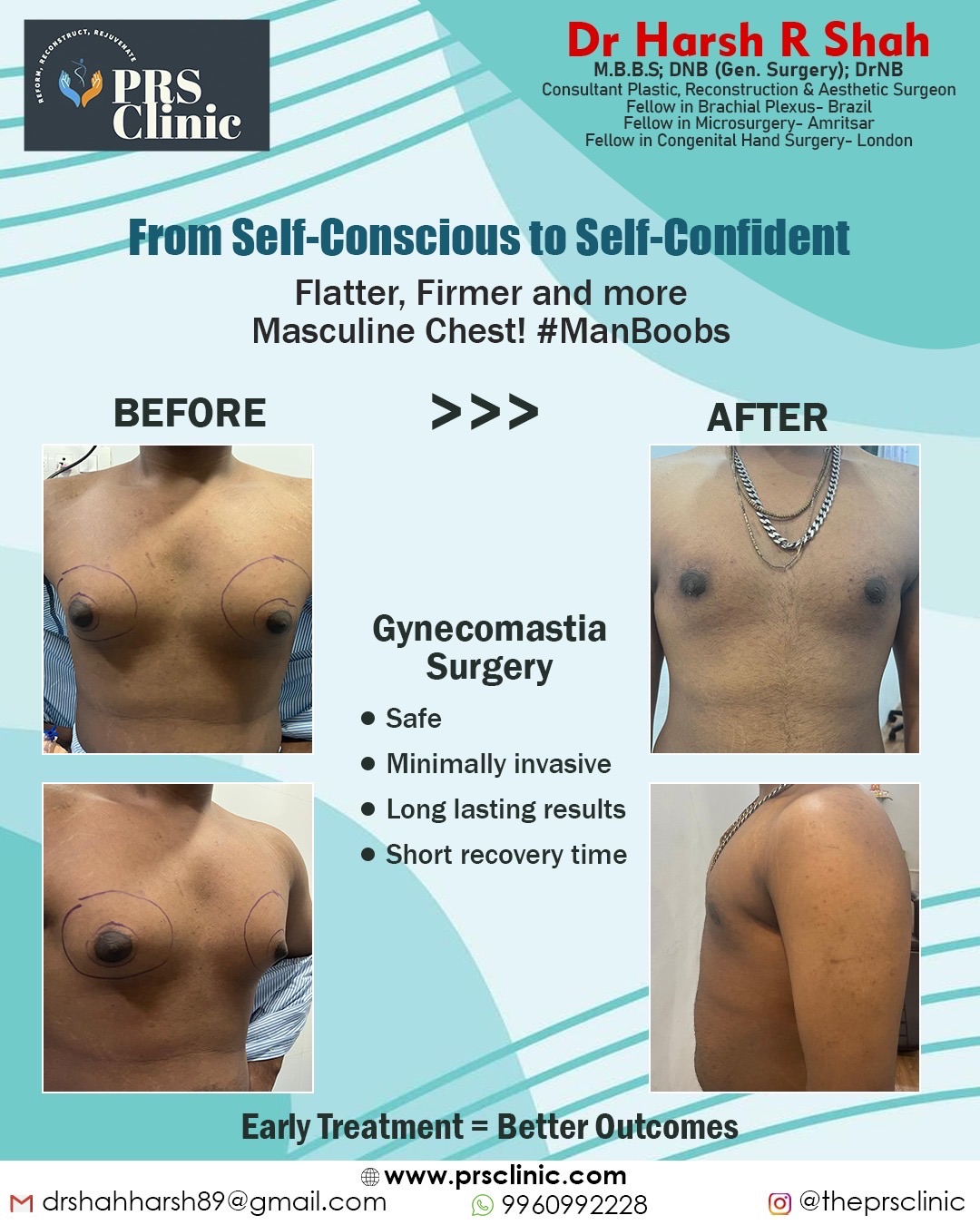
Modern gynecomastia surgery is a highly safe and effective procedure designed to restore a flat, masculine chest contour. The process typically involves a combination of gland excision (removal of the excess tissue) and liposuction to refine the chest shape. The ultimate goal is to achieve a natural, contoured appearance that boosts your confidence and comfort.
Patient safety is our absolute priority. The procedure is performed in a state-of-the-art surgical facility under strict safety protocols, ensuring minimal downtime and a smooth, comfortable recovery journey.
If you have questions about your specific case, insurance eligibility, or would like to discuss your options, I am here to help you navigate this journey safely and confidently.
Dr. Harsh R Shah