
Understanding Enlarged Ear Lobules
Enlarged earlobe holes, or split earlobes, are a common aesthetic concern that many people face. While the condition is often treated as a minor cosmetic issue, the method used to correct it is critical for both the health of the tissue and the final visual result.
Common Causes of Enlarged Ear Lobule Holes
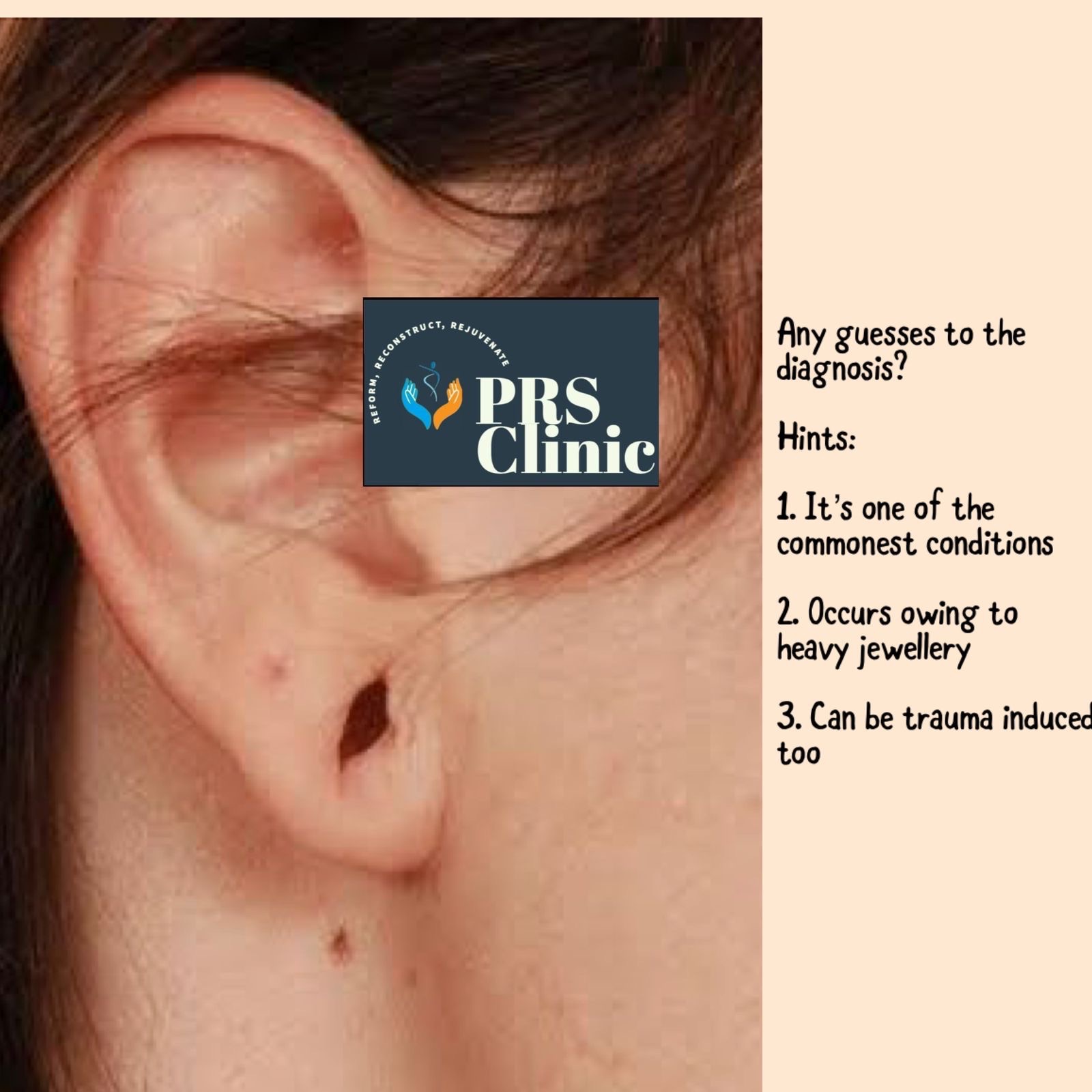
The stretching or tearing of the earlobe can happen gradually or suddenly. The most frequent causes include:
- Heavy Jewelry: The continuous weight of heavy earrings pulls on the tissue, slowly elongating the piercing over time.
- Acute Trauma: An earring getting caught in clothing, hairbrushes, or being pulled by a child can cause an immediate tear.
- Aging: As we age, the loss of collagen and skin elasticity makes the earlobes more susceptible to stretching.
- Improper Piercing Placement: Piercings done too low or too close to the edge of the lobe are more likely to migrate and enlarge.
The Prevalence of Malpractices and Dangerous "Quick Fixes"
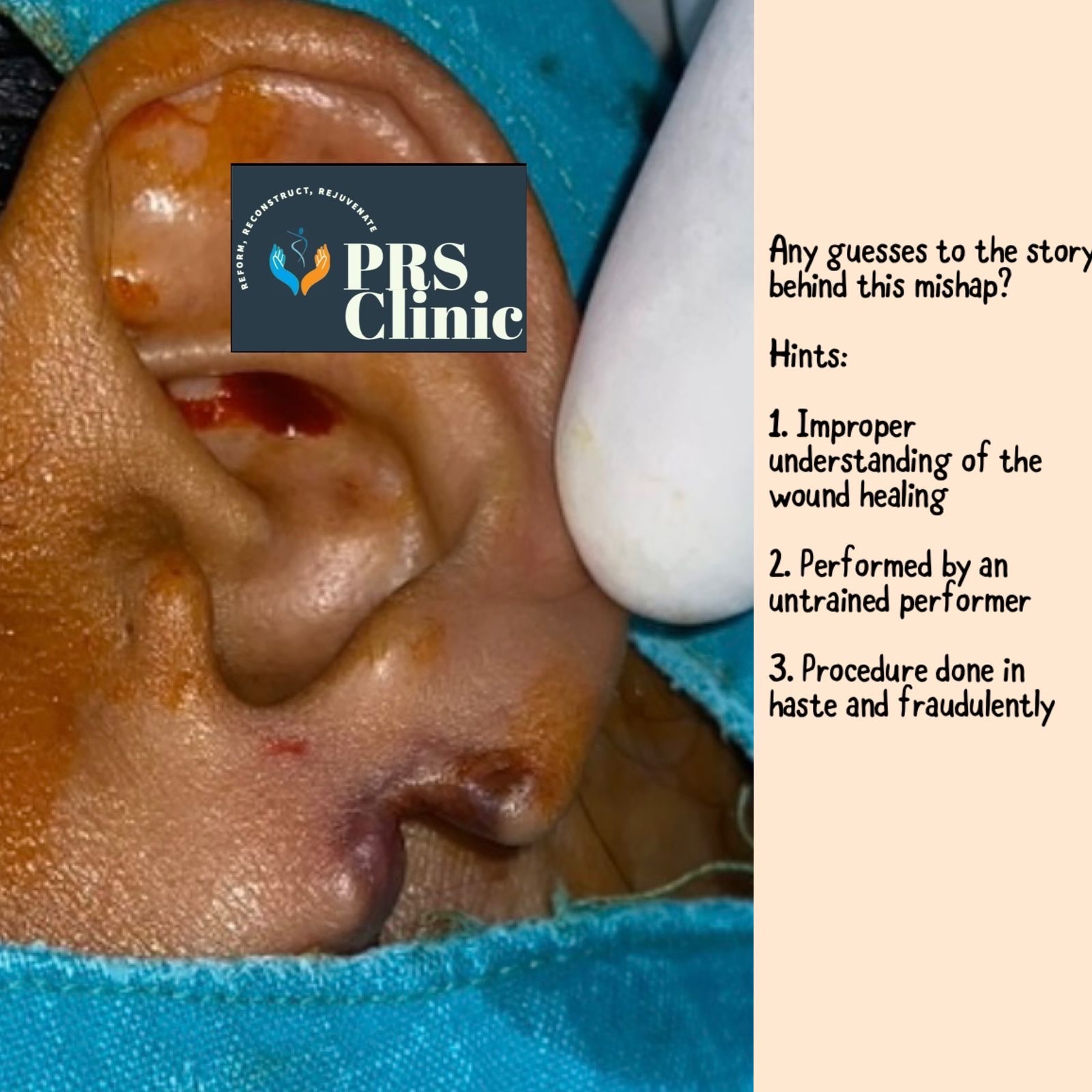
Unfortunately, there is a high prevalence of malpractices in earlobe repair. Many individuals, seeking convenience or lower costs, turn to non-professional settings. It is important to debunk the myths surrounding these "easy" corrections:
- Beauty Salon Procedures: Salons are not equipped for surgical procedures. Attempting to repair an earlobe in a non-sterile environment without surgical expertise often leads to infection and poor scarring.
- The Use of Glue: A common myth is that medical or industrial glue can simply "stick" the hole shut. This is ineffective because it does not remove the skin lining the hole, meaning the tissue will never truly fuse back together.
- Non-Surgical Doctors: Procedures performed by practitioners without specific surgical training often lack the precision required for a natural-looking result.
- Placement of Stitches Only: Simply stitching the edges of a hole together without properly refreshing the wound edges (removing the epithelial lining) is a faulty technique that leads to high recurrence rates.
Modern Trends in Ear Lobe Repair
Professional earlobe surgery has evolved to offer more reliable and aesthetically pleasing outcomes. When choosing a corrective path, it is essential to understand the difference between traditional and modern surgical techniques.
Two-Stage Procedure vs. One-Stage Pardieu’s Technique
Historically, earlobe repair was a two-stage procedure. In the first stage, the hole was surgically closed. The patient then had to wait several months for the scar tissue to mature before returning for a second appointment to have the ear re-pierced. This required two separate healing periods and two clinical visits.
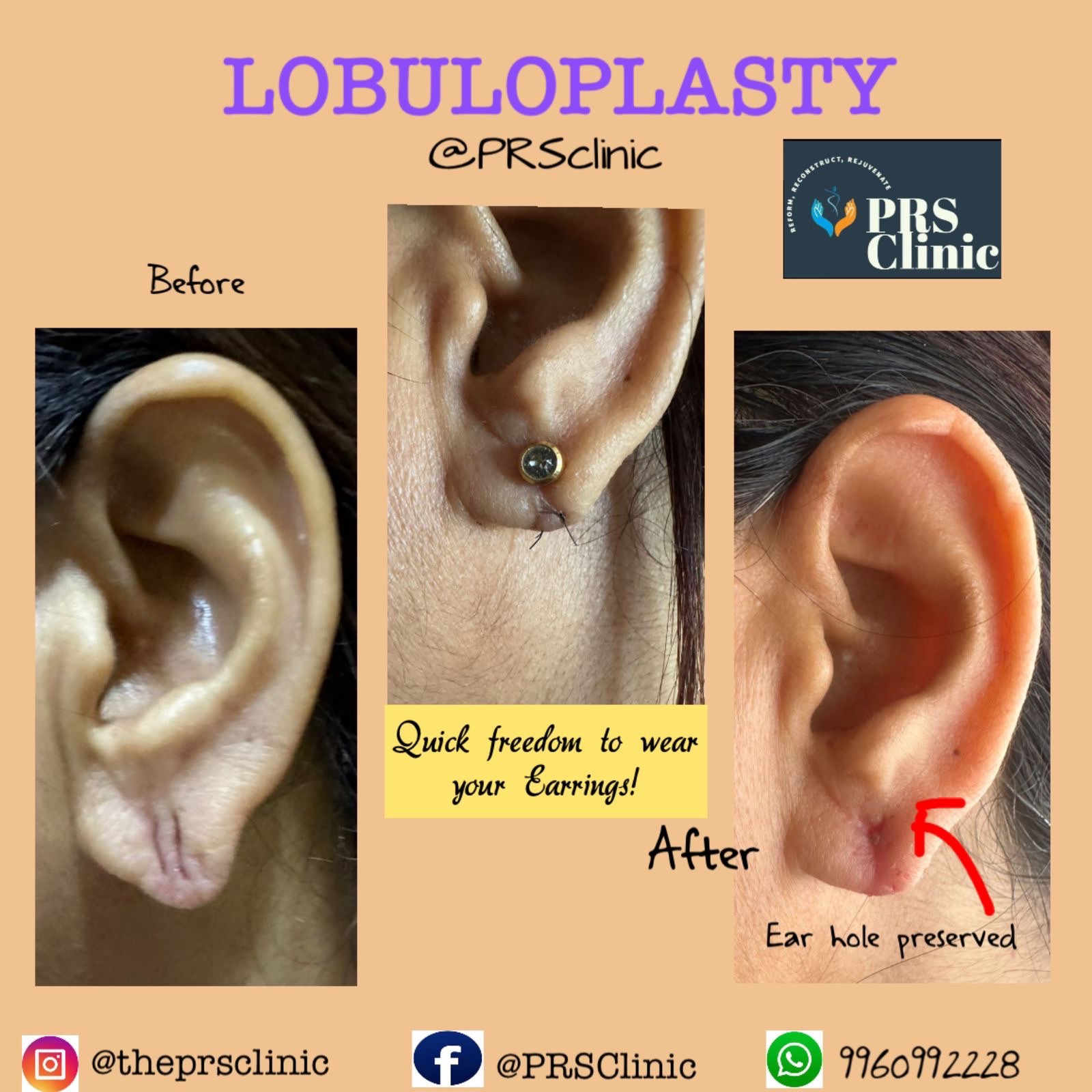
In contrast, the one-stage Pardieu’s technique is a sophisticated modern approach. This method involves the creation of a small local flap during the repair. This allows the surgeon to close the enlarged area while simultaneously creating a new, reinforced hole in the same session. This technique is highly preferred as it provides immediate results and eliminates the need for a second procedure.
Post-Operative Care and Precautions
For patients undergoing the one-stage surgery, following specific post-operative instructions is vital for a successful recovery:
- Keep the Area Dry: Avoid getting the surgical site wet for the first 48 to 72 hours.
- Ointment Application: Apply the prescribed antibiotic ointment regularly to keep the area hydrated and prevent infection.
- Avoid Pressure: Be mindful of how you sleep and avoid wearing headphones that press against the lobes.
- Jewelry Restrictions: Do not wear any earrings for the first few weeks. When you do resume wearing jewelry, start with very light, small studs as advised by your surgeon.
- Sun Protection: Keep the healing scar out of direct sunlight to prevent hyperpigmentation.
Dr Harsh Shah
WhatsApp: 9960992228
Instagram: @theprsclinic