

The Role of the Chin in Facial Harmony
The chin is a fundamental pillar of facial aesthetics. It serves as the anchor for the lower face, defining the jawline and providing a sense of balance to other features, such as the nose and forehead. A well-proportioned chin can significantly enhance a person's profile, creating a look of confidence and vitality. When the chin is recessed or weak, it can make the nose appear larger than it is and cause the neck to lose its distinct definition.
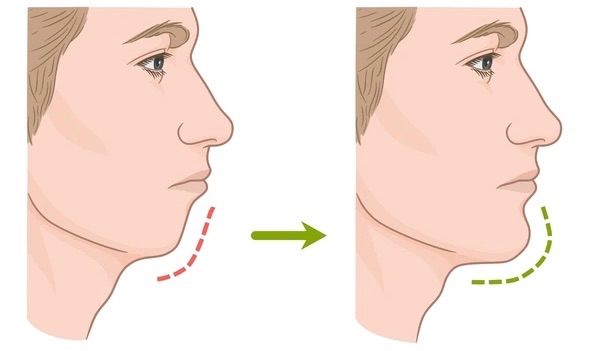
Chin augmentation, also known as mentoplasty, is a popular cosmetic procedure designed to reshape or enhance the size of the chin. By improving the projection of the chin, patients can achieve a more harmonious and balanced facial structure.
Understanding Male and Female Chin Aesthetics
While facial beauty is subjective, there are general anatomical characteristics that define the average adult chin based on gender:
- Male Chin: Typically, the male chin is broader and more square. It often projects further forward to align with the lower lip, contributing to a strong, masculine jawline.
- Female Chin: In contrast, the female chin tends to be more tapered and softer in appearance. It is usually less projected than a male's and often contributes to a delicate heart-shaped or oval facial contour.
Indications for Chin Augmentation
Chin augmentation is not just about vanity; it is about restoring proportion. Common reasons patients seek this procedure include:
- Microgenia: A condition where the chin is abnormally small or recessed.
- Weak Jawline: To create a more defined transition between the face and the neck.
- Facial Asymmetry: To correct imbalances in the lower face.
- Nasal Balance: Often performed alongside rhinoplasty to ensure the profile remains proportional.
Methods of Chin Augmentation
There are two primary surgical approaches to enhancing the chin: the use of implants and sliding genioplasty.
1. Chin Implants (Alloplastic Augmentation)
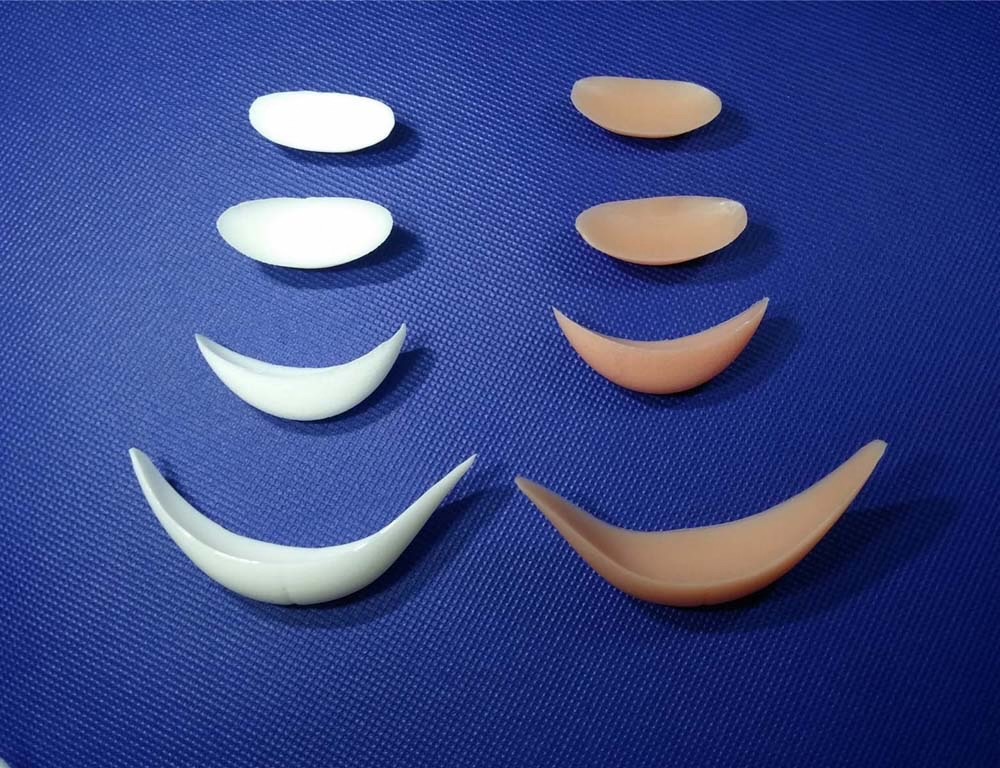
This is the most common method, involving the placement of a synthetic implant over the existing chin bone. These implants come in various shapes and materials, most commonly medical-grade silicone.
2. Sliding Genioplasty
This procedure involves a surgeon cutting the chin bone (mandible) and physically moving it forward or downward. It is then secured in its new position with metal plates and screws. This is often recommended for patients with more complex structural needs.
Incision Placement and Surgical Techniques
Surgeons typically use one of two incision sites to perform the augmentation:
- Intraoral Incision: The incision is made inside the mouth, along the lower gum line.
- Pros: No visible external scarring.
- Cons: Slightly higher risk of infection due to oral bacteria.
- Submental Incision: The incision is made in the natural crease just underneath the chin.
- Pros: Provides the surgeon with better visibility and easier placement; lower risk of infection.
- Cons: Leaves a small, thin scar, though it is usually well-hidden.
Post-Procedure Care and Recovery
Recovery from chin augmentation is generally straightforward, but following post-operative instructions is vital for the best results:
- Dietary Restrictions: Patients are often advised to stick to a soft-food diet for the first few days, especially if an intraoral incision was used.
- Oral Hygiene: If the incision is inside the mouth, frequent rinsing with antiseptic mouthwash is required.
- Activity: Avoid strenuous exercise and any contact sports for at least 4 to 6 weeks to prevent the implant from shifting.
- Support: A compression garment may be worn overnight to minimize swelling and support the new contours.
Most patients can return to work and normal social activities within 7 to 10 days, though minor swelling may persist for several weeks.