
Beyond Aesthetics: The Reality of Living with Heavy Breasts
While breast reduction is often categorized as a cosmetic procedure, for many women, it is a life-changing medical necessity. Carrying excessive breast weight—a condition known medically as macromastia—can lead to a variety of physical, emotional, and social challenges that significantly impact daily quality of life.
The Physical Toll of Heavy Breasts
The most immediate impact of large breasts is the physical strain they place on the musculoskeletal system. The constant weight can pull the torso forward, leading to several chronic issues:
- Chronic Pain: Persistent aching in the neck, upper back, and shoulders as the body compensates for the forward weight.
- Shoulder Grooving: Deep, painful indentations and skin discoloration caused by bra straps struggling to support the heavy weight.
- Skin Irritation: Recurrent rashes, fungal infections, or "intertrigo" in the skin folds underneath the breasts due to heat and moisture.
- Nerve Issues: In some cases, the weight can contribute to numbness or tingling in the hands and arms (paresthesia) due to posture-related nerve compression.
Social and Mental Well-being
The burden of heavy breasts isn't just physical; it often carries a heavy emotional and social weight as well:
- Self-Consciousness: Many women feel defined by their chest size, leading to unwanted attention and a struggle with body image.
- Clothing Limitations: Finding professional or casual attire that fits properly can be a source of constant frustration, often requiring expensive tailoring or oversized clothing that hides the figure.
- Physical Activity Barriers: High-impact sports or even simple exercise can be physically painful or cause embarrassment, often leading to a more sedentary lifestyle and reduced fitness levels.
Understanding the Breast Reduction Procedure
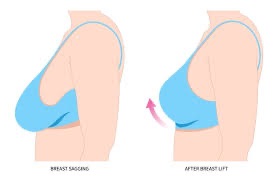
Surgical breast reduction, or reduction mammoplasty, is a procedure designed to remove excess breast fat, glandular tissue, and skin. The goal is to achieve a breast size that is in proportion with your body and to alleviate the physical discomfort. During the surgery, the nipple and areola are typically repositioned to a higher, more natural position to improve the breast's shape and lift.
Your Recovery Journey: Week-by-Week Care
Recovery is a gradual process. Following a structured post-operative plan is essential for ensuring the best healing and long-term results:
Week 1: Rest and Protection
The first week is dedicated to healing. You will wear a specialized surgical support bra 24/7 to minimize swelling. It is normal to experience some bruising and discomfort, which can be managed with prescribed medication. You should avoid any heavy lifting or reaching high above your head.
Week 2: Gentle Transition
Most patients begin to feel a significant improvement in energy. While you must continue wearing the support bra, you may be able to return to light daily activities. Your surgeon will typically review your incisions during this time to ensure healing is on track.
Weeks 3–4: Returning to Routine
By this stage, many patients return to non-strenuous work. Swelling will begin to subside, and the new shape of your breasts will start to settle. While you can move more freely, high-impact activities and heavy lifting are still restricted.
Week 6 and Beyond: Full Activity
Most restrictions are lifted by the six-week mark. You can typically resume your full exercise routine and transition from a surgical bra to a supportive sports bra. The final results will continue to refine and soften over the following months.
Key Benefits of Breast Reduction
- Immediate Pain Relief: Significant reduction in back, neck, and shoulder pain.
- Improved Posture: The body naturally realigns once the heavy weight is removed.
- Enhanced Lifestyle: Greater ease in participating in sports and physical activities.
- Increased Confidence: A more proportionate figure and a wider range of clothing options.
If you are struggling with the physical and emotional weight of large breasts, professional help can provide a permanent solution. Dr. Harsh Shah specializes in plastic and reconstructive surgery to help you regain your comfort and confidence.
Dr. Harsh Shah, Plastic Surgeon
Contact: 9960992228