

What are axillary breasts?
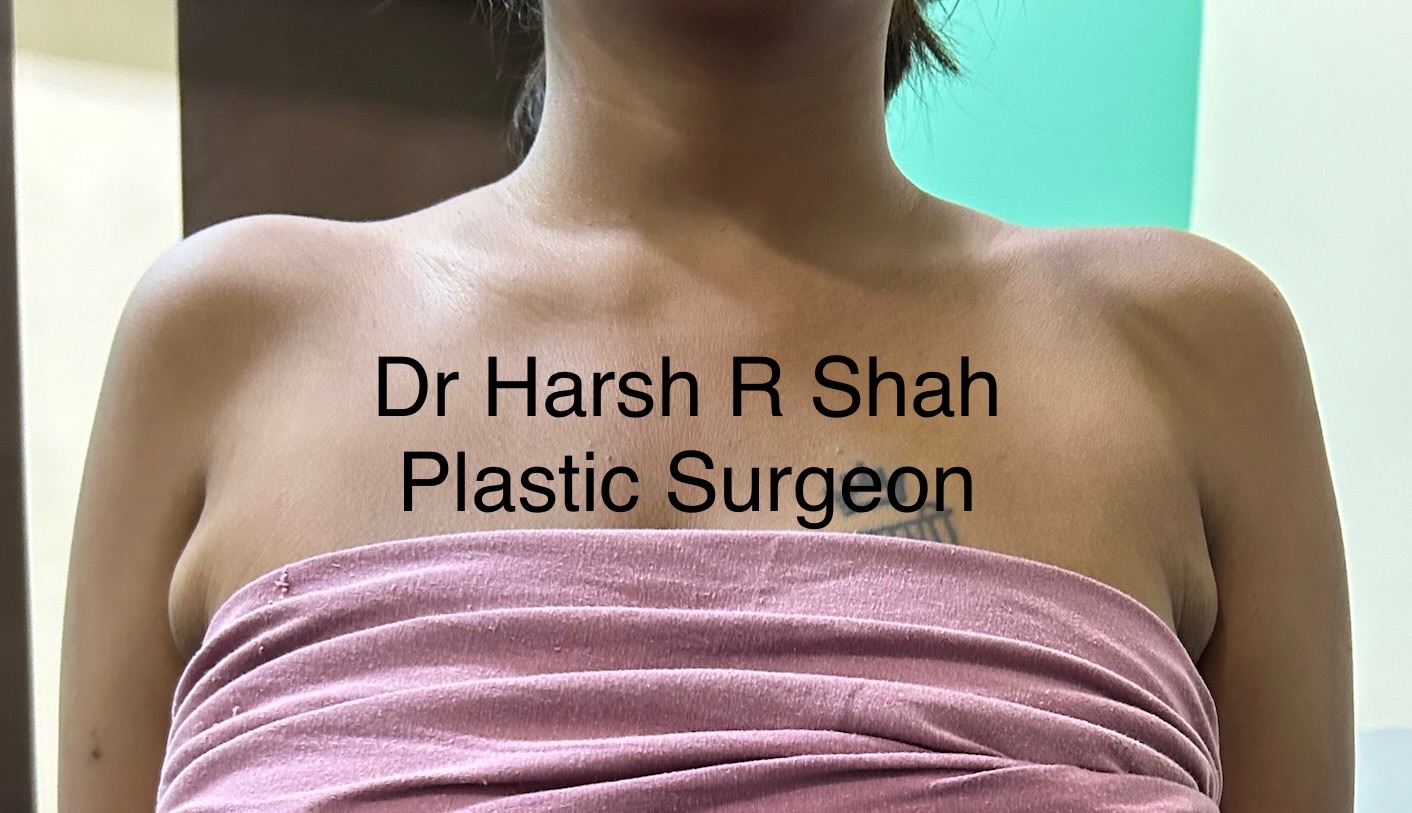
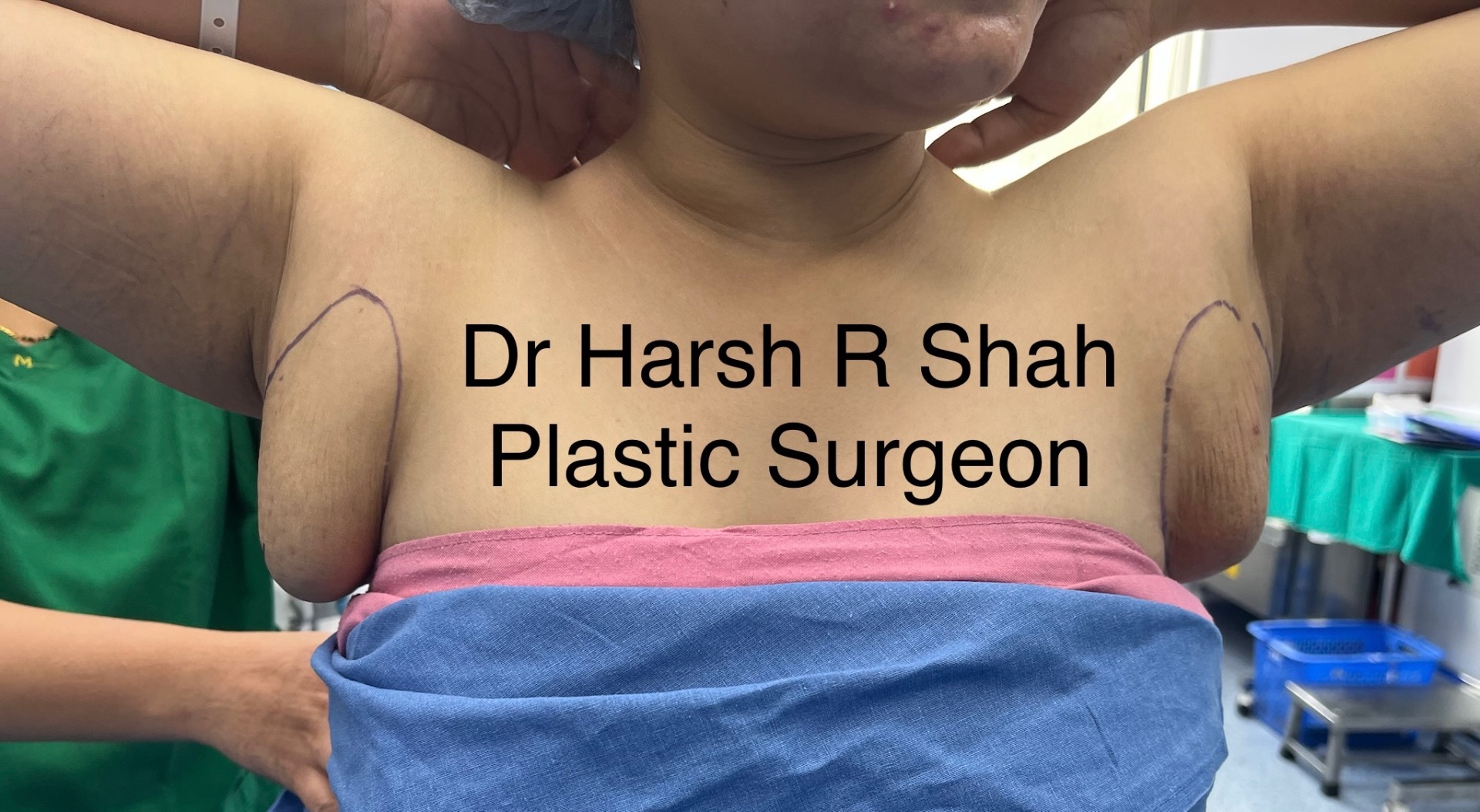
Axillary breasts, also known as accessory breasts or ectopic breast tissue, refer to the presence of breast tissue in the armpit (axilla) area. While it may appear as a simple bulge of fat, it actually contains the same glandular tissue, ducts, and fat as normal breast tissue.
How common is this condition?
This condition is more common than many realize. It is estimated to affect between 2% and 6% of the female population. While it can occur in men, it is significantly more prevalent in women. Often, individuals may mistake the bulge for stubborn underarm fat that doesn't respond to exercise.
Why do axillary breasts develop?
The development of axillary breasts is rooted in embryology. During fetal development, "milk lines" extend from the armpit to the groin. Typically, these lines disappear except in the chest area where the breasts form. If a portion of this tissue persists in the armpit area, it results in an axillary breast.
When do they increase in size?
Because this is functional breast tissue, it responds to hormonal changes in the body. You may notice the bulge becoming more prominent, tender, or swollen during:
- Puberty: When hormonal shifts first trigger breast development.
- Menstrual Cycles: Many women experience monthly swelling or discomfort.
- Pregnancy and Breastfeeding: This is often when the tissue becomes most noticeable, as it can even produce milk or become engorged just like regular breast tissue.
What should I do if I notice a lump in my armpit?
If you notice a new or persistent lump in your armpit, the first step is to consult a specialist, such as a plastic surgeon or a breast surgeon. While axillary breasts are usually benign, it is important to rule out other possibilities such as enlarged lymph nodes, cysts, or lipomas.
How is an axillary breast confirmed?
A clinical examination by a doctor is the first step. To confirm the diagnosis and assess the composition of the tissue (how much is fat versus glandular tissue), an ultrasound or a mammography is typically performed. This helps in planning the most effective treatment approach.
What are the treatment options?
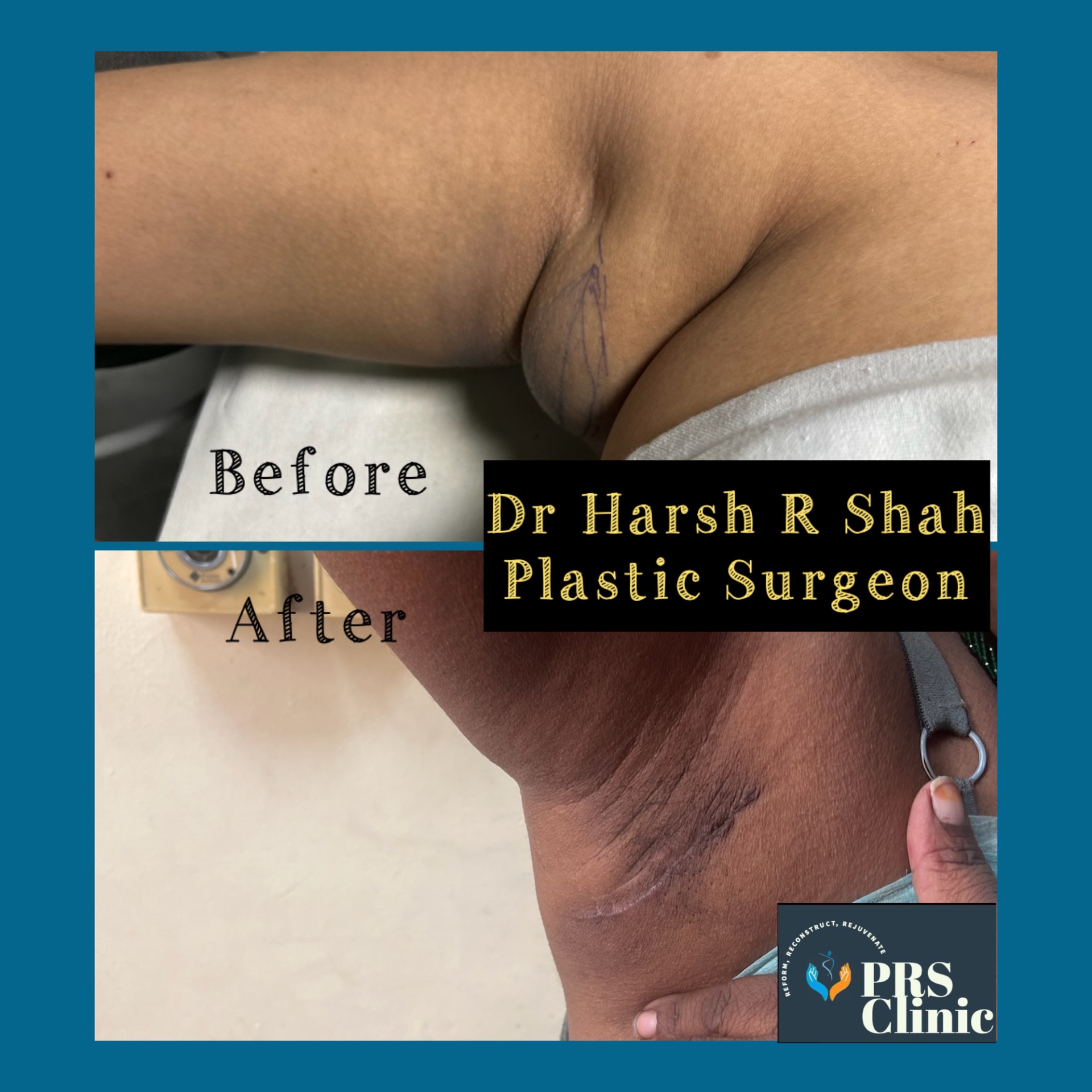
The most effective way to remove axillary breast tissue is through a minor surgical procedure. The approach usually involves a combination of:
- Liposuction: To remove the fatty component and contour the area.
- Surgical Excision: To remove the actual glandular tissue, which cannot be removed by liposuction alone.
The procedure is typically performed under local anesthesia with sedation or general anesthesia, and the incision is usually hidden within the natural folds of the armpit.
Do fat-dissolving injections work?
Generally, fat-dissolving injections are not recommended for axillary breasts. These injections only target fat cells and have no effect on the glandular breast tissue. Using them may result in an uneven appearance or fail to address the primary cause of the bulge, leading to patient dissatisfaction.
What are the potential risks?
As with any surgical procedure, there are some risks involved, though they are rare when performed by an experienced surgeon. These include:
- Scarring (though usually well-hidden).
- Temporary numbness in the inner arm.
- Infection or fluid accumulation (seroma).
- Minor asymmetry.
What is the post-procedure care?
Recovery is usually straightforward. Patients are typically advised to:
- Wear a compression garment or a supportive bra for a few weeks to reduce swelling.
- Avoid heavy lifting or strenuous upper-body exercise for about 2 to 3 weeks.
- Keep the incision site clean and follow the prescribed medication schedule.
Most patients can return to desk work within a few days and enjoy a significantly more contoured underarm appearance once the swelling subsides.
Contact Information:
Dr Harsh R Shah
WhatsApp: +91 9960992228
www.prsclinic.com
Instagram: @theprsclinic