

Achieving a beautiful result after surgery doesn't end when you leave the operating room. Proper post-operative scar care is the critical factor that determines whether a scar remains prominent or becomes flat and blends naturally with your surrounding skin.
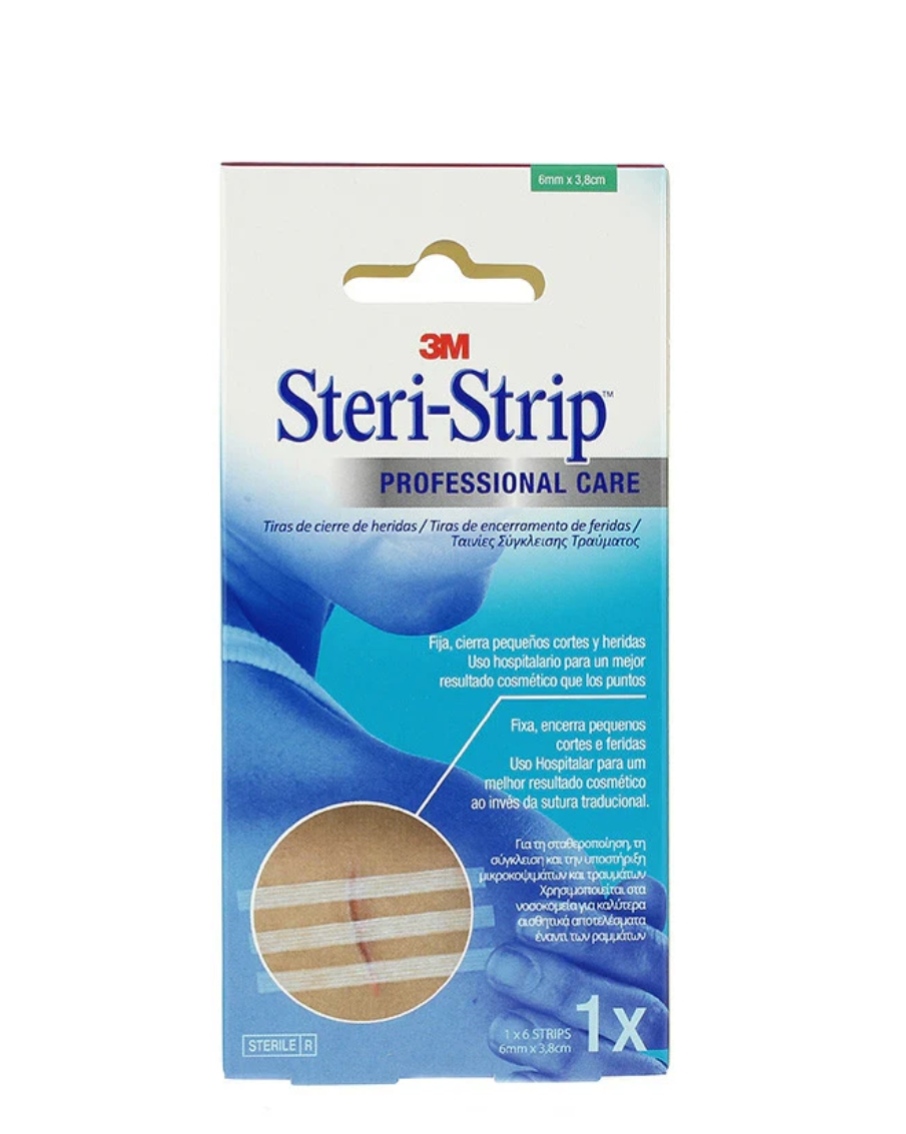
The Role of Taping
Taping is a foundational step in scar management. It provides essential structural support to the healing tissue, helping to minimize tension across the incision line and preventing the scar from widening during the early stages of recovery.
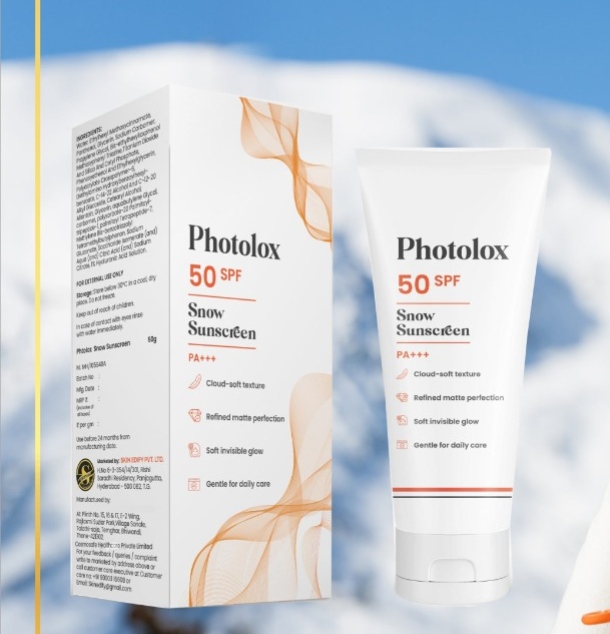
Protecting Your Skin from the Sun
Sun protection is vital, particularly during the summer months when UV rays are strongest. Exposure to the sun can precipitate hyperpigmentation, causing the scar to turn dark or discolored. To prevent this, it is essential to consistently use high-quality sunscreen with an SPF between 30 and 50 on the affected area.
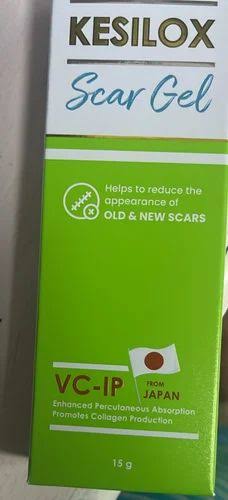
Silicone Gel Treatments
Silicone-based products are widely considered the gold standard in non-invasive scar management. Silicone gel creates a thin, protective barrier that maintains skin hydration while allowing the scar to mature more effectively.
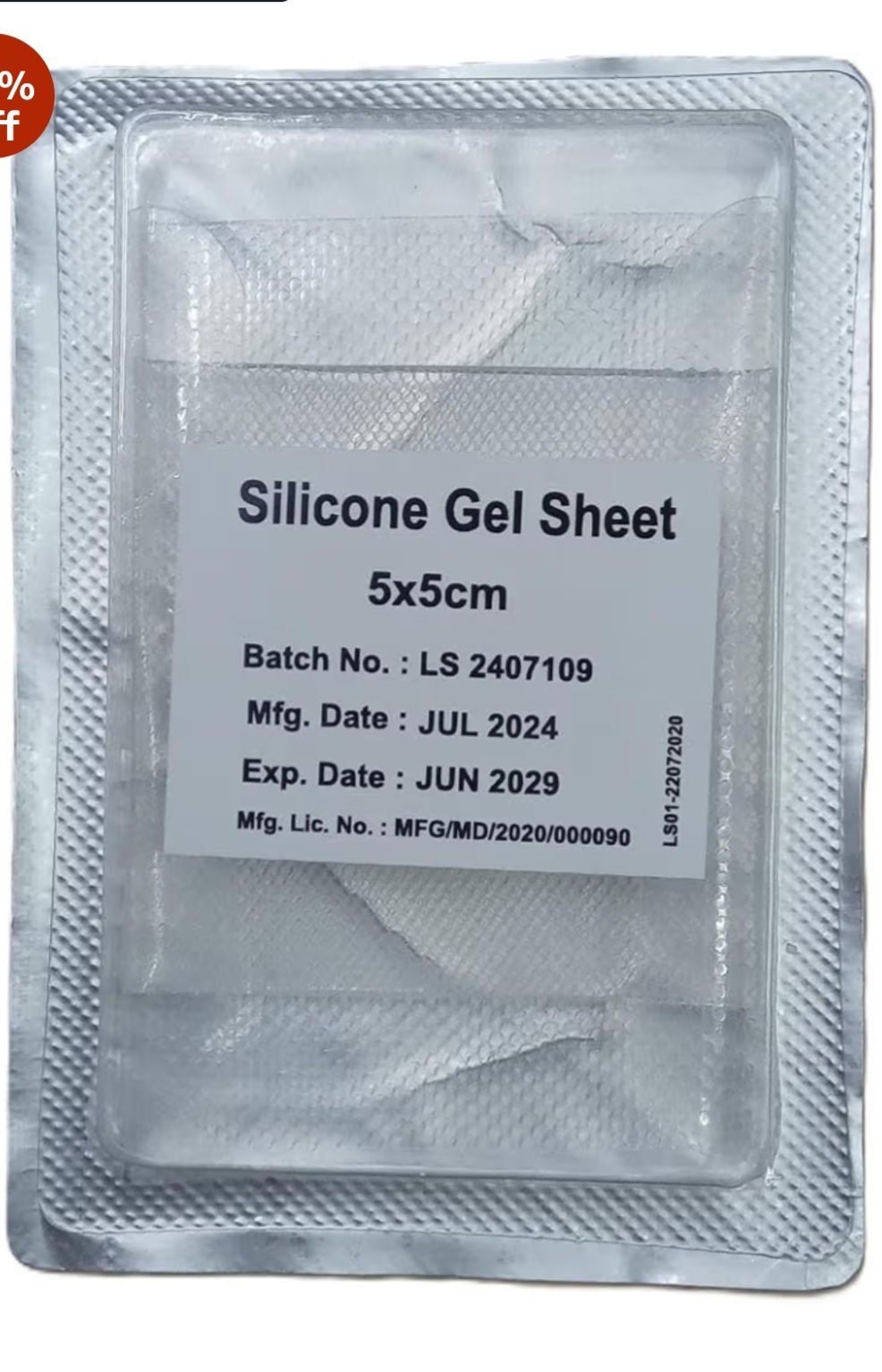
Silicone Gel Sheets
For more intensive care, silicone gel sheets are often recommended. These sheets provide constant contact with the scar tissue. For the best results, both silicone gels and gel sheets typically require gentle compression to help flatten the scar and improve the overall texture.
Special Considerations and Safety
Scar care requires a tailored approach depending on the location of the incision and the specific needs of the patient:
- Facial Scars: Scars on the face require extra attention due to dynamic movements from facial expressions, which can cause the scar to stretch over time.
- Age Restrictions: Silicone gels and sheets are generally not recommended for children under the age of two.
- Allergies and Consultation: Some individuals may experience allergic reactions to silicone products. It is important to always consult your surgeon before starting these treatments to ensure they are right for you.
- Quality Matters: When it comes to your skin, do not compromise. Choosing reputable, high-quality brands ensures that the ingredients are safe and effective for long-term healing.