

Decode the Hype:Mounjaro vs Wegovy
In the modern landscape of bariatric and aesthetic plastic surgery, medical weight management has become a foundational element. For patients considering procedures such as abdominoplasty (tummy tuck) or liposculpture, achieving a stable weight through medical intervention can significantly enhance surgical outcomes and long-term results.
Understanding the Mechanism: GLP-1 and GIP
While both Mounjaro and Wegovy are revolutionary in the field of weight loss and glycemic control, they function through slightly different biological pathways:
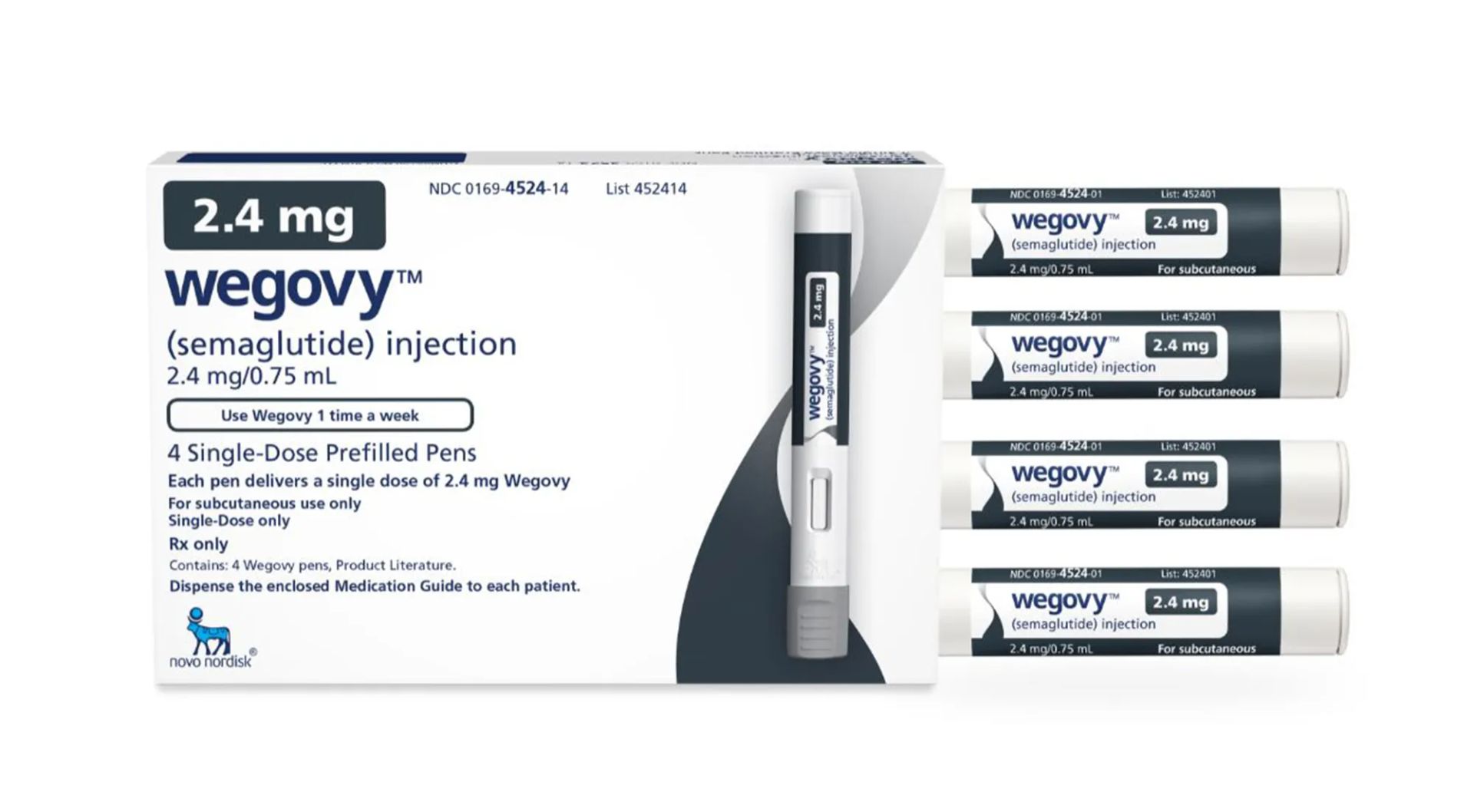
- Wegovy (Semaglutide): This medication is a GLP-1 (glucagon-like peptide-1) receptor agonist. It mimics a hormone that targets areas of the brain that regulate appetite and food intake.
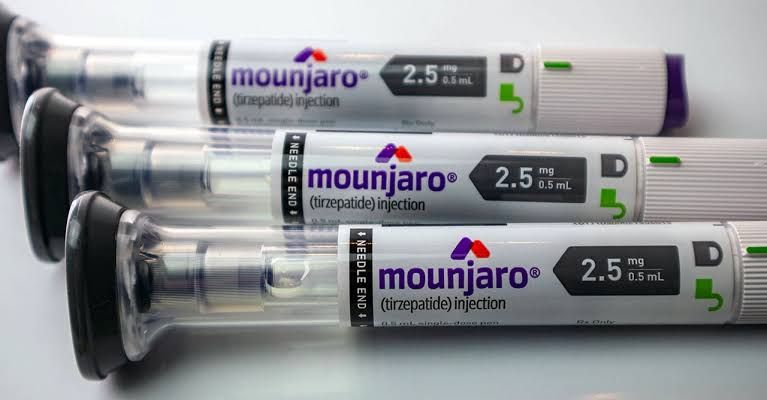
- Mounjaro (Tirzepatide): This is a dual-action medication, acting as both a GLP-1 and a GIP (glucose-dependent insulinotropic polypeptide) receptor agonist. By targeting two hormonal pathways, it often provides a more comprehensive metabolic effect.
Key Differences in Results and Cost
When comparing the two, clinical data suggests differences in efficacy and investment:
- Weight Loss Percentage: Mounjaro typically yields a weight loss of 15% to 22% of total body weight, whereas Wegovy generally results in a loss of 12% to 15%.
- Cost: It is important for patients to note that Mounjaro is currently positioned at a higher price point than Wegovy.
Administration and Potential Side Effects
Both medications are administered similarly via a subcutaneous injection once per week. Because these treatments influence the digestive system, patients may experience similar gastrointestinal side effects, including:
- Nausea and vomiting
- Bloating
- Constipation
- Diarrhea
The Essential Role of the Endocrinologist
It is vital that these medications are not self-administered or managed without expert supervision. The specific indications for use, the duration of the administration, and the necessary preliminary medical workup must be handled by a board-certified endocrinologist. A specialist ensures that the treatment is tailored to your unique health profile, ensuring both safety and the best possible aesthetic and health outcomes.