

Management of Complex Facial Trauma
Understanding Facial Trauma Management
Traumatic facial injuries represent some of the most frequent challenges encountered by plastic surgeons in daily practice. Because the face is the primary focus of human interaction, even minor injuries can have significant psychological and aesthetic impacts. Successful repair requires a deep understanding of both anatomy and the principles of aesthetic harmony.
The Importance of Facial Subunits
The human face is divided into distinct aesthetic subunits, including the forehead, eyes, nose, cheeks, lips, and chin. Each subunit has unique skin thickness, texture, and contour. When a surgeon repairs an injury, they must respect these boundaries to ensure that scars are hidden within natural skin folds and that the overall symmetry of the face is preserved.
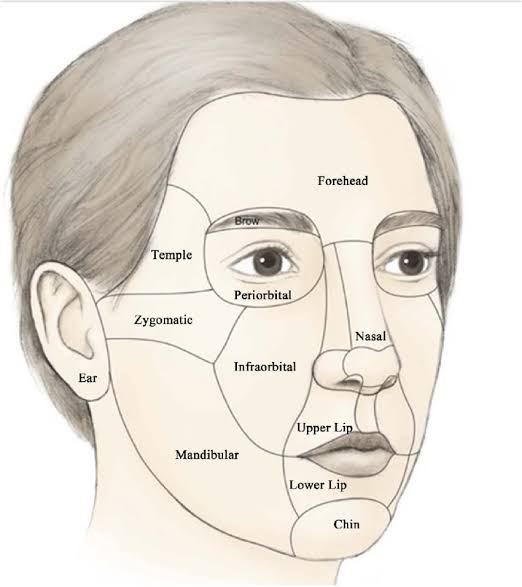
By viewing the face through the lens of these subunits, plastic surgeons can approach complex trauma with a strategy that prioritizes a natural-looking outcome.
Challenges in Complex Facial Repair
Repairing facial injuries is a dual challenge: it is both an anatomical puzzle and a cosmetic endeavor. While initial emergency care often focuses on basic wound closure, the long-term aesthetic result depends on specialized techniques. We frequently encounter cases where initial treatments—often performed in high-pressure emergency settings—result in unsatisfactory outcomes, such as visible scarring or distorted features.
Case Studies: Achieving Precision in Revision
The following cases highlight the importance of specialized plastic surgery intervention. Both patients were initially treated at outside facilities by general surgeons but required secondary procedures to address functional and aesthetic concerns. Our approach to these complex injuries involves three critical pillars:
- Meticulous Debridement: Carefully removing damaged tissue to ensure a clean environment for healing.
- Tissue Approximation under Magnification: Using surgical loupes or microscopes to align skin edges with extreme precision, minimizing scar visibility.
- Comprehensive Post-Operative Care: Monitoring the healing process closely to manage scar maturation and prevent complications.
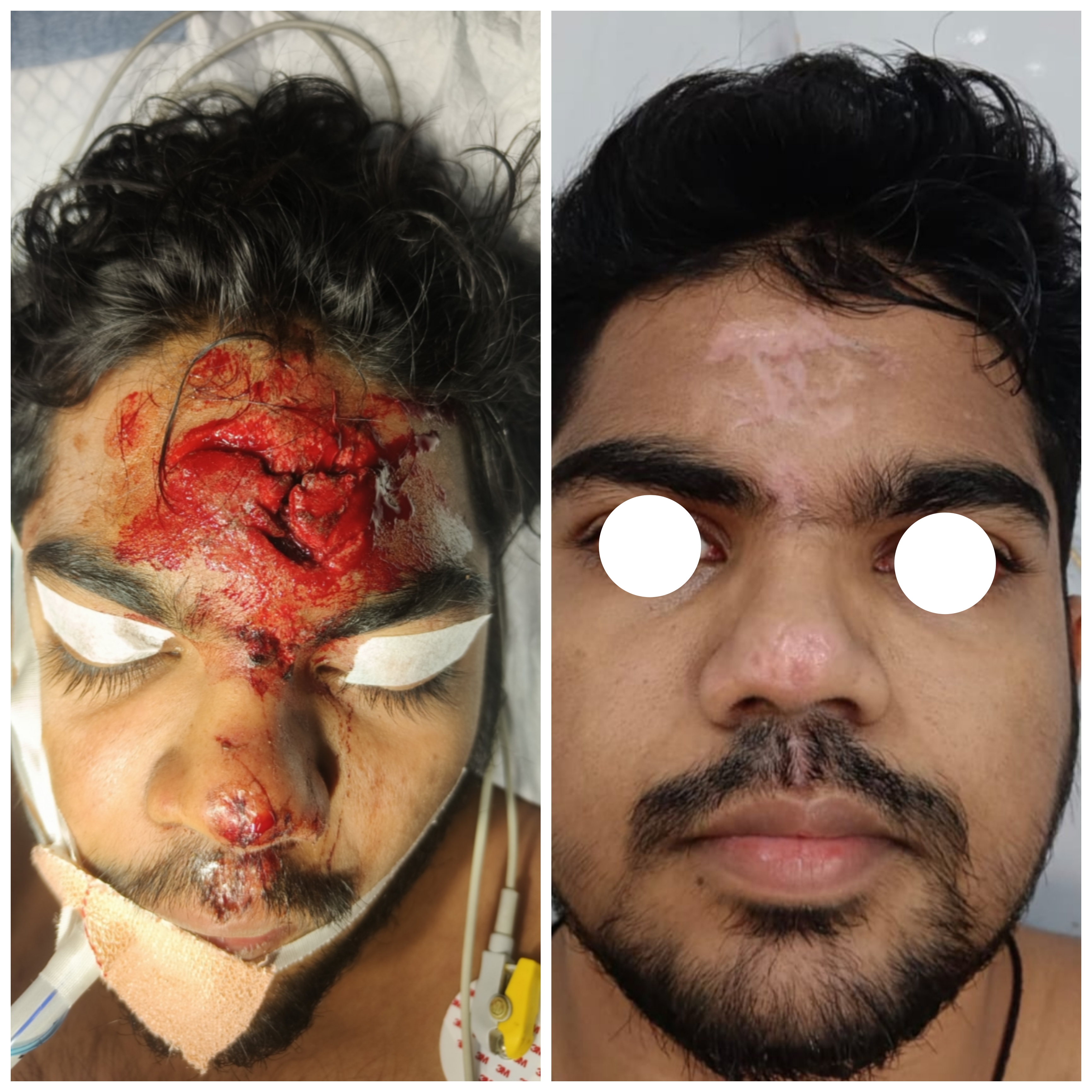
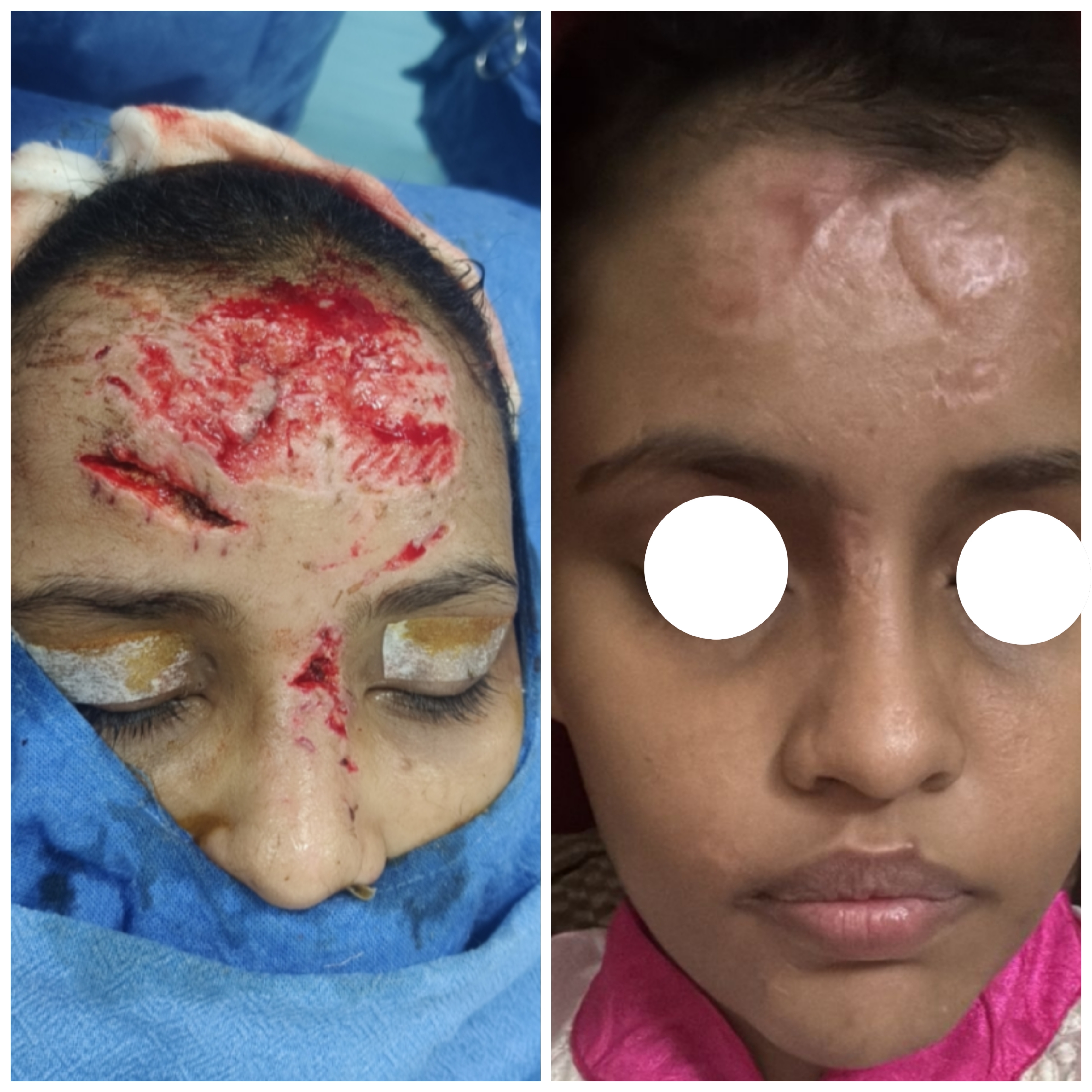
Through these advanced techniques, we are able to restore not just the physical structure of the face, but also the patient's confidence and quality of life.