

Role of Graft Chiller Device in Hair Transplant Surgery
Understanding the Role of Graft Chiller Devices in Hair Transplants
When undergoing a hair transplant, the ultimate goal is to achieve natural-looking, dense, and long-lasting results. To make this happen, the health and survival of your hair grafts are of the utmost importance. Modern advancements in technology have introduced specialized tools to protect these delicate grafts, and one of the most important developments is the graft chiller device.
During a hair restoration procedure, hair follicles are gently removed from the donor area and temporarily stored outside the body before being transplanted into the thinning or balding areas. Keeping these living tissues at an optimal, stable temperature is crucial to prevent cellular damage and maximize their chances of thriving in their new location.
Why Temperature Stability Matters
Traditionally, clinics relied on simple ice packs to keep harvested hair follicles cool. While keeping grafts cold slows down their metabolism and helps them survive outside the body, traditional ice packs have a major drawback: they cannot maintain a consistent, regulated temperature. Temperature fluctuations can stress the sensitive follicles, which may negatively impact the final outcome of the procedure.
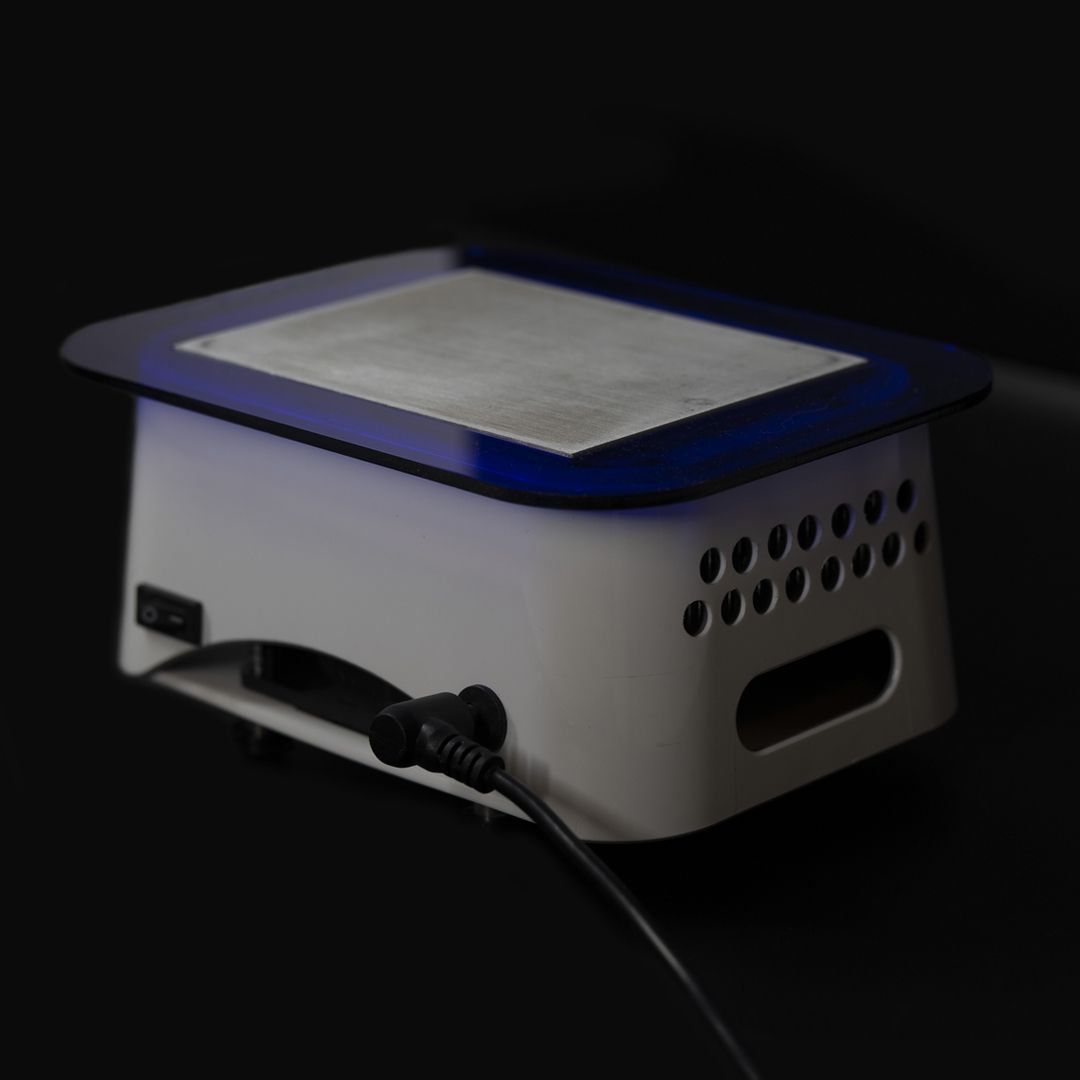
A dedicated graft chiller device changes this by providing a precise and stable temperature throughout the entire surgery. By preventing the grafts from becoming too warm or freezing, the device ensures that the follicles remain in peak condition from the moment of extraction to the final placement. Ultimately, this technological upgrade leads to higher graft survival rates and superior, more reliable hair transplant results.
Prone to uncontrolled fluctuations and uneven cooling, exposing vulnerable grafts to thermal stress and dehydration.
Delivers consistent digital temperature regulation, keeping delicate living cells alive and vital for maximum density and growth.