

Mega Vs Giga Hair Transplant
Understanding Mega and Giga Hair Transplants
When considering a hair restoration procedure, understanding the terminology and the scale of the operation is essential. Two terms you will often hear are Mega and Giga hair transplants. While both procedures aim to restore your hair and boost your confidence, they differ significantly in the number of grafts used, the source of the hair, and who they are best suited for.
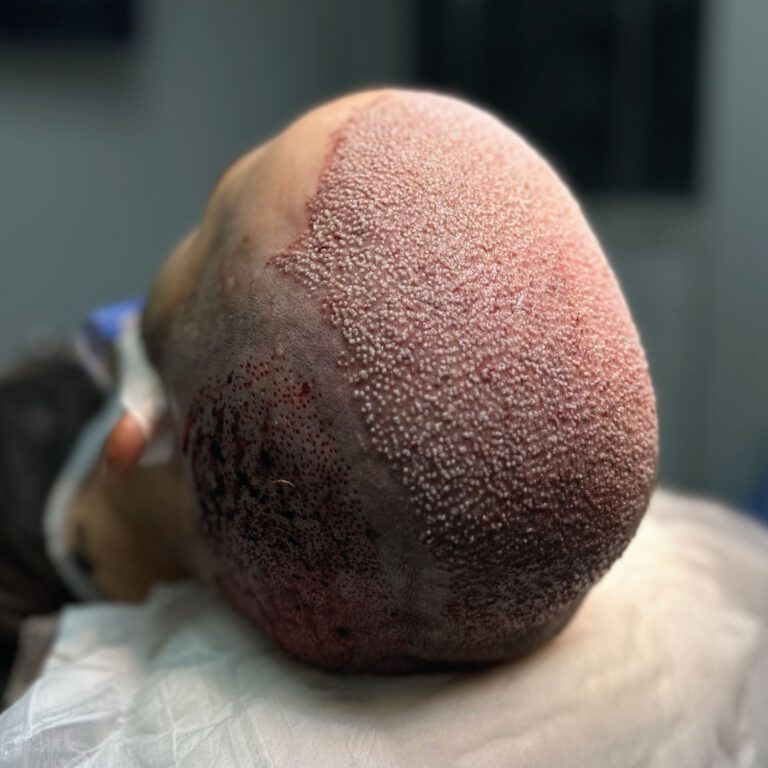
What is a Mega Hair Transplant?
A mega hair transplant generally involves a smaller to moderate number of grafts per single session. This approach is often recommended for younger patients. Because hair loss can progress as you age, doctors must plan carefully for the future. By using fewer grafts now, surgeons can preserve your remaining donor hair for any future hair loss that may occur later in life.
What is a Giga Hair Transplant?
On the other hand, a giga hair transplant is a much larger procedure. It typically involves transferring more than 5,000 grafts in a single session. Because the scalp alone may not always have enough donor hair to supply 5,000+ grafts, a giga hair transplant often combines hair from the scalp with body hair, such as beard and chest hair, to ensure the best possible coverage and density.
Which One Is Right For You?
Choosing between a mega and giga hair transplant largely depends on your age and the pattern of your hair loss:
-
Under 35 years old: A mega hair transplant is usually the better choice. It leaves plenty of donor hair in reserve to account for future baldness as you age.
-
Above 35 years old: For patients over 35 whose hair loss pattern has typically stabilized, a giga hair transplant can be safely performed to achieve a fuller, more dramatic restoration in one go.