

Understanding Hair Transplants: A Simple Guide
If you are considering a hair transplant, you might feel overwhelmed by the different terms and techniques. At its core, a hair transplant is a safe, effective procedure where a surgeon moves healthy hair follicles from one part of your scalp—usually the back or sides—to areas where hair is thinning or balding. It is a well-established medical procedure designed to restore your natural hairline and boost your confidence.
The Main Techniques
There are several ways to perform a transplant, and the right choice depends on your specific hair loss pattern and goals.
1. Follicular Unit Extraction (FUE)
FUE is a popular, minimally invasive technique where individual hair follicles are removed one by one and transplanted to the thinning area. It is highly favored for its precision and minimal scarring.
- Benefits: Leaves no linear scar, allows for a faster return to daily activities, and is ideal for those who prefer shorter hairstyles.
- Best for: Patients who want a discreet procedure with a quicker recovery time.
2. Follicular Unit Transplantation (FUT)
Often called the "strip method," FUT involves removing a small strip of skin from the back of the scalp, from which the hair follicles are carefully separated and transplanted.
- Benefits: Allows for a larger number of grafts to be transplanted in a single session, making it very efficient for significant hair loss.
- Best for: Patients who require a larger volume of hair coverage in one go.
3. Long Hair Transplant
This technique allows for the transplantation of longer hair strands, providing an immediate visual result of the new hairline without needing to shave the donor area.
- Benefits: You can see the results of the transplant immediately after the procedure.
- Best for: Patients who want to avoid the "shaved" look during the initial growth phase.
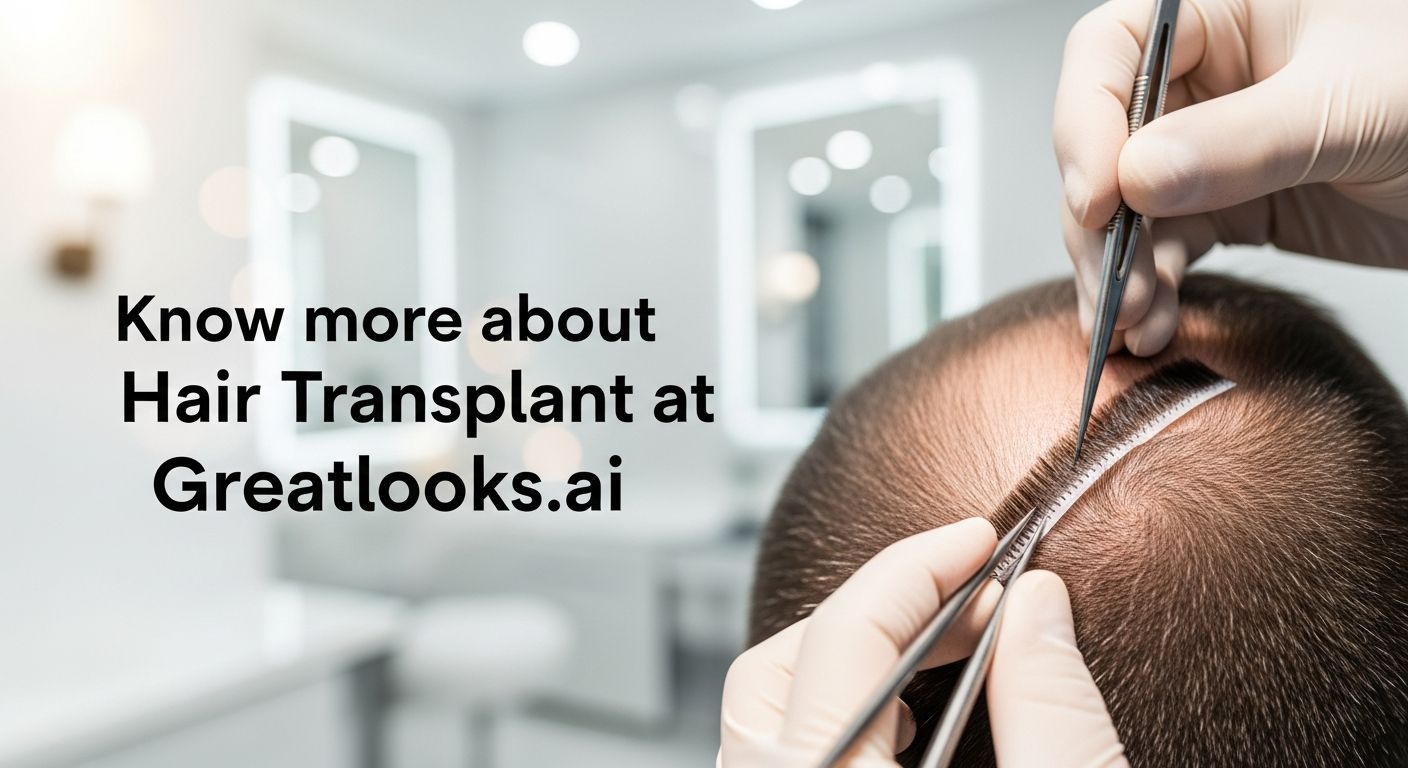
Modern hair restoration is highly regulated, incredibly safe, and performed under local anesthesia to ensure you feel absolutely no pain. Our clinical teams utilize state-of-the-art sterile environments and advanced micro-tools to guarantee seamless healing and beautiful, natural results.
What to Expect: Recovery and Results
Safety is our top priority throughout your journey. While these procedures are generally very safe, it is important to understand the recovery process. You may experience some mild swelling or discomfort, which is normal and easily managed with guidance from your medical team.
One important thing to know is that your new hair will not grow in immediately. In fact, you will likely experience a period of "shedding" a few weeks after the procedure. Do not be alarmed—this is a completely normal part of the hair growth cycle. The follicles are simply resting before they begin to produce new, permanent hair. You will typically start to see significant growth within three to six months.
Always consult with a qualified professional to discuss which technique aligns best with your scalp health and aesthetic goals. With the right care, a hair transplant can be a life-changing step toward a fuller, more confident you.