
Understanding Gynecomastia
Gynecomastia is a condition characterized by the development of "female-like" breasts in men. This enlargement can be caused by an accumulation of excess fat, glandular tissue, or a combination of both. For many men, the primary concern is the physical appearance of enlarged breasts or pointed nipples, which can lead to significant self-consciousness and discomfort.
The condition is most commonly triggered by a temporary surge of female hormones during puberty. While it often resolves naturally in most adolescents, for some, it persists into adulthood as full-blown gynecomastia. In rarer instances, the condition may be linked to underlying medical issues such as liver disease, testicular development failure, brain tumors, or chronic alcoholism.
Who is an Ideal Candidate for Surgery?
According to Dr. Amit Gupta, a leading expert in the field, an ideal candidate for gynecomastia surgery is someone who meets the following criteria:
- Individuals unhappy with excess fat or glandular deposits that create a feminine chest contour.
- Men experiencing either bilateral (both sides) or unilateral (one side) breast tissue growth.
- Those with a strong desire to boost their self-confidence and body image.
- Patients who have tried medical treatments without achieving their desired results.
- Men who feel uncomfortable due to enlarged or prominent nipples.
What the Procedure Can and Cannot Achieve
It is essential to have realistic expectations before undergoing surgery. Here is a breakdown of what the procedure typically offers:
What Surgery Can Do:
- Provide virtually scarless results in over 90% of patients.
- Achieve near-perfect symmetry between both sides of the chest.
- Create a more masculine, natural-looking chest contour.
- Effectively eliminate "man boobs."
- Allow for a quick recovery, with most patients returning to the gym within 10 days.
What Surgery Cannot Do:
- Treat the underlying hormonal or medical disorders that caused the gynecomastia initially.
- Guarantee a perfectly "chiseled" look in severe cases (Grade 3b and 4).
- Create a specific "chest pack" or highly muscular look unless specifically requested as part of a high-definition procedure.
The Transformation: Before and After
The journey to a flatter chest is a process of healing and refinement. Patients often begin to see the initial results of their transformation once the primary post-operative swelling begins to fade. By the three-month mark, the new shape of the chest is clearly visible, showing a significant reduction in volume and a firmer appearance.
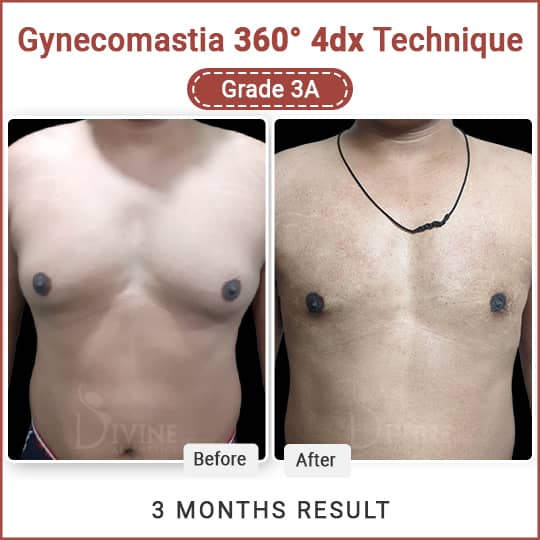
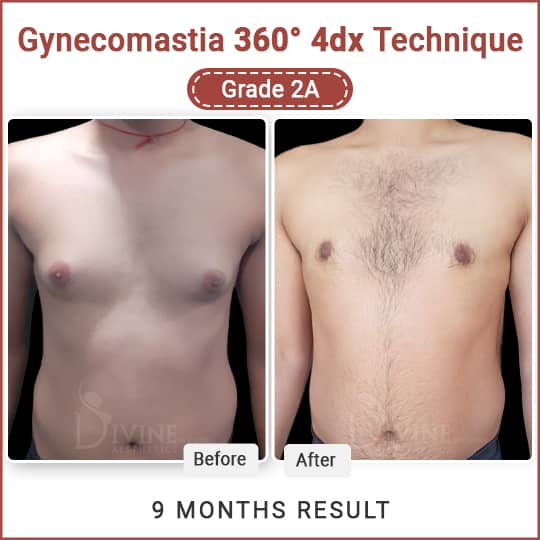
As the body continues to heal and the skin retracts over the underlying muscle, the results become even more refined. By nine months, the tissues have fully settled, and the final, permanent contour is established, providing a lasting boost to the patient's confidence.
Recovery and Potential Risks
Recovery from gynecomastia surgery is generally swift. Most patients can return to light daily activities within a few days and resume intense exercise or gym routines after about 10 days. It is common to wear a compression garment during the first few weeks to minimize swelling and support the new chest contours.
As with any surgical procedure, there are potential risks to consider. These may include temporary bruising, swelling, or numbness in the treated area. While rare, risks such as infection, minor asymmetry, or scarring can occur, though modern techniques have made the procedure exceptionally safe and effective.
Global Cost Comparison
The cost of gynecomastia surgery varies significantly depending on the geographic location, the surgeon's expertise, and the complexity of the case. Below are the estimated price ranges for the procedure in various popular medical destinations:
- United States: $4,000 – $10,000
- Mexico: $2,500 – $4,500
- Turkey: $2,000 – $3,500
- India: $1,500 – $3,000
- Thailand: $2,000 – $4,000