

Chat with us on WhatsApp: +91 9811991228
Introduction
For many women, the decision to undergo labia repair, or labiaplasty, is often driven by a combination of physical discomfort and aesthetic concerns. However, a growing number of patients are seeking these procedures to address a more intimate issue: sexual satisfaction. The question of whether labia repair and associated procedures like clitoral unhooding can increase the chances of achieving an orgasm is a significant topic in the field of female pelvic medicine and aesthetic surgery.
Sexual wellness is a vital component of overall health, yet many women feel hesitant to discuss difficulties in reaching climax. While the reasons for anorgasmia (the inability to achieve orgasm) can be complex and multifaceted—ranging from psychological factors to hormonal imbalances—physical anatomy plays a crucial role. In many cases, excess tissue in the labia minora or an overdeveloped clitoral hood can act as a physical barrier to the stimulation required for a natural orgasm. By "unmasking" the clitoris through surgical refinement, women may find a renewed sense of sensation and a more direct path to sexual fulfillment.
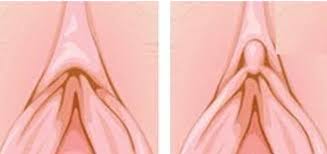
Description: The Anatomy of Pleasure and the Role of Surgery
To understand how labia repair can influence sexual response, it is essential to first understand the complex structure of the clitoris. Unlike other organs, the clitoris is the only part of the human anatomy dedicated solely to providing pleasure. While many people think of the clitoris as just the small, visible "nub" at the top of the vulva, it is actually an extensive internal and external structure. The visible portion is the glans clitoris, which is packed with thousands of sensitive nerve endings—far more than the head of a penis. Internally, the clitoris extends into the body with two "legs" (crura) and vestibular bulbs that engorge with blood during arousal.
The clitoral hood, or prepuce, is the fold of skin that covers and protects the glans clitoris. In a balanced anatomical state, this hood retracts during arousal to allow for direct or indirect stimulation. However, many women experience a condition known as clitoral hooding, where excess skin permanently covers the glans. This can lead to "phimosis" of the clitoris, where the tissue is so thick that it prevents the glans from receiving adequate stimulation during intercourse or manual play. When the clitoris is buried under layers of skin, the intensity of sensation is significantly dampened, making it difficult, if not impossible, to reach a natural orgasm.
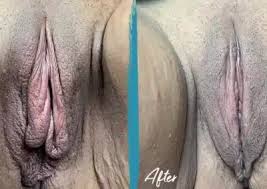
How Orgasms Happen
An orgasm is a physiological response characterized by a sudden release of accumulated sexual tension. This process involves a complex coordination between the nervous system, the vascular system, and the brain. During arousal, blood flow increases to the pelvic region, causing the clitoral tissues to swell and become highly sensitive. Continuous stimulation of these nerve endings sends signals to the brain, eventually reaching a threshold that triggers rhythmic muscle contractions in the pelvic floor and uterus—the sensation we recognize as an orgasm.
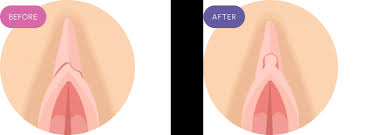
For many women, clitoral stimulation is the primary, and often the only, way to achieve this climax. If the physical pathway to that stimulation is blocked by redundant labial tissue or a heavy clitoral hood, the "climax threshold" may never be reached. This is where labia repair and clitoral unhooding (hoodectomy) become transformative. Labia repair reduces the size of the labia minora, preventing them from being pulled or tucked uncomfortably during sex, while clitoral unhooding carefully removes the excess skin covering the glans. Together, these procedures "unmask" the clitoris, ensuring that it is more accessible to stimulation.
Why Some Women Struggle with Natural Orgasm
The inability to achieve a natural orgasm can stem from several physical factors that surgery can address:
- Excessive Hooding: As mentioned, a thick clitoral hood acts as a physical muffler, reducing the vibratory or tactile sensations necessary for arousal.
- Labial Hypertrophy: Large or elongated labia can cause physical interference during sexual activity. They may get pushed into the vaginal canal or cause pain (dyspareunia) due to tugging, which shifts the focus from pleasure to discomfort.
- Hygiene and Sensitivity: Excess skin can sometimes trap secretions or lead to chronic irritation, which can make the area hypersensitive in an unpleasant way, rather than a pleasurable one.
By addressing these structural issues, labiaplasty and clitoral unhooding do not "create" an orgasm, but they remove the obstacles that prevent one. Patients often report that after recovery, they experience increased sensitivity and a significant reduction in the time and effort required to reach climax.
Summary
In summary, labia repair and clitoral unhooding are more than just cosmetic enhancements; they are functional procedures that can profoundly impact a woman's sexual health and quality of life. By understanding the intricate structure of the clitoris and the mechanics of the female orgasm, we can see how anatomical barriers like excess skin can hinder sexual satisfaction. Surgical intervention aims to unmask the clitoris, allowing for better stimulation and a more direct path to natural orgasm.
While surgery can provide the physical foundation for improved sensation, it is important for patients to have realistic expectations and consult with a qualified professional to ensure the procedure is right for their specific needs. For many, the result is a boost in confidence, a reduction in physical discomfort, and a more vibrant, fulfilling sexual life. If you are experiencing difficulties with sexual stimulation due to anatomical concerns, these procedures offer a scientifically backed path toward reclaiming your pleasure.