

When you first walk into a consultation for a labiaplasty, it is natural to feel a bit overwhelmed. You might know that you want to address physical discomfort or change the appearance of the labia minora, but the technical details can seem complex. Let’s break down the options as if we were sitting together in the office, looking at your path to the best possible results.
Understanding the Surgical Techniques
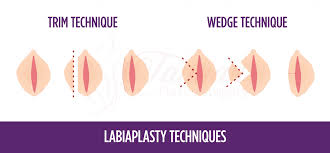
There isn't a "one size fits all" approach to labiaplasty. The technique chosen depends entirely on your unique anatomy and your personal aesthetic goals. Here are the three primary methods we often discuss during a consultation:
- The Wedge Technique: In this procedure, a V-shaped "wedge" of tissue is removed from the thickest part of the labia minora. The edges are then carefully brought together. This is a popular choice because it preserves the natural, pigmented edge of the labia, which many patients prefer for a more subtle, natural-looking result.
- The Trim (Vertical Cut) Technique: This is the most traditional method. The surgeon removes the excess outer edges of the labia minora along a vertical line. It is particularly effective if the edges are dark, irregular, or if you wish to have a smoother, more uniform appearance.
- The Barbie Labiaplasty: This is a more specific aesthetic request where the labia minora are reduced significantly, often until they are almost entirely tucked behind the labia majora. It results in a very "flush" or "flat" appearance, which some patients find more desirable for their personal style.
Recovery and Aftercare
Recovery is a vital part of achieving those high-quality results. Most patients need about a week of downtime before returning to light daily activities. You can expect some swelling and soreness, which is typically managed with cold compresses and prescribed medication. It is important to avoid strenuous exercise and sexual activity for about four to six weeks to allow the delicate tissues to heal properly and ensure the best cosmetic outcome.
Potential Complications and Risks
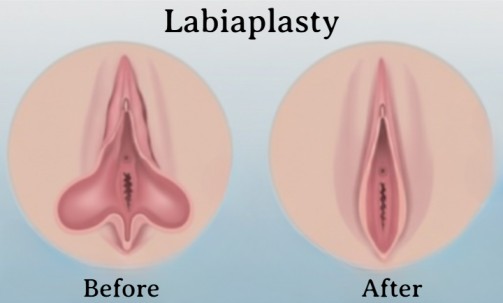
As with any surgical procedure, there are potential complications to be aware of. While rare when performed by a specialist, risks can include temporary numbness, minor infection, or "dehiscence"—a term for when the incision edges pull apart slightly during the healing process. Choosing an experienced surgeon and following post-operative instructions closely are the best ways to minimize these risks and ensure you are happy with your final look.
Ultimately, the goal of this procedure is to ensure you feel comfortable and confident in your body. By choosing the right technique for your specific needs, we can achieve a result that looks natural and feels great.