

Achieving the Hourglass Silhouette: The Rise of Hip Dip Implants
For many individuals seeking to refine their body contours, the quest for a smooth, hourglass figure is a common goal. While traditional methods like fat grafting have long been the standard for addressing "hip dips"—the natural inward curve between the hip bone and the thigh—a new, innovative procedure originating from South Korea is gaining global recognition for its ability to provide a more permanent and sculpted result.
Hip dip implants are a specialized surgical solution designed to fill the lateral depression of the hip, creating a more rounded and defined silhouette. Unlike temporary fillers, this procedure offers a structural approach to body contouring.
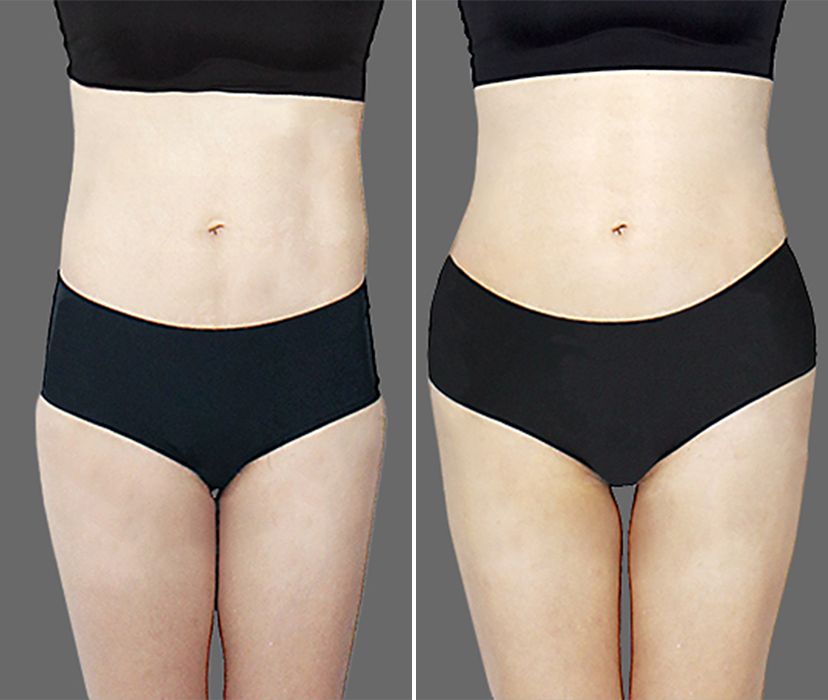
How the Procedure Works
The innovation behind this technique lies in its precision and stability. During the surgery, a custom-fitted titanium plate is securely anchored to the iliac bone (the large, uppermost part of the hip bone). Once the plate is firmly in place, a medical-grade silicone implant is attached to it. This dual-component system ensures that the implant remains stable and maintains its intended shape over time, providing a consistent aesthetic outcome that mimics the natural anatomy of the hip.
As this procedure continues to gain traction worldwide, it is becoming a sought-after option for patients who desire a more dramatic or permanent correction of their hip contours. By focusing on the underlying bone structure rather than just soft tissue, this method allows for a highly predictable and sculpted hourglass appearance.
Why Choose Hip Dip Implants?
Unlike traditional fat transfer (BBL) which relies on having sufficient donor fat and can suffer from unpredictable fat reabsorption, hip dip implants offer key structural advantages:
-
Permanent Structure: No risk of fat reabsorption or volume loss over time.
-
Titanium Anchoring: The dual-component system prevents implant shifting or migration.
-
Highly Predictable: Custom-fitted implants ensure precise, symmetrical curves.