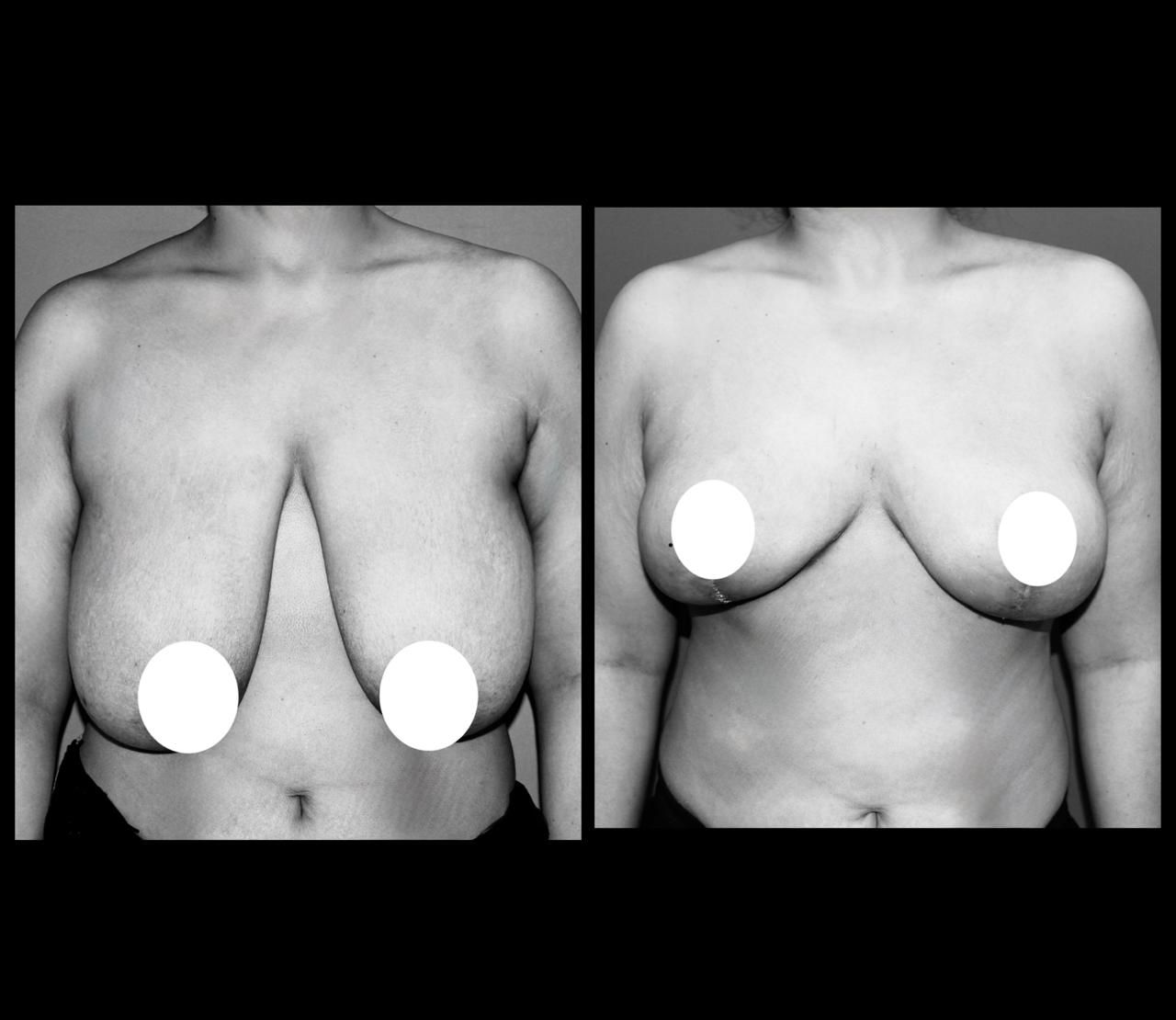

Breast Reduction: Reclaim Your Body, Unburden Your Life.
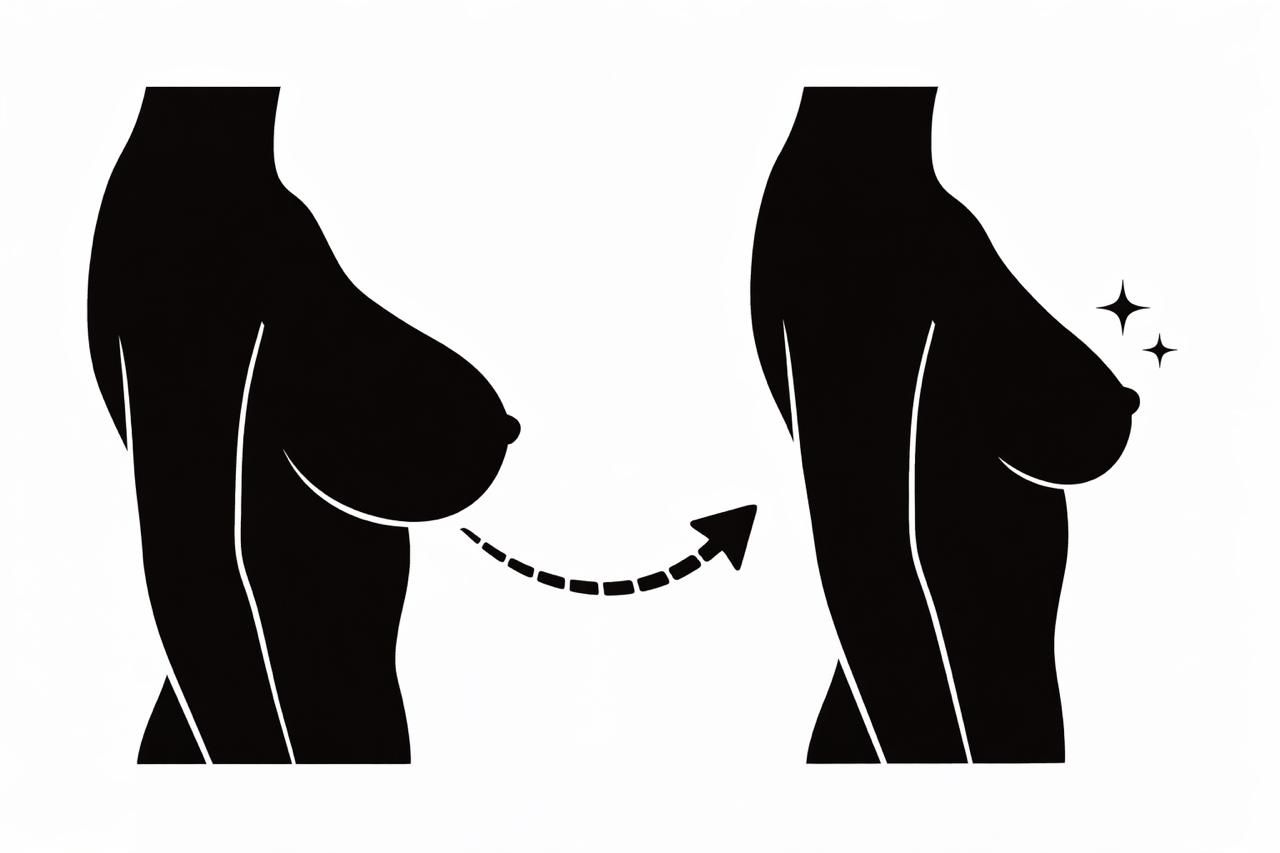
Breast reduction surgery, medically known as reduction mammoplasty, is a transformative procedure designed to alleviate the physical and emotional burden of excessively large breasts. While often perceived as a cosmetic enhancement, for many women, it is a functional necessity that addresses chronic pain and improves overall quality of life. By removing excess glandular tissue, fat, and skin, this procedure helps patients achieve a breast size that is in better proportion with their body, leading to a more active and comfortable lifestyle.
Common Clinical Indications
For those living with macromastia (enlarged breasts), the symptoms are often more than just a matter of appearance. The physical weight can lead to a variety of chronic health issues, including:
- Chronic Pain: Persistent discomfort in the neck, shoulders, and upper back.
- Shoulder Grooving: Deep, painful indentations in the shoulders caused by the constant downward pressure of bra straps.
- Skin Irritation: Recurrent rashes, fungal infections (intertrigo), and skin breakdown within the inframammary fold.
- Physical Limitations: Difficulty engaging in exercise or sports, often leading to exercise intolerance and weight gain.
- Postural Imbalance: A tendency to hunch forward to compensate for the frontal weight, which can lead to long-term spinal issues.
- Psychosocial Impact: Significant self-consciousness and difficulty finding clothing that fits properly.
Surgical Principles and Techniques
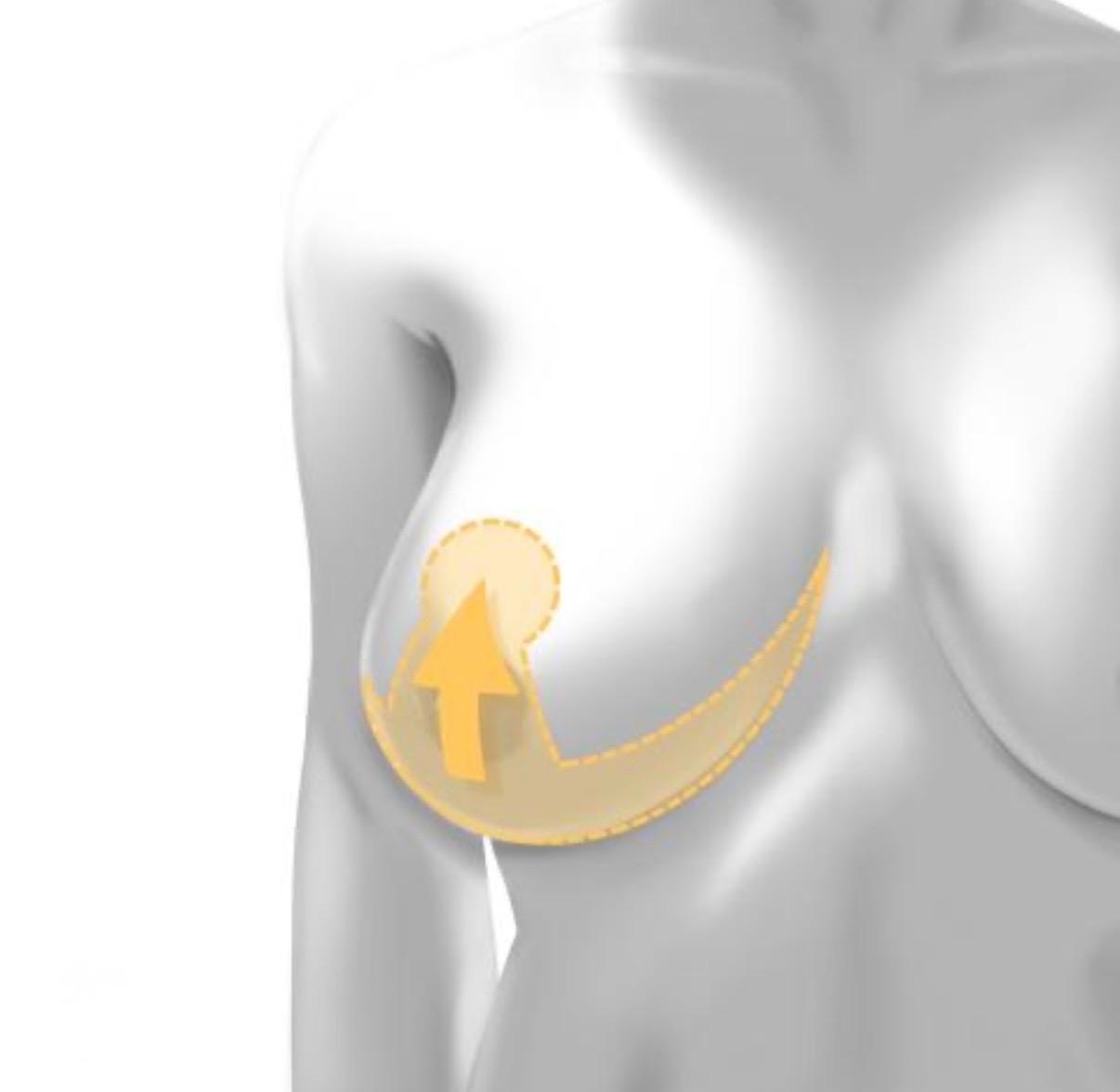
The goal of reduction mammoplasty is to reshape the breast mound to achieve anatomical proportion while ensuring vascular safety and a natural aesthetic contour. During the procedure, the nipple-areola complex is repositioned to a more youthful height, and excess tissue is excised.
Surgeons typically choose between two primary incision techniques based on the patient's unique anatomy and the degree of reduction required:
- Inverted-T (Wise Pattern): This is the traditional approach for larger reductions. It involves an incision around the areola, a vertical line down, and a horizontal line along the breast crease.
- Lollipop (Vertical) Scar: This technique uses an incision around the areola and a vertical line down. It is often preferred for moderate reductions as it results in less scarring.
Recovery and Postoperative Course
Modern surgical advancements have made the recovery process highly manageable. Most patients experience a short hospital stay, typically around 24 hours, to ensure a safe start to their healing journey.
- Initial Recovery: Most patients can return to light routine activities within 1 to 2 weeks.
- Full Activity: A gradual resumption of exercise and more strenuous physical activity is usually permitted after 4 to 6 weeks.
- Scar Maturation: While scars are permanent, they mature and fade significantly over time with proper care and sun protection.
Clinical Outcomes: A New Lease on Life
The results of breast reduction surgery are often life-changing. Beyond the aesthetic improvement, patients report a significant reduction in musculoskeletal discomfort and a newfound ability to engage in physical activities they previously avoided. Improved posture, better-fitting clothes, and a boost in self-perception contribute to a vastly enhanced quality of life.
Addressing Common Concerns: Scars, Sensation, and Breastfeeding
Will the scars be noticeable?
While scars are inevitable, they are strategically placed to be hidden by most bras and swimwear. Over time, they typically flatten and lighten, becoming a worthwhile trade-off for the relief provided by the surgery.
Will I lose sensation?
Temporary changes in nipple sensation are common during the healing process. However, permanent loss is rare with modern techniques, and most patients find that sensation returns to normal or near-normal levels.
Can I still breastfeed?
Many women are still able to breastfeed after the procedure, especially when gland-preserving techniques like the superomedial pedicle are utilized. While some reduction in milk capacity is possible, it is not a certainty for every patient.
Final Takeaway
Breast reduction surgery is not merely a size-reducing procedure; it is about reclaiming your body and unburdening your life. It isn’t just about changing how you look—it’s about transforming how you LIVE. If you are experiencing these concerns, Dr. Devika R. Mahajan is available to answer your queries and help you achieve your expectations for a more comfortable future.