
Redefining Radiance: Why Skin Health Outshines Fairness
In my years of practice as a dermatologist, I have observed a persistent shift in how patients define beauty. Often, the request for a 'glow' is conflated with the desire for a lighter skin tone. However, it is time we address a fundamental truth: true radiance is not synonymous with fairness. As medical professionals and patients alike, we must pivot our focus from the pursuit of a specific shade to the cultivation of optimal skin health.
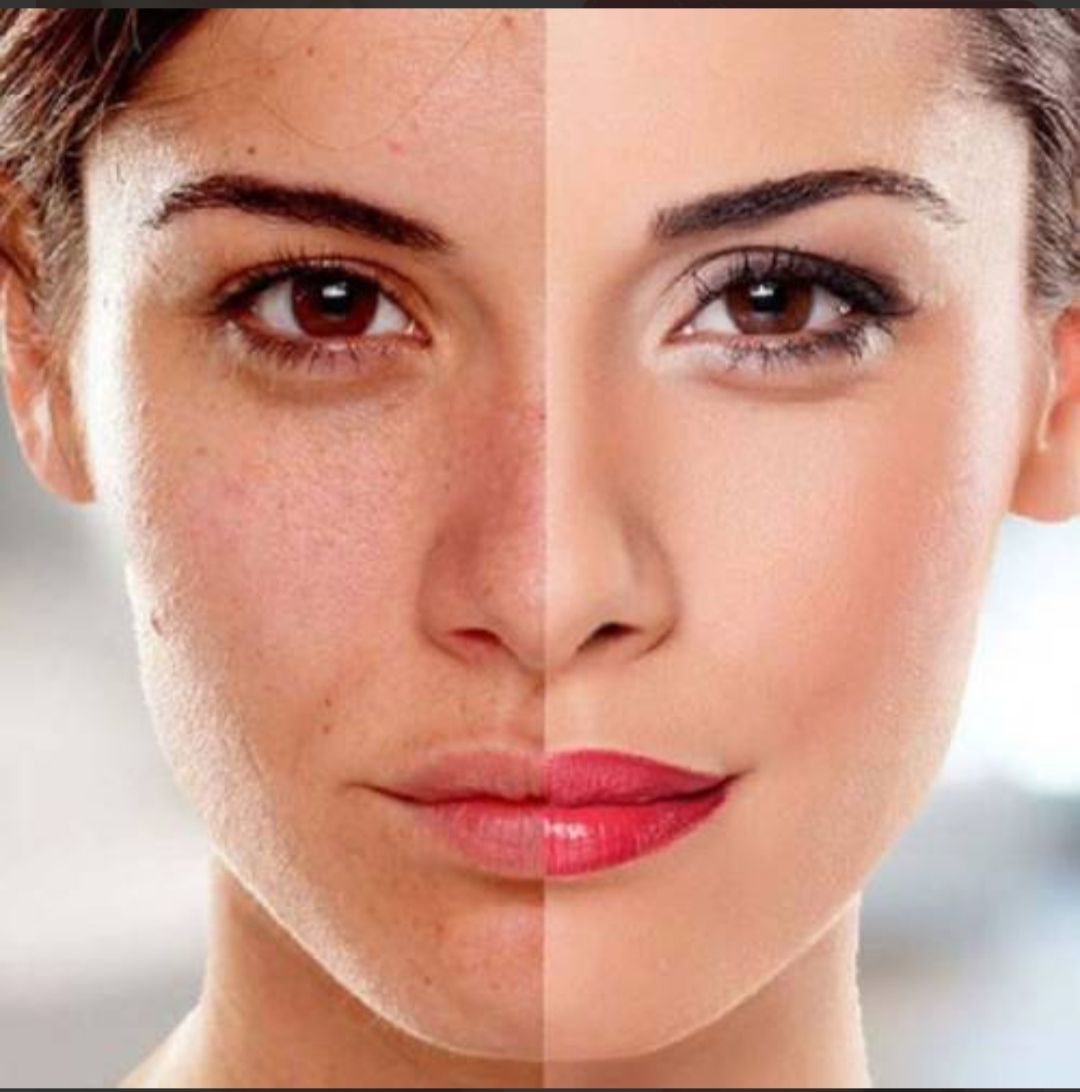
When we prioritize skin health, we are looking at the integrity of the skin barrier, the regulation of melanin production, and the overall vitality of the dermis. Skin lightening treatments, when pursued solely for aesthetic alteration rather than the treatment of hyperpigmentation or melasma, often overlook the biological necessity of melanin.
The Medical Perspective on 'Glow'
A healthy complexion is characterized by even texture, adequate hydration, and a robust barrier function. This 'glow' is the result of proper cellular turnover and protection from environmental stressors. Whether you are dealing with post-inflammatory hyperpigmentation or simply seeking to improve your skin's luminosity, the approach should always be restorative rather than reductive.
The Core Shift
We should be asking: 'How can I support my skin’s natural function?' rather than 'How can I change my skin’s color?'
For my peers in the aesthetic field, this requires a commitment to ethical practice. We must educate our patients on the difference between managing skin conditions and chasing unrealistic beauty standards. For patients, I encourage you to seek consultations that prioritize your long-term skin integrity over quick-fix solutions that promise a lighter complexion.
Start Your Journey to Healthy Skin
If you are ready to focus on the health and vitality of your skin, I am here to guide you through evidence-based treatments that celebrate your natural beauty. Let’s move away from the outdated obsession with fairness and toward a standard of care that values the health of your skin above all else.
Have questions about your skin health? Reach out to us directly for a professional consultation: