
Understanding Dandruff: More Than Just Flakes
Dandruff, medically known as seborrheic dermatitis when it presents as a chronic inflammatory condition, is one of the most common scalp concerns globally. While often dismissed as a simple hygiene issue, dandruff is a complex condition influenced by biology, environment, and lifestyle. Understanding the science behind those persistent flakes is the first step toward effective management.
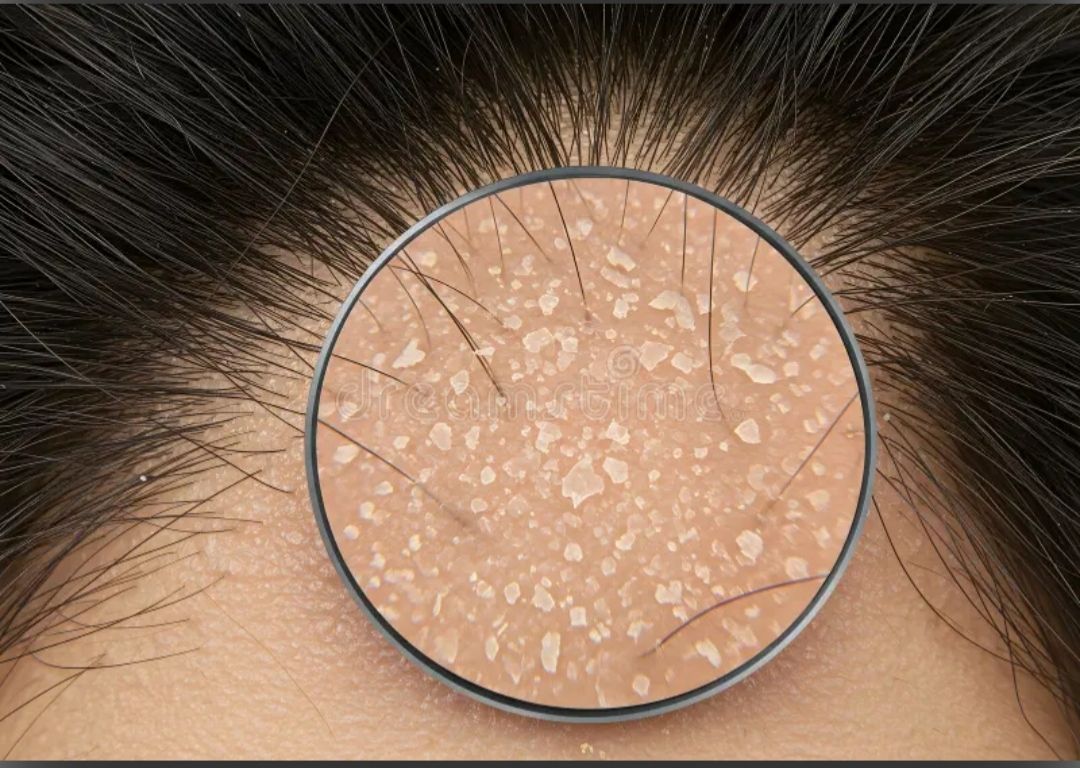
At its core, dandruff is primarily linked to the presence of Malassezia, a genus of yeast that naturally resides on the scalp of nearly every adult. For most people, this yeast lives in harmony with the skin's microbiome. However, in individuals prone to dandruff, the immune system may overreact to the byproducts of this yeast, leading to accelerated skin cell turnover. Instead of shedding invisibly, skin cells clump together, creating the visible white or yellowish flakes we recognize as dandruff.
Dandruff vs. Other Scalp Conditions
It is easy to confuse dandruff with other conditions, but distinguishing between them is vital for choosing the right treatment:
Dry Scalp
Unlike dandruff, which is caused by an inflammatory response and often involves oily, yellowish flakes, a dry scalp is simply a lack of moisture. It typically presents as small, white, dry flakes and often feels tight or itchy.
Scalp Psoriasis
This is an autoimmune condition that causes thick, silvery scales and well-defined red patches. It often extends beyond the hairline onto the forehead or behind the ears and is generally more resistant to standard anti-dandruff shampoos.
The Modern Triggers: Why Now?
In 2026, our scalp health is influenced by more than just biology. Several modern factors can exacerbate dandruff:
Stress
High stress levels can weaken the immune system, making it harder for the body to regulate the scalp microbiome.
Pollution
Environmental pollutants can settle on the scalp, causing oxidative stress and inflammation.
Hair-Care Practices
Over-use of styling products, infrequent washing, or harsh chemical treatments can disrupt the scalp's natural barrier.
Diet
While research is ongoing, some studies suggest that diets high in sugar or processed foods may influence systemic inflammation, potentially impacting skin conditions.
Practical Strategies for Management
Managing dandruff is about restoring balance to the scalp environment. Here are effective ways to keep your scalp healthy:
- Use Medicated Shampoos: Look for active ingredients like zinc pyrithione, selenium sulfide, ketoconazole, or salicylic acid. These work by reducing yeast populations or helping to exfoliate excess skin cells.
- Consistency is Key: Use medicated treatments as directed—often, leaving the lather on the scalp for 3–5 minutes before rinsing is essential for the ingredients to work.
- Maintain Scalp Hygiene: Regular washing helps remove the oils that Malassezia feeds on.
- Manage Stress: Incorporating mindfulness or regular exercise can help lower systemic inflammation.
When to See a Dermatologist
While most cases of dandruff can be managed with over-the-counter products, you should consult a dermatologist if:
- Your scalp becomes intensely red, swollen, or painful.
- The condition does not improve after several weeks of using medicated shampoos.
- You suspect the issue might be psoriasis or another underlying skin condition.
- The flaking is accompanied by hair loss or crusting.
Key Take-Home Messages
Dandruff is a manageable, non-contagious condition that is rarely a sign of poor hygiene. By understanding that it is a multifactorial issue involving yeast, inflammation, and lifestyle, you can move beyond temporary fixes and adopt a routine that supports long-term scalp health. If you are struggling to find relief, professional guidance can help you identify the specific cause and tailor a treatment plan that works for you.