
Understanding Botulinum Toxin: Science, Safety, and Versatility
Botulinum toxin, commonly known by the brand name Botox, is one of the most widely recognized aesthetic treatments in the world. While often associated with smoothing fine lines, it is a sophisticated biological agent with a rich history in both medicine and aesthetics. Understanding how it works is the first step toward making informed decisions about your care.
At its core, botulinum toxin is a purified protein derived from the bacterium Clostridium botulinum. When administered in precise, controlled doses, it acts as a neuromodulator. It works by temporarily blocking the chemical signals from nerves that tell muscles to contract. By relaxing these specific muscles, the treatment can soften existing wrinkles and prevent new ones from forming.
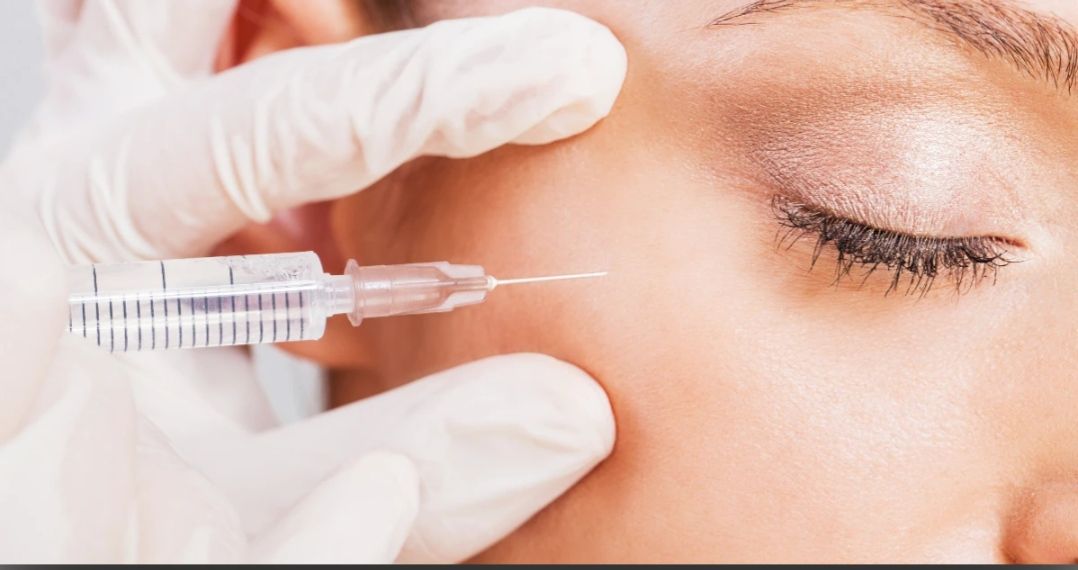
Beyond its popular cosmetic applications, botulinum toxin is a powerful medical tool. It is FDA-approved to treat a variety of conditions, including chronic migraines, hyperhidrosis (excessive sweating), cervical dystonia (involuntary neck muscle contractions), and certain eye muscle disorders. Its ability to calm overactive muscles makes it an invaluable asset in modern medicine.
The Importance of Professional Expertise
Safety is the cornerstone of any successful treatment. Because botulinum toxin is a medical procedure, it must only be performed by qualified medical professionals—specifically board-certified dermatologists or plastic surgeons. These specialists possess an in-depth understanding of facial anatomy, ensuring that the product is placed accurately to achieve natural-looking results while minimizing risks.
It is critical to note that cosmetologists and non-medical personnel are not trained to administer Botox. Seeking treatment from unqualified individuals can lead to serious complications, including facial asymmetry, drooping eyelids (ptosis), or permanent damage. Always verify the credentials of your provider before undergoing any injectable procedure.
Achieving Natural Results and Preventive Care
The goal of modern aesthetic medicine is to enhance your features, not to mask them. "Preventive Botox" has become a popular approach, where smaller doses are used in younger patients to soften the repetitive muscle movements that eventually lead to deep-set wrinkles. By starting early and maintaining consistent treatment intervals—typically every three to four months—patients can achieve subtle, refreshed results that look entirely natural.
Safety, Myths, and Informed Decision-Making
Despite its popularity, misinformation persists. A common myth is that Botox makes you look "frozen" or expressionless; however, when performed by an expert, the treatment preserves your ability to express emotion while simply smoothing the skin. Furthermore, patients must be wary of "bargain" Botox or counterfeit products often promoted on social media. These products are unregulated, potentially contaminated, and pose significant health risks.
Post-Procedure Care
After your treatment, avoid rubbing or massaging the injection site for 24 hours to prevent the product from migrating to unintended areas. Most patients can return to their daily activities immediately.
Looking Ahead
The future of botulinum toxin is bright, with ongoing research exploring its potential in treating depression, scarring, and various neurological conditions. As the field evolves, the focus remains on precision, safety, and patient-centered outcomes.
Take-Home Message: Your safety is non-negotiable. Always prioritize board-certified medical professionals, maintain realistic expectations, and rely on evidence-based practices. By choosing the right provider, you ensure that your journey toward aesthetic enhancement is both safe and rewarding.