

"You’re so lucky!"
This is a phrase frequently heard by women living with disproportionately large breasts. Usually, it comes from those who don’t fully grasp the daily physical and emotional challenges involved. While society often views a larger bust through a purely aesthetic lens, the reality for many women is a condition we call the Burden of Big Breasts (BBB).
This article aims to sensitize readers to the genuine hardships associated with a heavy bust and explore the paths toward relief and confidence.
The Physical and Emotional Toll
Disproportionately large breasts can significantly impact a woman’s quality of life. It isn't just about appearance; it is about persistent pain that radiates from the shoulders down the spine. The weight often causes bra straps to dig into the skin, leaving permanent, painful grooves and hyperpigmentation.
To illustrate these challenges, consider the story of a 27-year-old IT professional from Delhi. She sought help after years of discomfort that affected every facet of her life:
- The Struggle with Fitness: "I love running, but unless I’m wearing multiple sports bras, I can’t jog. Even then, the lack of support makes it nearly impossible. I always felt inappropriately dressed in public. Even yoga is limited; positions that involve lying on my chest are either painful or impossible."
- Wardrobe Limitations: Shopping becomes an exhausting chore. Most clothing is not designed for these proportions, leading to a choice between oversized, baggy tops that hide the figure or expensive, custom-made pieces. Finding supportive bras in large cup sizes is both time-consuming and a significant financial burden.
- Unwanted Attention: In many social settings, maintaining eye contact becomes a struggle for others. "Their gaze is mostly fixed on my chest," she shared. "It doesn’t matter what I’m wearing; the stares feel incredibly embarrassing."
Understanding the Symptoms of BBB
Large breasts are generally defined as a D cup or above, or any size that is disproportionate to the rest of the body. Common issues include:
- Chronic Pain: Persistent strain on the back, neck, and shoulder muscles.
- Skin Irritation: Moisture accumulation and friction under the breasts can lead to chronic rashes and fungal infections, especially in humid climates.
- Nerve Compression: The sheer weight can compress nerves, leading to numbness or a "pins and needles" sensation in the arms and hands.
- Mental Health Impact: Constant self-consciousness can lead to low self-esteem and a negative body image, affecting social interactions and overall well-being.
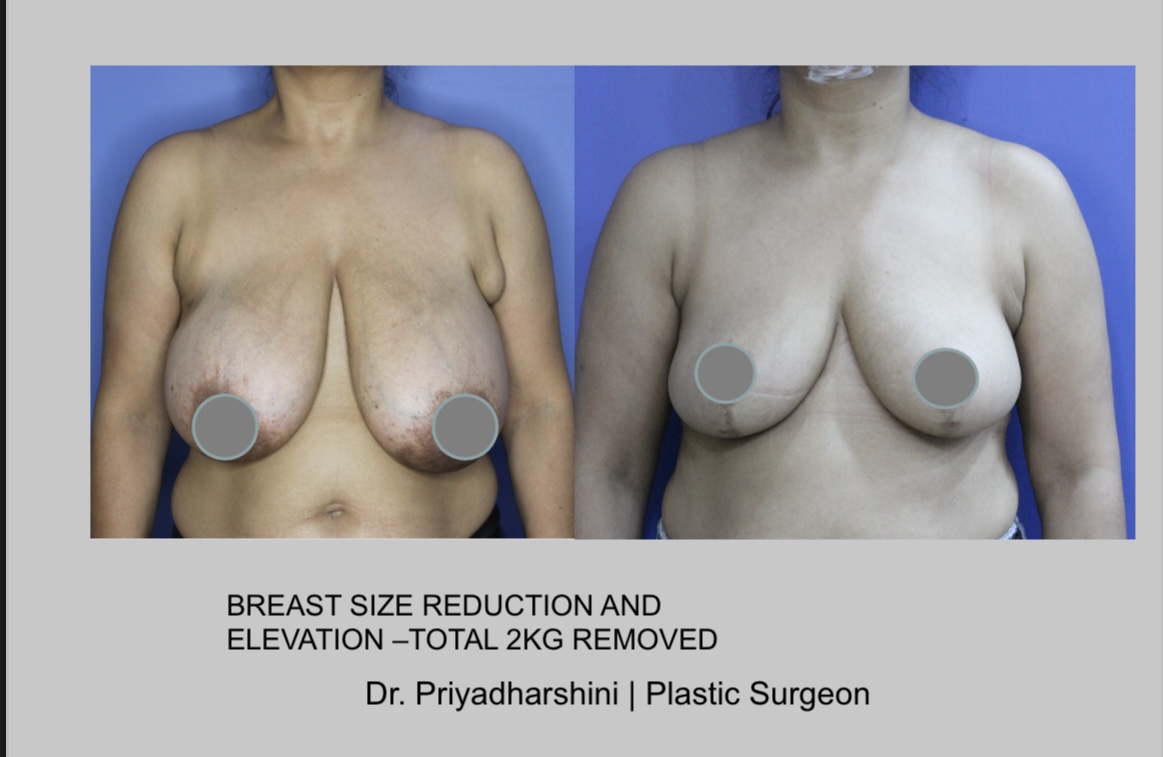
Management and Treatment Options
For some, non-surgical management can offer temporary relief. This includes wearing professionally fitted, high-impact supportive bras, engaging in physical therapy to improve posture, and strengthening the core and shoulder muscles.
However, when chronic pain persists and physical activity remains restricted, Reduction Mammoplasty (Breast Reduction Surgery) is a highly effective solution. This procedure removes excess breast tissue, fat, and skin to achieve a breast size more in proportion with the body.
Surgical Techniques
There are several approaches to breast reduction, depending on the patient's needs:
- Anchor (Inverted-T) Reduction: The most common method, involving an incision around the areola, down to the crease, and along the breast fold. It allows for significant reshaping and lifting.
- Vertical (Lollipop) Reduction: Uses a smaller incision around the areola and a vertical line down to the crease. This is ideal for moderate reductions.
- Liposuction-Assisted Reduction: A minimally invasive option using small incisions to suction out excess fat. This results in minimal scarring but is best suited for patients with good skin elasticity.
- Free Nipple Graft: Reserved for very large or sagging breasts, where the nipple and areola are removed and repositioned as a graft to ensure the best aesthetic outcome.
Choosing the Right Surgeon
If you are considering surgery, selecting a qualified specialist is paramount. Look for a board-certified plastic surgeon with extensive experience in breast procedures. Review their portfolio of before-and-after results, read patient testimonials, and schedule a thorough consultation to discuss your goals and expectations.
There is often a stigma surrounding reduction surgery, with some feeling a sense of guilt for "rejecting" a trait society deems desirable. However, your health and comfort come first. If you know someone struggling with these issues, listen to them and validate their experience. Sometimes, the best support is guiding them toward a professional who can help.
Thank you for reading my first blog post. If this information was helpful to you, please feel free to share your thoughts or reach out via email at priyadr1410@gmail.com.