

For many men and teenage boys, the appearance of an enlarged chest can be a source of significant self-consciousness, social anxiety, and even physical discomfort. This condition, medically known as gynecomastia, is far more common than most people realize. It is estimated that up to 50% of men experience some degree of breast tissue enlargement during their lifetime.
If you have been feeling uncomfortable at the beach, avoiding fitted shirts, or feeling a loss of confidence due to your chest appearance, you are not alone. This guide is designed to help you understand what gynecomastia is, why it happens, and the modern, effective treatments available to help you regain a masculine chest contour.
What is Gynecomastia?
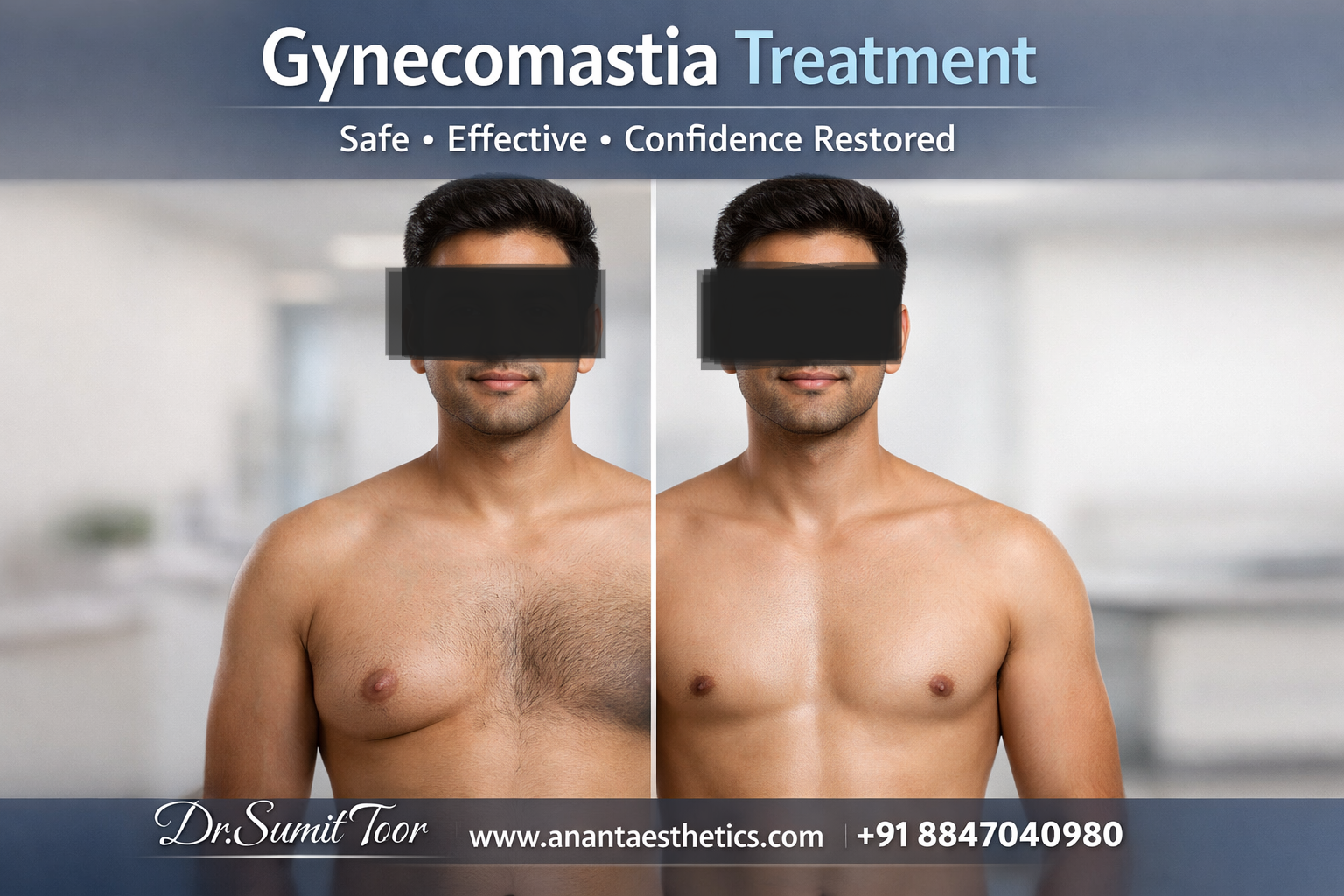
Gynecomastia is the benign (non-cancerous) enlargement of breast tissue in males. It occurs when there is an imbalance between the hormones testosterone and estrogen. While estrogen is often thought of as a "female" hormone, men also produce small amounts of it. When estrogen levels become too high relative to testosterone, breast tissue can grow.
It is important to distinguish between two types of enlargement:
- True Gynecomastia: This involves the growth of actual glandular breast tissue. This tissue is often firm or rubbery and is located directly behind the nipple.
- Pseudo-gynecomastia: This is caused by an accumulation of fat in the chest area, often associated with being overweight. It does not involve the growth of glandular tissue.
In many cases, patients present with a combination of both glandular tissue and excess fat, which requires a tailored approach to treatment.
Common Causes of Gynecomastia
Understanding the root cause of enlarged male chest treatment needs is the first step toward finding the right solution. Several factors can trigger this hormonal shift:
- Puberty: Hormonal fluctuations during adolescence are a very common cause. In most cases, the tissue shrinks on its own within six months to two years without treatment.
- Aging: As men age, testosterone production naturally decreases, which can lead to an increase in breast tissue.
- Medications: Certain drugs, including some anti-androgens, antidepressants, heart medications, and even some antibiotics, can cause gynecomastia as a side effect.
- Health Conditions: Systemic diseases such as kidney failure, liver disease, or thyroid problems can affect hormone balance.
- Lifestyle Factors: The use of anabolic steroids, excessive alcohol consumption, and certain recreational drugs (like marijuana) are known contributors.
- Obesity: Excess body fat can increase estrogen production, further complicating the condition.
Symptoms and How to Identify It
Identifying gynecomastia usually begins with a physical observation. Common signs include:
- Swelling or puffiness in the breast gland area.
- A firm or rubbery lump felt beneath the nipple.
- Tenderness or sensitivity in the chest.
- Asymmetry, where one side appears larger than the other.
Beyond the physical symptoms, the psychological impact is often the most significant factor. Many men report a decrease in self-esteem, avoidance of physical intimacy, and a general feeling of embarrassment regarding their body image.
When Should You See a Doctor?
While gynecomastia is rarely a serious medical threat, you should consult a professional if you notice "red flag" signs such as:
- Rapid or sudden growth of the chest tissue.
- Significant pain or severe tenderness.
- Nipple discharge.
- A very hard or fixed lump that feels different from the surrounding tissue.
Diagnosis and Clinical Examination
To provide the best plastic surgeon for gynecomastia experience, a thorough diagnosis is essential. During your consultation, the doctor will perform a physical exam to feel the consistency of the tissue. In some cases, blood tests may be ordered to check hormone levels, or an ultrasound may be used to differentiate between fat and glandular tissue.
Treatment Options: From Lifestyle to Surgery
The approach to treatment depends on the cause and the severity (grade) of the condition.
Lifestyle Changes
If the enlargement is purely fat (pseudo-gynecomastia), weight loss through diet and exercise can significantly improve the appearance of the chest. However, if true glandular tissue is present, exercise alone will not remove it.
Medical Management
In very early stages or when caused by a specific underlying medical condition, medication may be used to balance hormones. However, for long-standing gynecomastia, medication is rarely effective.
Surgical Treatment (The Definitive Solution)
Male breast reduction surgery is the most effective and permanent way to treat gynecomastia. Depending on your needs, the surgeon may use:
- Liposuction: Used to remove excess fatty tissue through tiny, nearly invisible incisions.
- Gland Excision: If there is significant glandular tissue, it is surgically removed through a small incision, usually around the edge of the dark skin surrounding the nipple (areola).
- Combination Technique: Most modern procedures use both liposuction and gland excision to achieve the smoothest, most natural-looking chest contour.
The Surgery Explained
The procedure is typically performed under general anesthesia or local anesthesia with sedation, ensuring you are comfortable and pain-free. It usually takes between 1 to 2 hours. Most patients can go home the same day (daycare procedure), though some may require an overnight stay depending on the extent of the surgery.
Recovery and Aftercare
Recovery is generally straightforward, but following post-operative instructions is vital for the best results:
- Compression Garment: You will need to wear a specialized vest for several weeks to minimize swelling and help the skin adhere to the new chest contour.
- Downtime: Most men return to desk work within 3 to 5 days.
- Physical Activity: You should avoid heavy lifting and strenuous gym workouts for about 3 to 4 weeks.
- Scar Care: Incisions are placed strategically to be as discreet as possible and will fade significantly over time.
Results and Expectations
While you will see an immediate improvement in the shape of your chest, final results are typically visible after 3 to 6 months once all swelling has subsided. The results of gynecomastia treatment in India are generally permanent, provided you maintain a stable weight and avoid certain medications or substances that trigger tissue growth.
Risks and Complications
Like any surgical procedure, there are potential risks, though they are rare when performed by an experienced plastic surgeon. These include temporary bruising, swelling, minor contour irregularities, or very rarely, infection. Choosing a qualified surgeon significantly minimizes these risks.
Gynecomastia Surgery Cost in India
The gynecomastia surgery cost varies based on several factors, including the grade of gynecomastia (how much tissue needs to be removed), the surgical technique used, the hospital facility, and the surgeon's expertise. During your consultation, you will receive a detailed breakdown of the costs involved.
Frequently Asked Questions (FAQs)
Will the tissue come back?
In the vast majority of cases, the results are permanent. However, significant weight gain or the use of certain steroids can cause new tissue to develop.
Is the surgery painful?
During the procedure, you will feel nothing. Afterward, most patients describe the feeling as "soreness" similar to a heavy chest workout, which is easily managed with prescribed pain relief.
Will there be visible scars?
Plastic surgeons use very small incisions placed in natural creases or at the edge of the areola to ensure that scars are minimal and well-hidden.
Can exercise alone cure it?
Exercise can reduce fat, but it cannot remove glandular tissue. If you have true gynecomastia, surgery is the only way to remove the gland.
Conclusion
Gynecomastia is a common condition that no man should have to live with in silence. Modern surgical techniques offer a safe, effective, and permanent way to restore a masculine chest and, more importantly, your self-confidence. If you are ready to take the next step, we encourage you to schedule a consultation to discuss your goals in a supportive, professional environment.
For expert consultation, visit www.anantaesthetics.com
Dr. Sumit Toor, Plastic Surgeon
Contact: +91 8847040980
Anant Aesthetic Clinic, Adampur