

Meta Description: Discover if Contractubex for facial scars really works. Learn about post surgical scar treatment, application tips, and clinical evidence for better healing.
Introduction
Undergoing facial surgery—whether for medical necessity or aesthetic enhancement—often brings a mix of relief and anxiety. While the procedure itself is a success, the journey doesn't end in the operating room. For many patients, the primary concern shifts to the healing process and the potential for visible scarring. Effective post surgical scar treatment is crucial, as facial scars can significantly impact self-esteem and social confidence. Choosing the right topical intervention can make the difference between a faint line and a prominent mark.
What is Contractubex?
Contractubex is one of the most widely recognized topical treatments for scar management globally. It is frequently recommended as a scar removal cream face patients can use to improve the appearance of both old and new scars. Its reputation is built on decades of use in dermatology and plastic surgery.
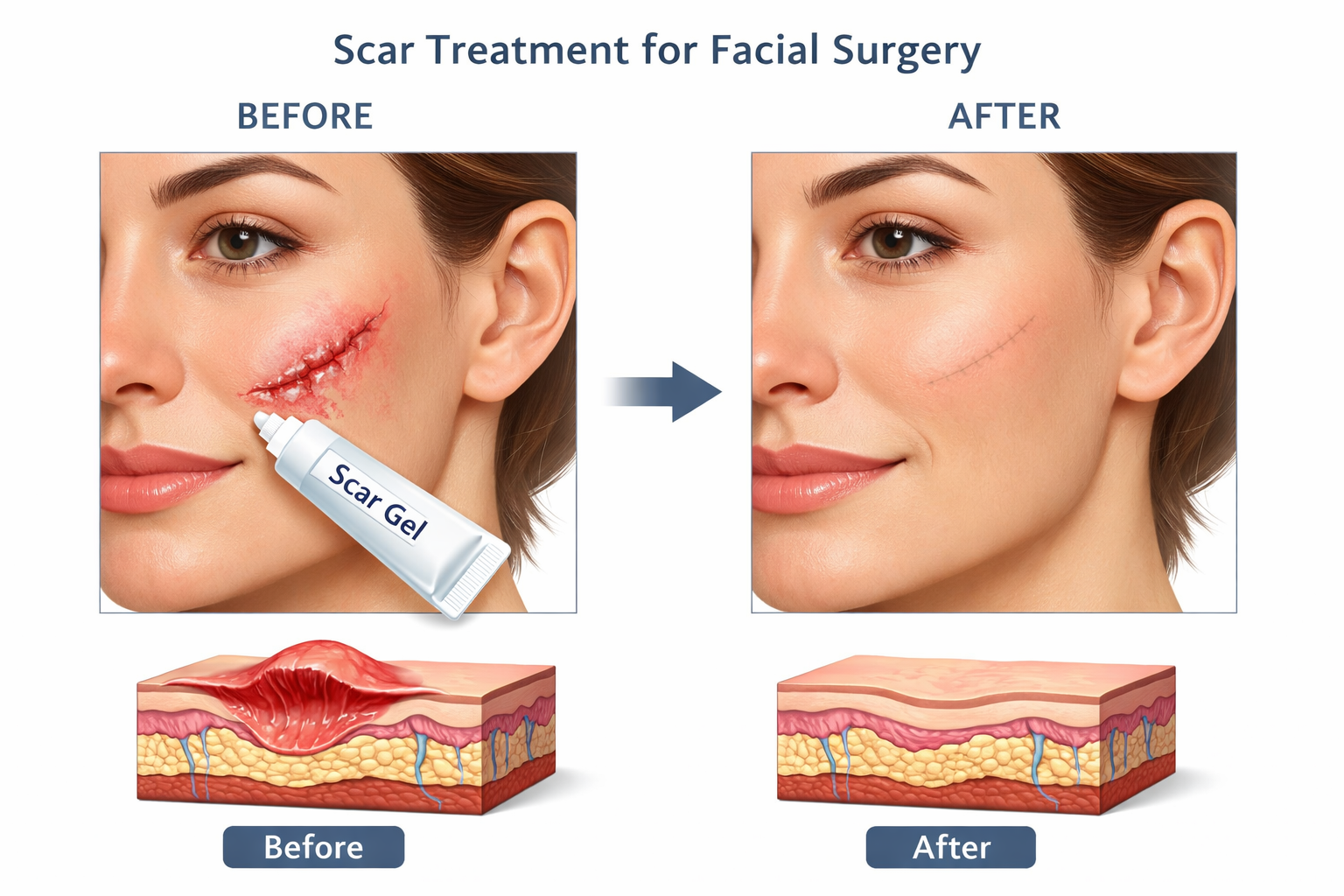
The gel’s efficacy lies in its unique triple-action formula, which targets the biological processes of scar formation:
- Extractum Cepae (Onion Extract): Provides potent anti-inflammatory and bactericidal properties while preventing the overgrowth of connective tissue.
- Heparin: Softens the tissue structure, possesses anti-inflammatory properties, and promotes cell regeneration by increasing hydration.
- Allantoin: Encourages wound healing, has a soothing effect, and relieves the itching that often accompanies the healing of facial incisions.
How Contractubex Works on Facial Scars
When searching for the best scar gel after surgery, understanding the mechanism of action is vital. Contractubex works through several physiological pathways to ensure the skin heals as smoothly as possible:
Anti-inflammatory Effect
By reducing inflammation at the site of the incision, the gel prevents the excessive recruitment of fibroblasts, which helps stop the overproduction of scar tissue from the outset.
Collagen Remodeling
It helps regulate the production of collagen fibers. Instead of forming the disorganized, bulky clumps characteristic of hypertrophic scars, it encourages a more organized alignment of fibers.
Hydration and Softening
The formulation increases the water-binding capacity of the scar tissue. This hydration makes the scar more supple, flatter, and closer to the texture of the surrounding healthy skin.
Indications for Use
Contractubex for facial scars is versatile and indicated for various conditions, including:
- Post-surgical incisions: Such as those from mole removal, cyst excision, or facelift incisions.
- Acne scars: Particularly effective for inflammatory acne marks.
- Hypertrophic scars and Keloids: Helping to flatten raised tissue and reduce redness.
When and How to Use Contractubex
Timing is everything in scar management. You should begin application only after the wound has completely closed and any sutures have been removed. Typically, this is 7 to 14 days post-surgery.
Application Technique: Apply a thin layer of the gel to the scar tissue and massage it gently into the skin until fully absorbed. For facial scars, a light, circular motion is recommended to help the active ingredients penetrate deeply.
Frequency and Duration: For optimal results, apply the gel 2 to 3 times daily. Consistency is key; treatment usually lasts several weeks for fresh scars, while older or harder scars may require several months of diligent application.
Effectiveness: What Does Evidence Say?
Clinical studies and real-world outcomes generally support the use of Contractubex. Research indicates it significantly improves scar height, color, and pliability. However, it is important to manage expectations: while it is highly effective for many, results on facial scars can vary based on skin type and the nature of the original wound. It is most effective when started early in the remodeling phase of healing.
Contractubex vs Other Scar Treatments
While Contractubex is a popular choice, it is often compared to other modalities:
- Silicone Gel/Sheets: Often considered the gold standard for preventing keloids by providing occlusion.
- Steroid Injections: Typically reserved for thick, stubborn keloids to flatten the tissue quickly.
- Laser Therapy: Excellent for reducing persistent redness (vascularity) and resurfacing skin texture.
- PRP or Microneedling: Often used for atrophic (pitted) scars to stimulate new collagen from within.
Precautions and Side Effects
Contractubex is generally well-tolerated, even on the sensitive skin of the face. However, some users may experience mild skin irritation, redness, or a slight tingling sensation. If a persistent rash develops, discontinue use. Always avoid applying the gel to open wounds, mucous membranes, or the area immediately surrounding the eyes.
Expert Tips for Better Scar Healing
- Sun Protection: UV exposure can cause scars to darken permanently (hyperpigmentation). Always apply a broad-spectrum SPF over the Contractubex gel once it has dried.
- Massage: The physical action of massaging the gel helps break down dense collagen fibers and improves local circulation.
- Combining Treatments: In some cases, your dermatologist may recommend using Contractubex during the day and silicone sheets at night for maximum efficacy.
Conclusion
Contractubex remains a reliable, evidence-based recommendation for those seeking to minimize the appearance of post-surgical facial scars. By starting treatment at the right time and maintaining a consistent routine, patients can achieve smoother, flatter, and less visible results. As with any medical treatment, consult with your surgeon or dermatologist to ensure it is the most appropriate choice for your specific skin type and surgical history.
Author Attribution:
Dr. Sumit Toor, Consultant at Anant Aesthetics Clinic, Adampur & Livasa Hospital, Hoshiarpur
Website: www.anantaesthetics.com