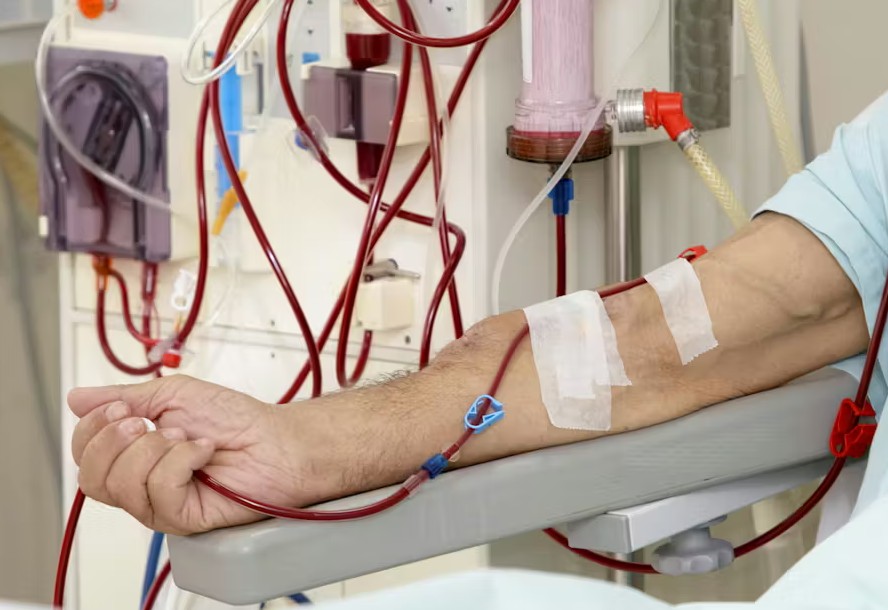

For patients navigating the challenges of kidney failure, starting dialysis can feel overwhelming. One of the most critical steps in ensuring a smooth and safe treatment journey is establishing a reliable way to connect the body to the dialysis machine. This is known as vascular access. Among the various options available, the Arteriovenous Fistula (AVF) is widely considered the gold standard for long-term haemodialysis.
Understanding Kidney Failure and the Need for Dialysis
Healthy kidneys work 24/7 to filter waste products and excess fluids from your blood. When kidneys fail (Chronic Kidney Disease or CKD), these toxins build up in the body, which can be life-threatening. Haemodialysis is a life-saving treatment that uses a machine to act as an artificial kidney, cleaning your blood and returning it to your body.
The Importance of Vascular Access
To perform haemodialysis, doctors need a way to remove blood from the body, send it through the filter, and return it safely. This requires a "vascular access"—a site on your body where blood can be easily and repeatedly accessed. A high-quality access point ensures that enough blood flows to the machine to make the treatment effective.
What is an Arteriovenous Fistula (AVF)?
An AV fistula is a surgical connection made between an artery (which carries oxygen-rich blood from the heart) and a vein (which carries blood back to the heart). This connection is usually created in the arm, either in the forearm or upper arm.