
Understanding Rhinoplasty: Enhancing Facial Harmony
Rhinoplasty, commonly known as a "nose job," is a specialized procedure designed to reshape the nose to improve its appearance, function, or both. As the central feature of the face, the nose plays a vital role in facial symmetry. Today, patients seeking nasal enhancement have two primary options: Liquid Rhinoplasty and Surgical Rhinoplasty. While both aim to create a more balanced look, they differ significantly in technique, longevity, and the types of concerns they can address.
What is Liquid Rhinoplasty?
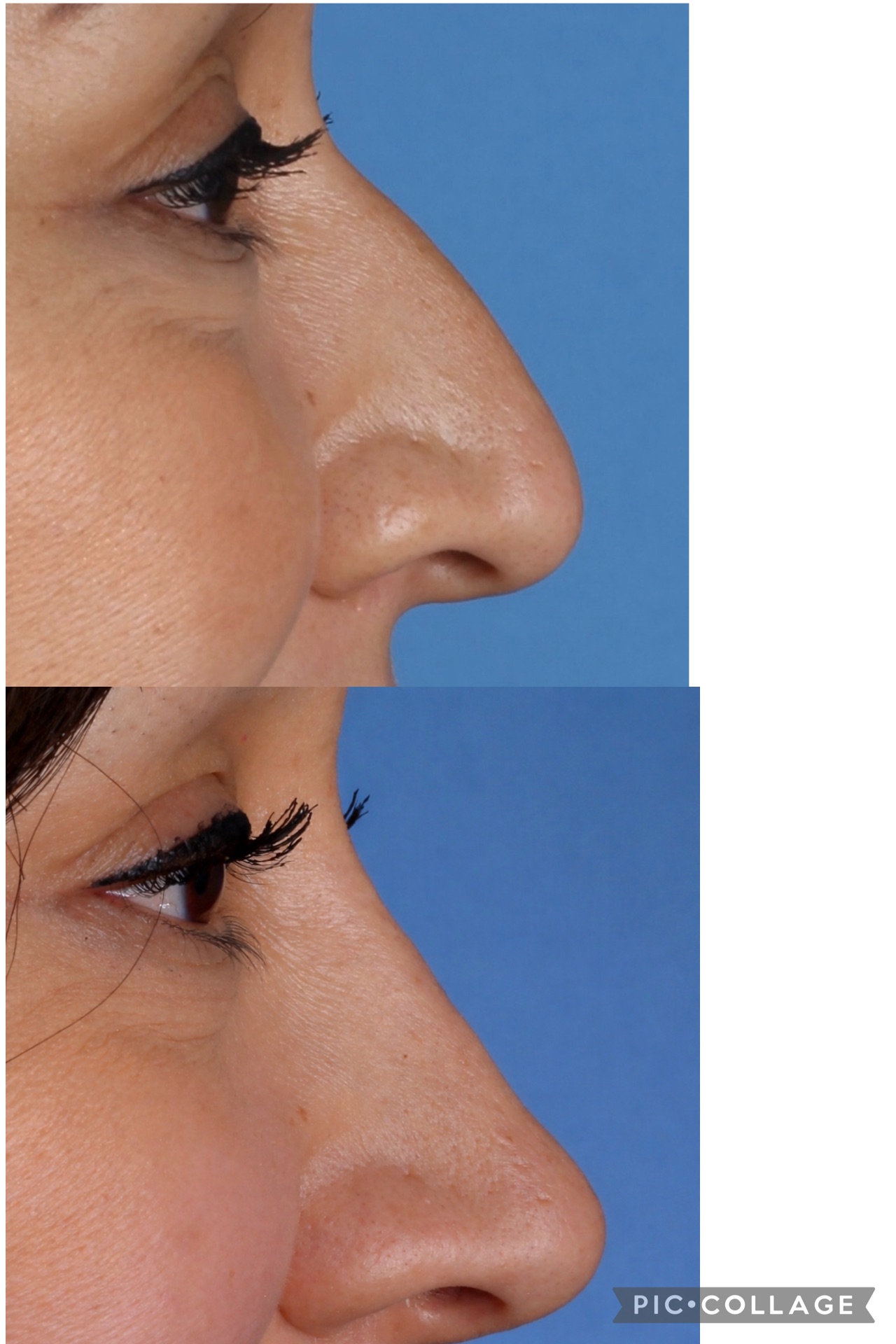
Liquid rhinoplasty is a non-surgical, minimally invasive procedure that uses injectable dermal fillers—typically hyaluronic acid—to temporarily alter the shape of the nose. This method is often referred to as a "15-minute nose job" because of its speed and lack of downtime. It is an excellent option for patients looking to camouflage a dorsal hump, refine the nasal tip, or correct minor asymmetries without undergoing surgery.
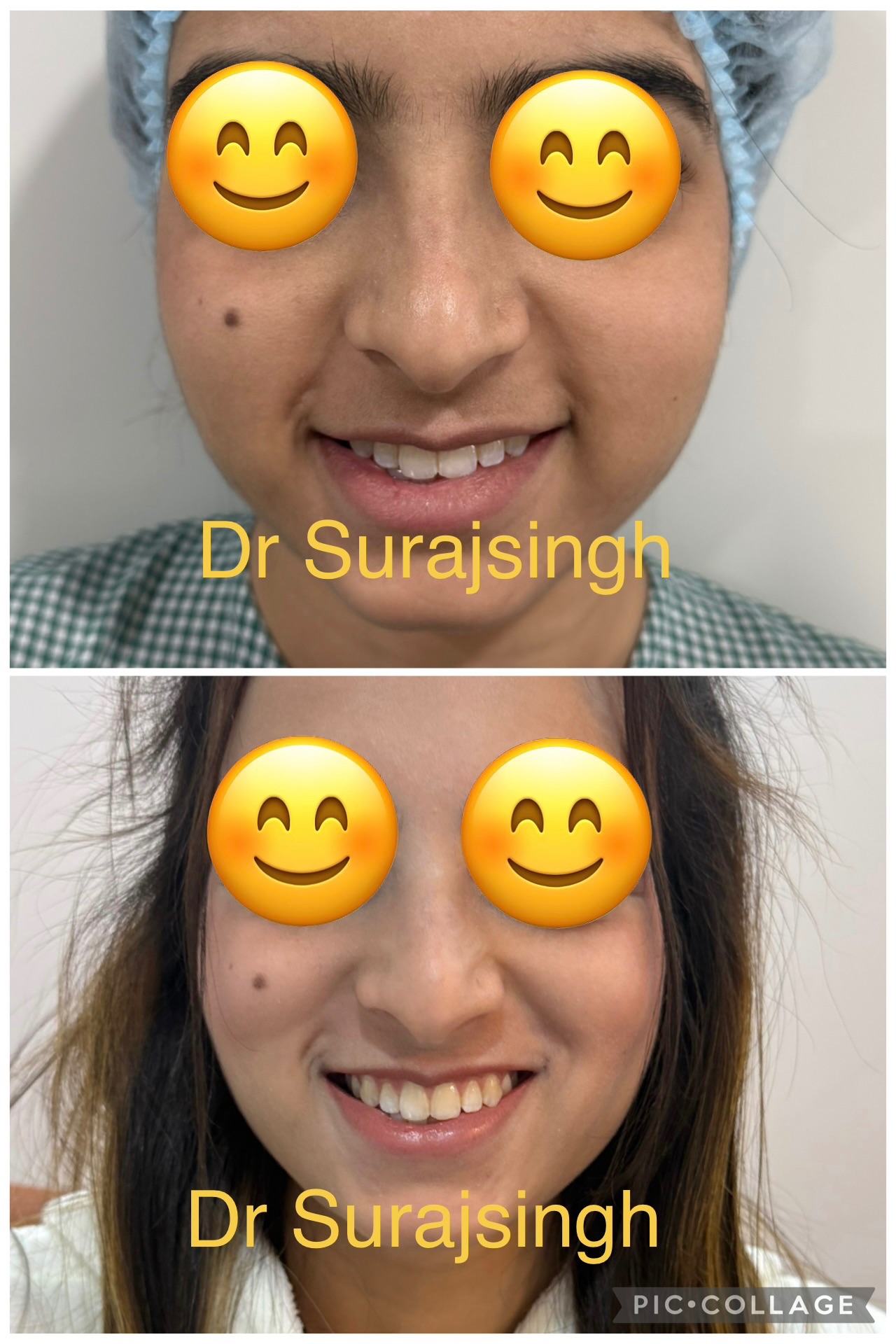
The results of a liquid rhinoplasty are visible almost instantly, making it a popular choice for those who want immediate refinement with minimal interruption to their daily lives.
What is Surgical Rhinoplasty?
Surgical rhinoplasty is a traditional cosmetic surgery that involves modifying the underlying bone and cartilage of the nose. Unlike the liquid version, surgery can address both the size and the internal structure of the nose, making it the gold standard for patients who require significant reshaping or have functional issues, such as a deviated septum that impairs breathing.
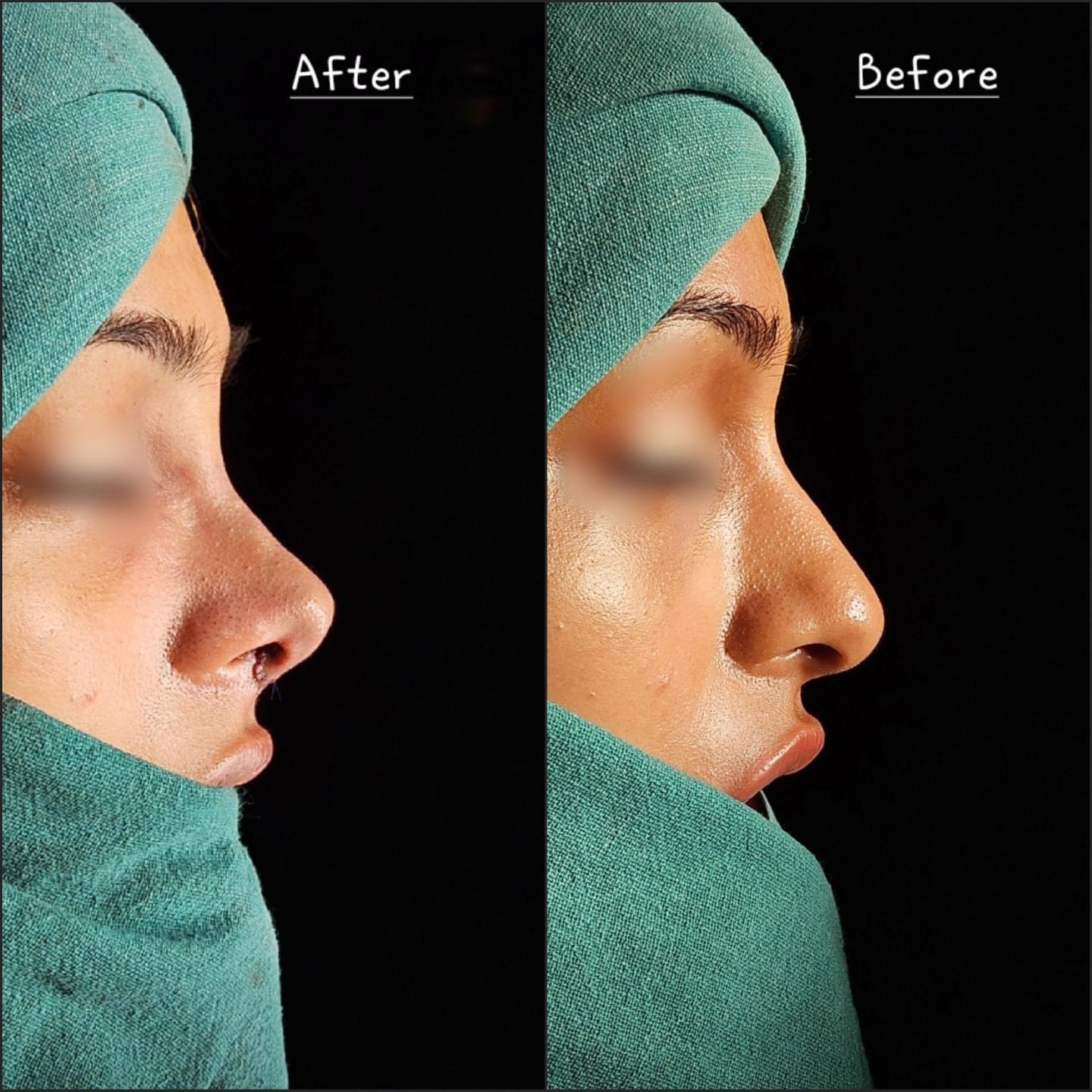
Because surgical rhinoplasty involves physical changes to the nasal framework, the results are permanent and can provide a comprehensive transformation that fillers simply cannot achieve.
Key Differences and Ideal Candidates
Choosing between these two options depends largely on your aesthetic goals and anatomical needs. Here is a breakdown of who is best suited for each:
- Liquid Rhinoplasty Candidates: Ideal for individuals with minor imperfections, such as a small bump on the bridge or a slightly drooping tip. It is also a great "trial" for those considering surgery but who want to see a temporary change first.
- Surgical Rhinoplasty Candidates: Best for those seeking to reduce the overall size of the nose, narrow the nostrils, or correct structural breathing problems. It is the only option for those wanting a smaller nose, as fillers can only add volume to camouflage dips.
The Importance of a Board-Certified Plastic Surgeon
Regardless of which path you choose, the expertise of a board-certified plastic surgeon is essential. A surgeon possesses a deep understanding of nasal anatomy and facial proportions. During a consultation, a plastic surgeon can provide an unbiased recommendation, explaining whether your goals are achievable with fillers or if surgery is necessary for a safe and satisfying outcome. Their clinical judgment ensures that the procedure—whether liquid or surgical—is performed with the highest safety standards to avoid complications like vascular compromise or unsatisfactory aesthetics.
Pros and Cons to Consider
Every procedure has its trade-offs. Liquid rhinoplasty offers the benefit of no downtime and immediate results, but the effects are temporary (lasting 6 to 18 months) and it cannot make a nose smaller. There are also rare but serious risks, such as skin necrosis, if the filler is injected incorrectly.
Surgical rhinoplasty provides a permanent solution and can fix breathing issues, but it requires anesthesia and a significant recovery period. While the results are long-lasting, the final shape of the nose may not be fully visible for up to a year as the swelling subsides.
Procedure Time and Recovery
The time commitment for each procedure varies greatly:
- Liquid Rhinoplasty: The procedure takes about 15 to 30 minutes. There is virtually no recovery time; patients can usually return to work or social activities immediately, though some minor bruising or swelling may occur.
- Surgical Rhinoplasty: The surgery typically takes 2 to 4 hours. Recovery involves wearing a nasal splint for about a week. Most patients can return to work after 10 days, but strenuous exercise should be avoided for several weeks.
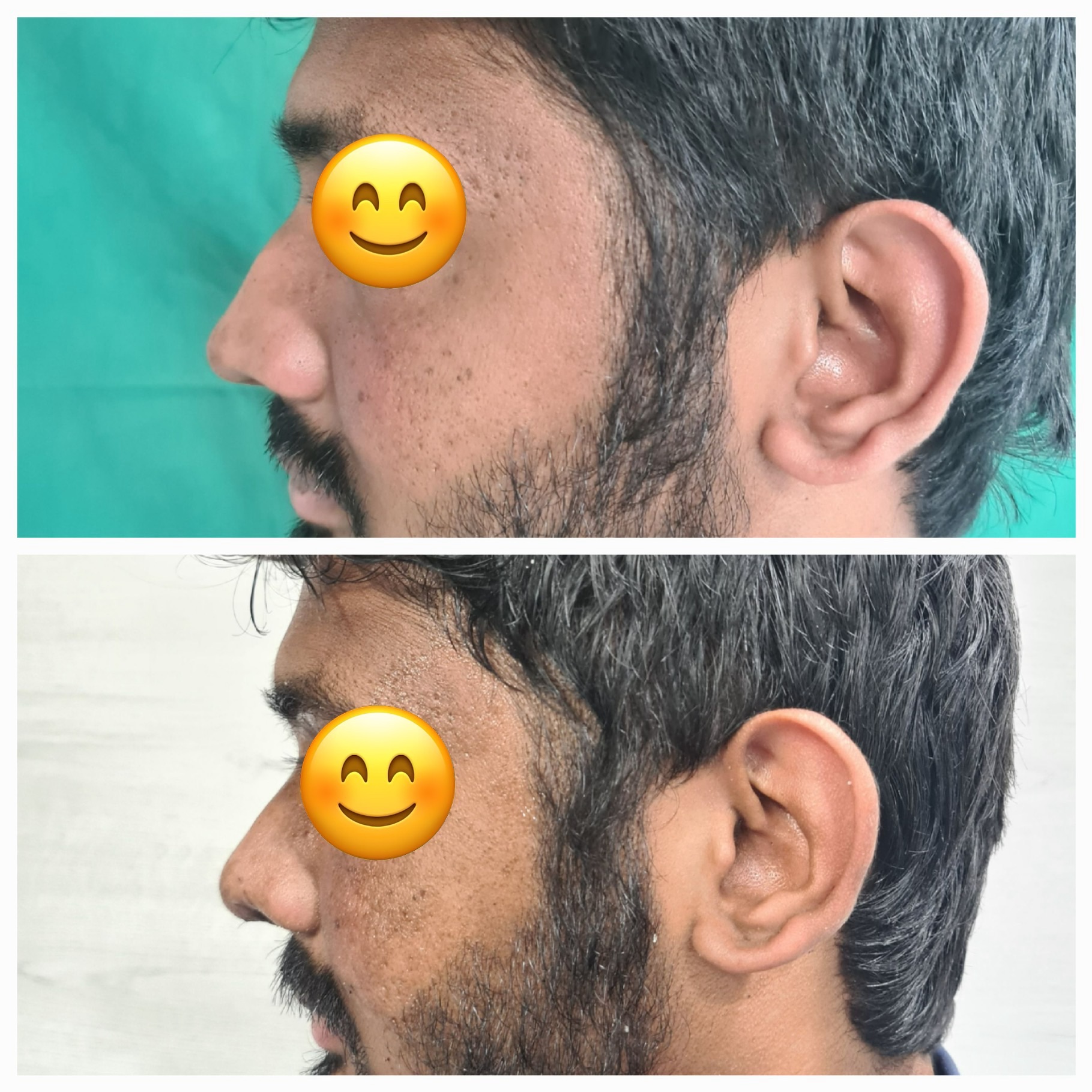
Both procedures yield exceptional results when performed by a skilled professional. While liquid rhinoplasty offers a quick fix for minor concerns, surgical rhinoplasty remains the definitive choice for permanent, structural transformation.