

Understanding Lipomas and Multiple Lipomatosis
A lipoma is a slow-growing, fatty lump that is most often situated between your skin and the underlying muscle layer. These growths are typically soft to the touch, move easily with slight finger pressure, and are generally non-cancerous (benign). While many people may only ever develop a single lipoma, others may experience a condition known as multiple lipomatosis, where numerous fatty tumors appear across various parts of the body.
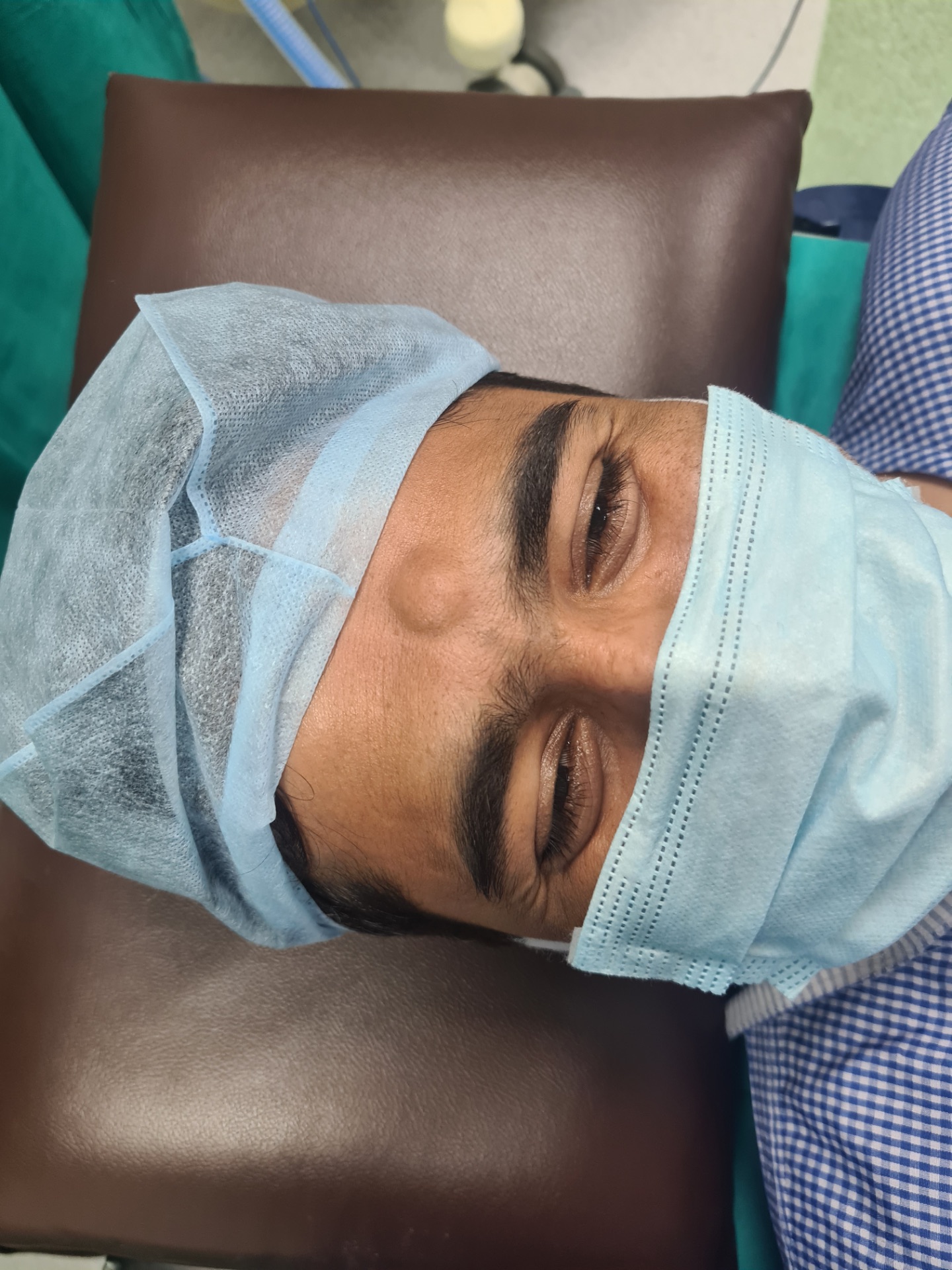
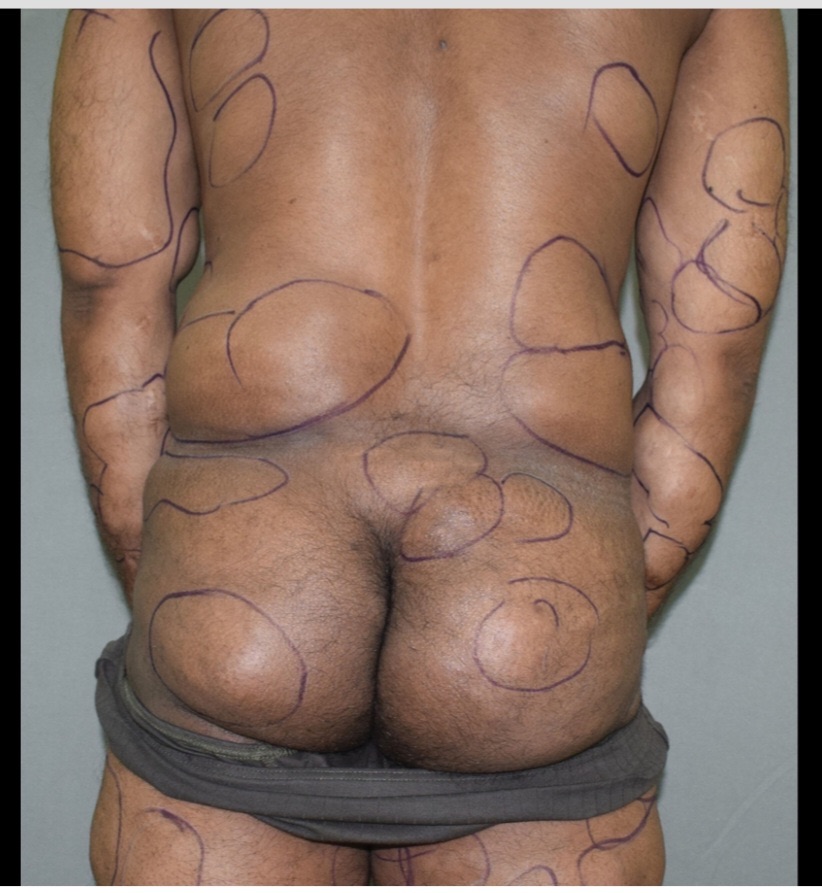
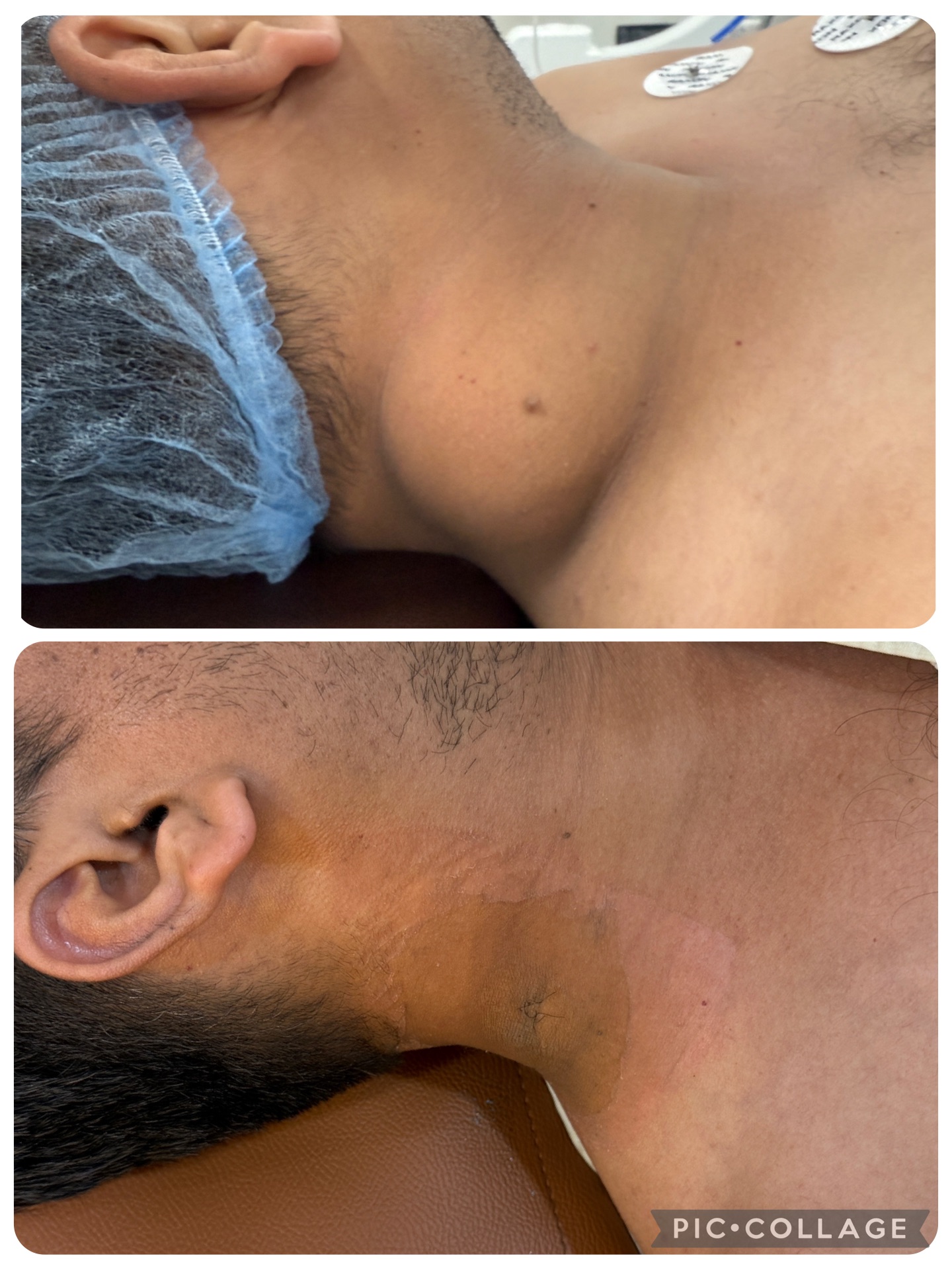
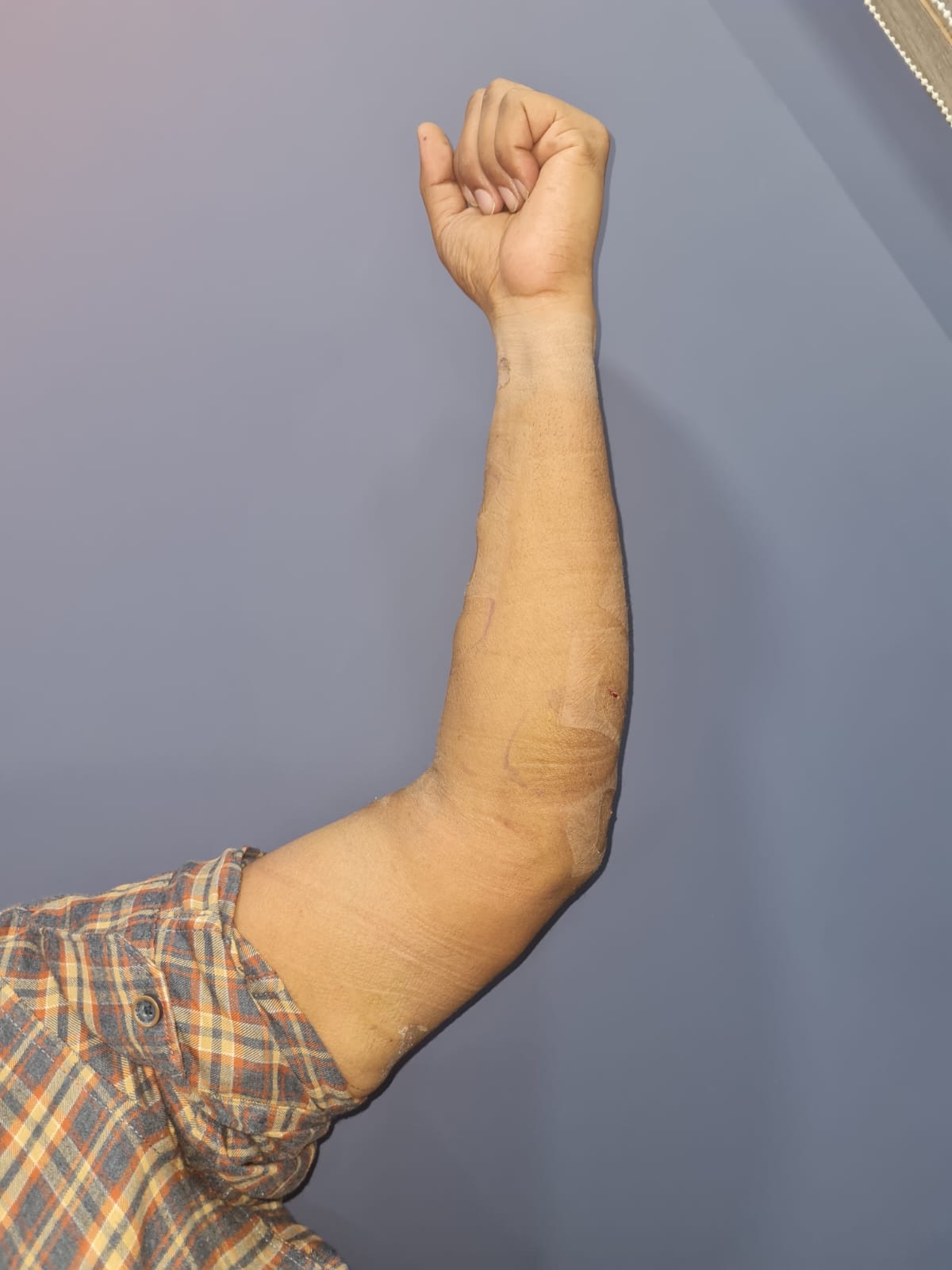
Multiple lipomatosis can be more than just a physical concern; it often affects a person's self-image and comfort, as these lumps can appear on the trunk, limbs, and even the neck, sometimes numbering in the dozens.
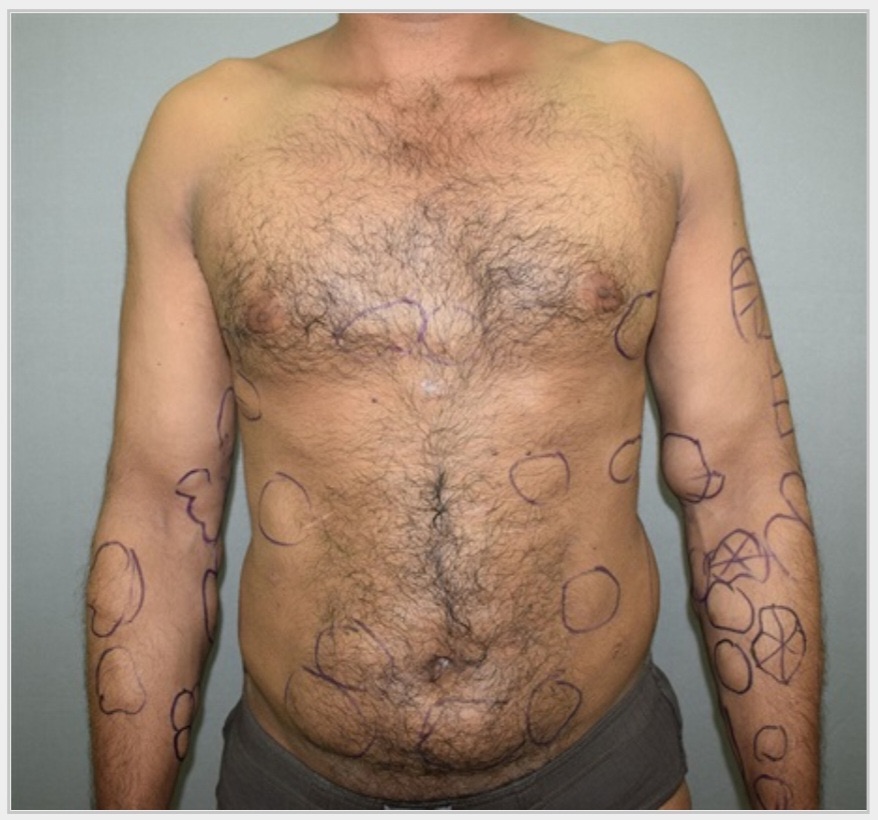
Why Do Lipomas Form?
The exact cause of lipomas is not always clear, though genetics often play a significant role. If your parents had them, you are more likely to develop them as well. In medical terms, the etiopathology involves the overgrowth of fat cells within a thin, fibrous capsule. There are several types of lipomas, including:
- Conventional lipomas: The most common type, made of mature white fat.
- Angiolipomas: These contain a large number of blood vessels and are often more painful.
- Fibrolipomas: These contain fat and fibrous tissue.
- Spindle cell lipomas: Often found on the backs, necks, and shoulders of older men.
The Dilemma: To Remove or Not to Remove?
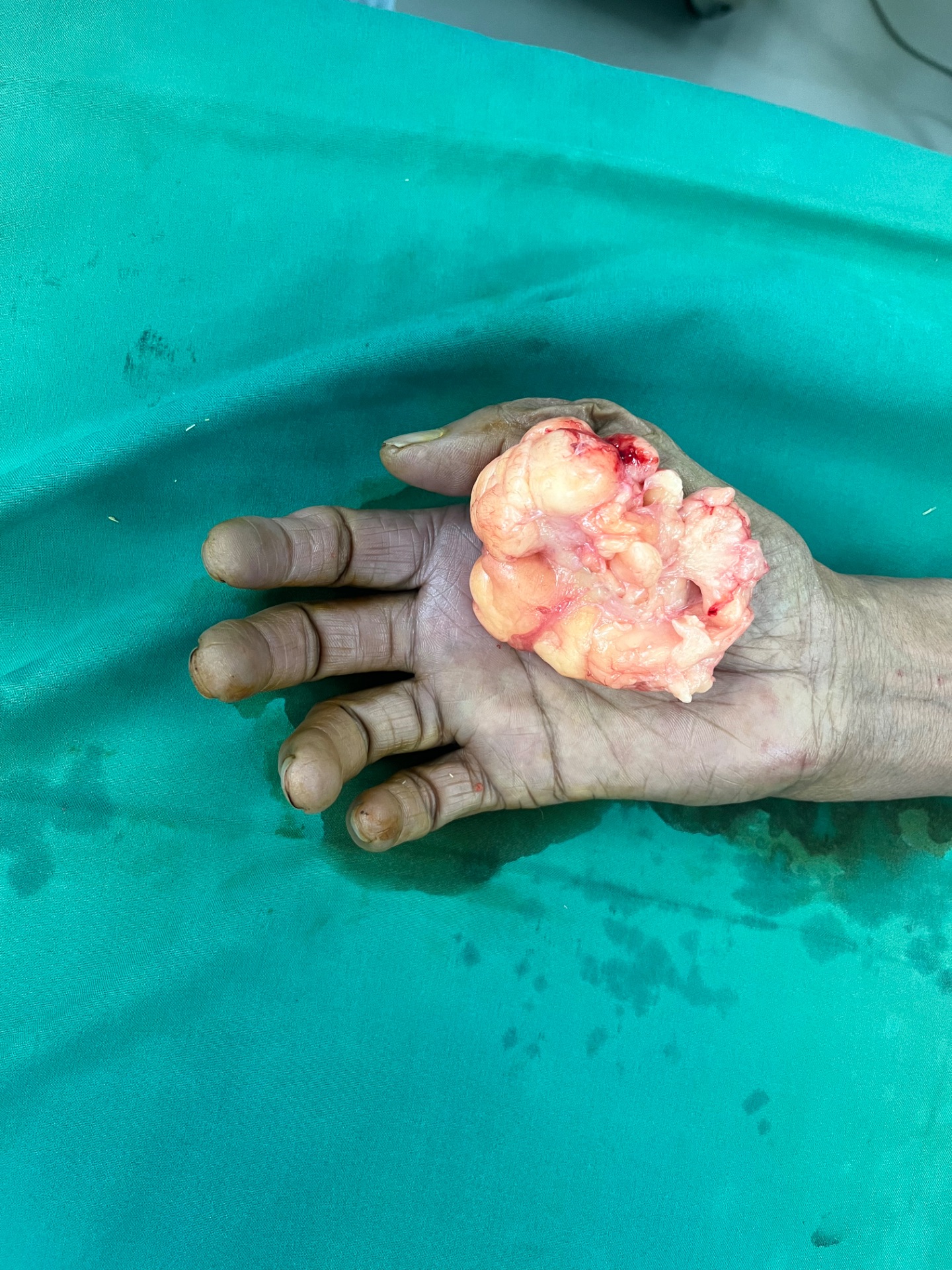
Many patients find themselves in a state of confusion when they first notice a lipoma. Because they are usually painless and benign, the initial advice is often to "leave it alone." However, this can lead to a cycle of frustration. Many individuals spend significant time and money on alternative medications, topical creams, or various "pathy" treatments in hopes of shrinking the mass. Unfortunately, because a lipoma is a physical collection of fat cells encased in a capsule, these treatments rarely provide a permanent solution. Most patients eventually seek out a Plastic Surgeon after realizing that surgical excision is the only definitive way to remove the growth.
Criteria for Surgical Removal
While not every lipoma requires immediate surgery, there are specific criteria that suggest removal is the best course of action:
- Increasing Size: If the lump is growing noticeably larger.
- Pain or Tenderness: Especially if it is an angiolipoma or pressing on a nerve.
- Functional Discomfort: If the location interferes with movement or clothing.
- Aesthetic Disappointment: If the appearance of the lump causes self-consciousness.
- Psychological Impact: If the patient finds themselves constantly touching or worrying about the mass, impacting their mental well-being.
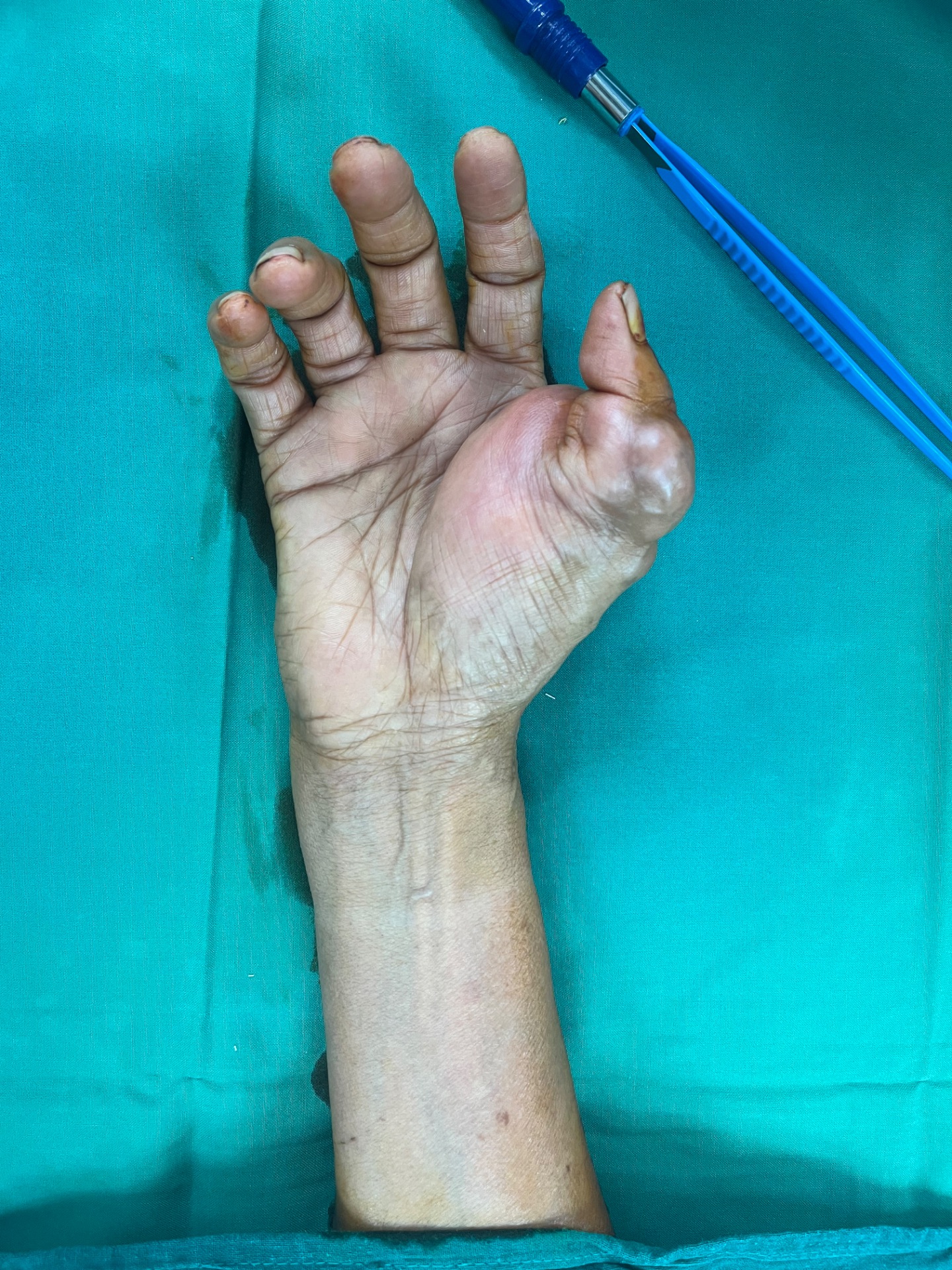
Risks of Ignoring Problematic Lipomas
Leaving a problematic lipoma untreated can lead to complications. As they grow, they can cause nerve or vessel compression, leading to chronic pain or numbness in the surrounding area. In some cases, very large lipomas can interfere with normal muscle function or become prone to localized infection if the skin over them is compromised.
The Role of Plastic Surgery and Recurrence
A common concern is whether a lipoma will grow back. When you choose a Plastic Surgeon for the procedure, the goal is complete excision. This involves removing the entire fatty mass along with its surrounding capsule. If the capsule is removed entirely, there is virtually no chance of recurrence at that specific site.
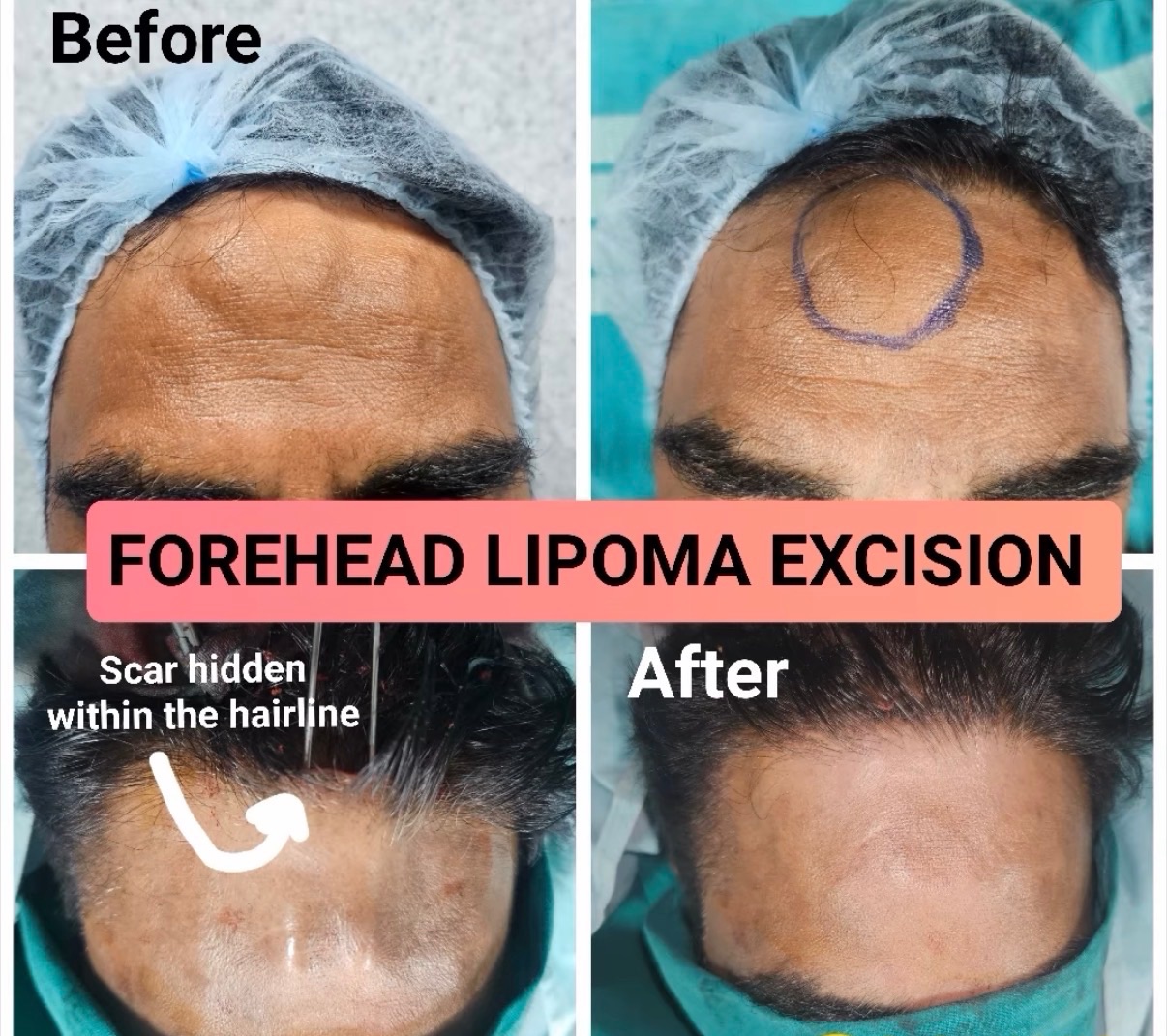
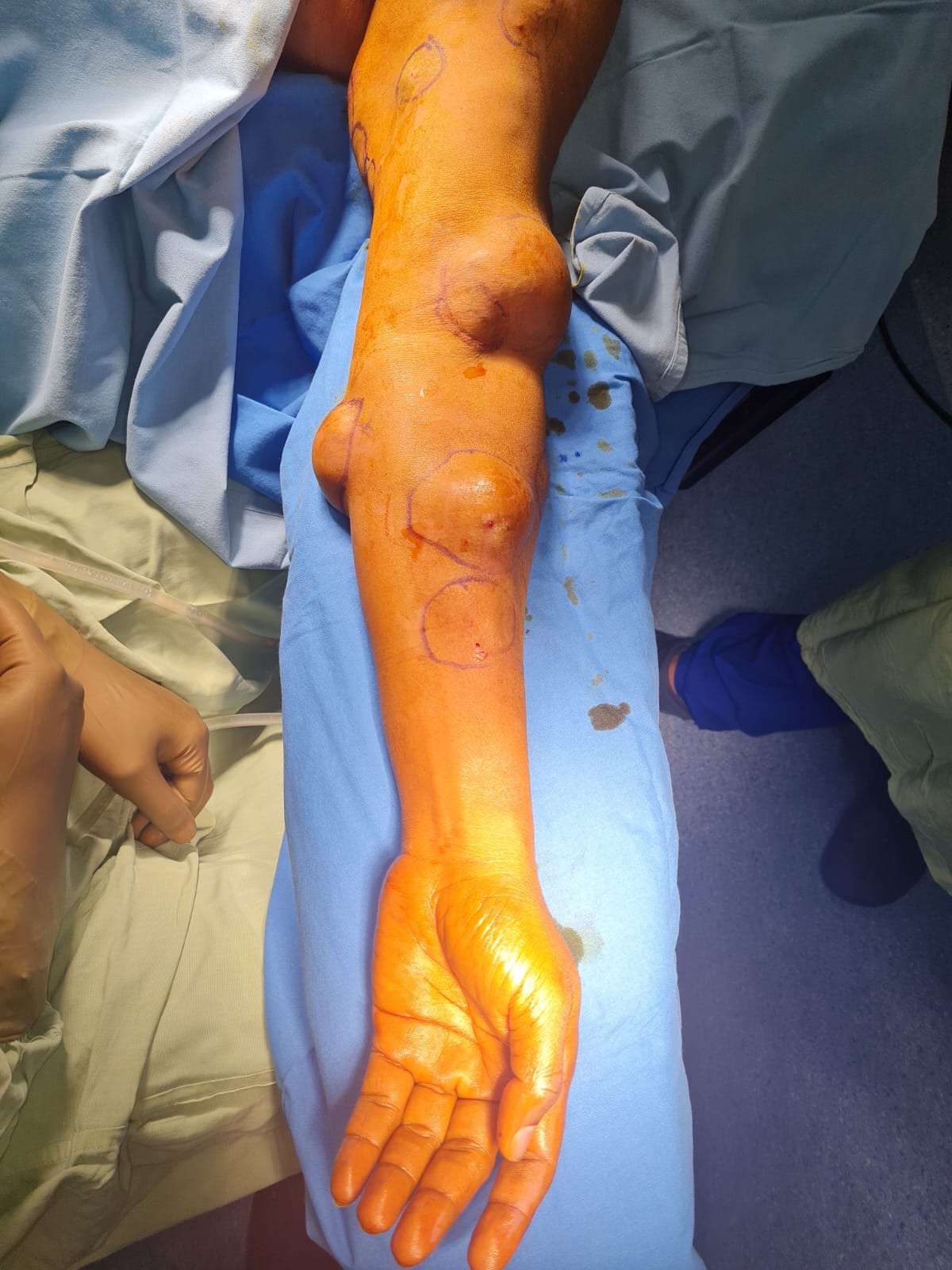
However, it is important to understand that because the underlying cause (etiology) is often systemic or genetic, new lipomas may appear at entirely different sites in the future. While a surgeon cannot change your genetic predisposition, following post-operative advice regarding diet and lifestyle may help in restricting rapid growth of existing small masses.
Achieving the Best Results
Modern plastic surgery techniques focus on minimal scarring and maximum aesthetic recovery. By using hidden incisions and specialized approaches, even giant lipomas can be removed with very little evidence of surgery left behind. If you are struggling with the physical or emotional burden of lipomas, seeking professional surgical advice is the most effective path to a clear, smooth profile.