

Understanding Lipomas: What Are They?
A lipoma is a slow-growing, fatty lump that is most often situated between your skin and the underlying muscle layer. These growths are typically soft to the touch, move easily with slight finger pressure, and are generally non-cancerous (benign). While they can develop anywhere on the body, they are frequently found on the neck, shoulders, back, abdomen, arms, and thighs.
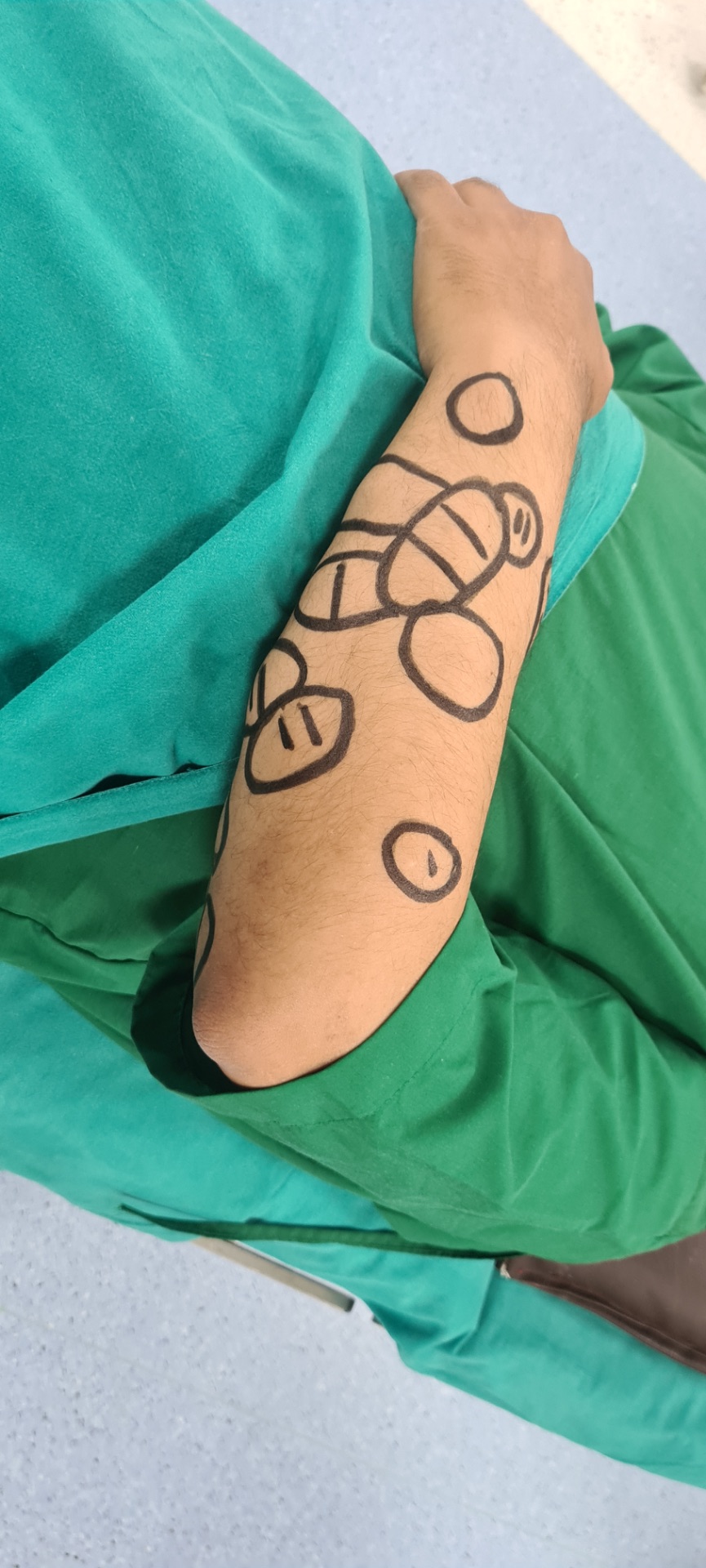
Although lipomas are usually painless, they can become uncomfortable if they grow large enough to press on nearby nerves or if they contain many blood vessels. For many patients, the primary concern is the aesthetic impact, especially when multiple lipomas appear across the body.
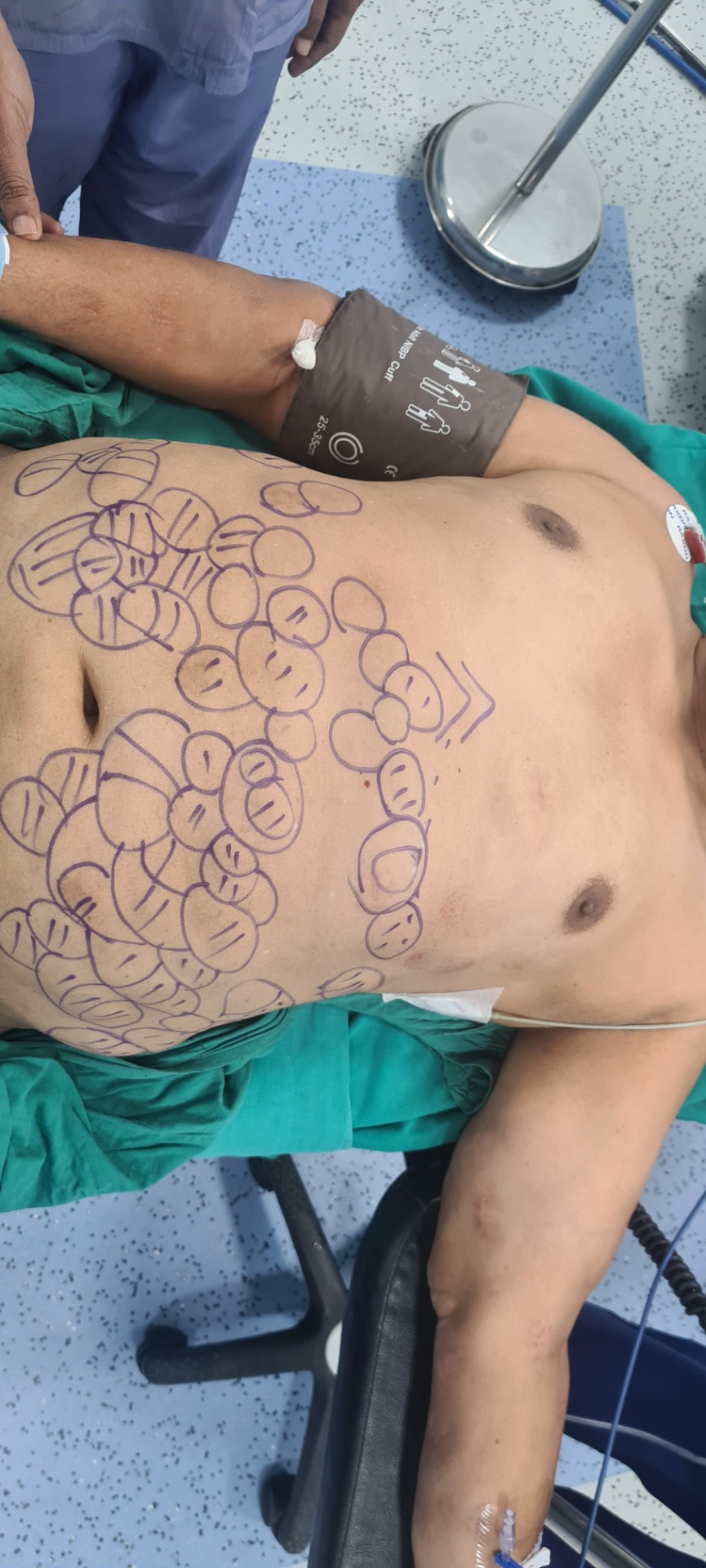
Why Surgery is the Gold Standard for Lipoma Treatment
While there are various non-surgical claims for treating fatty lumps, surgical excision remains the most effective and definitive treatment. Surgery ensures that the entire fatty tumor, including its capsule, is removed. This significantly reduces the chance of the lipoma recurring in the same spot, providing a permanent solution that other methods simply cannot guarantee.
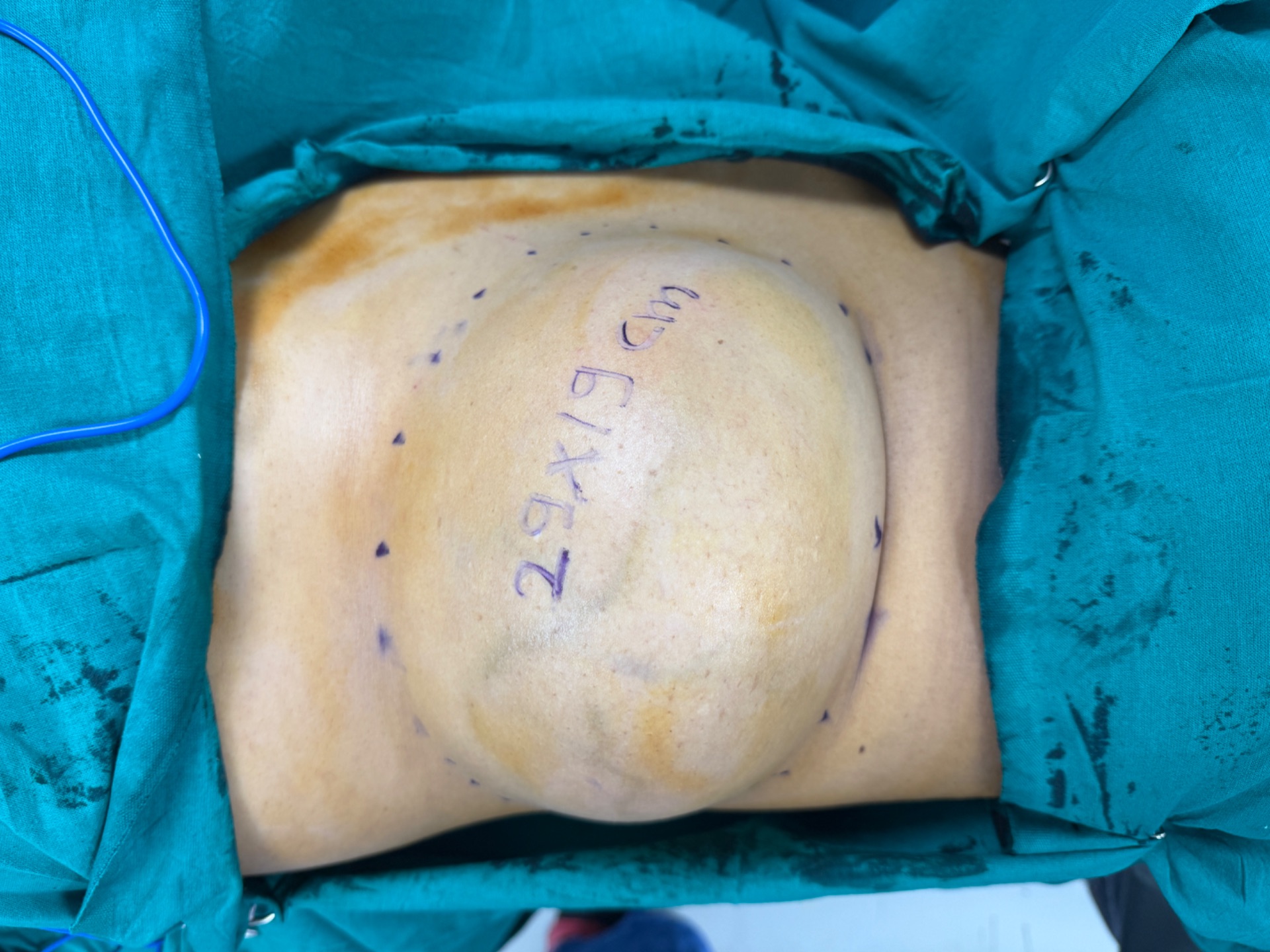
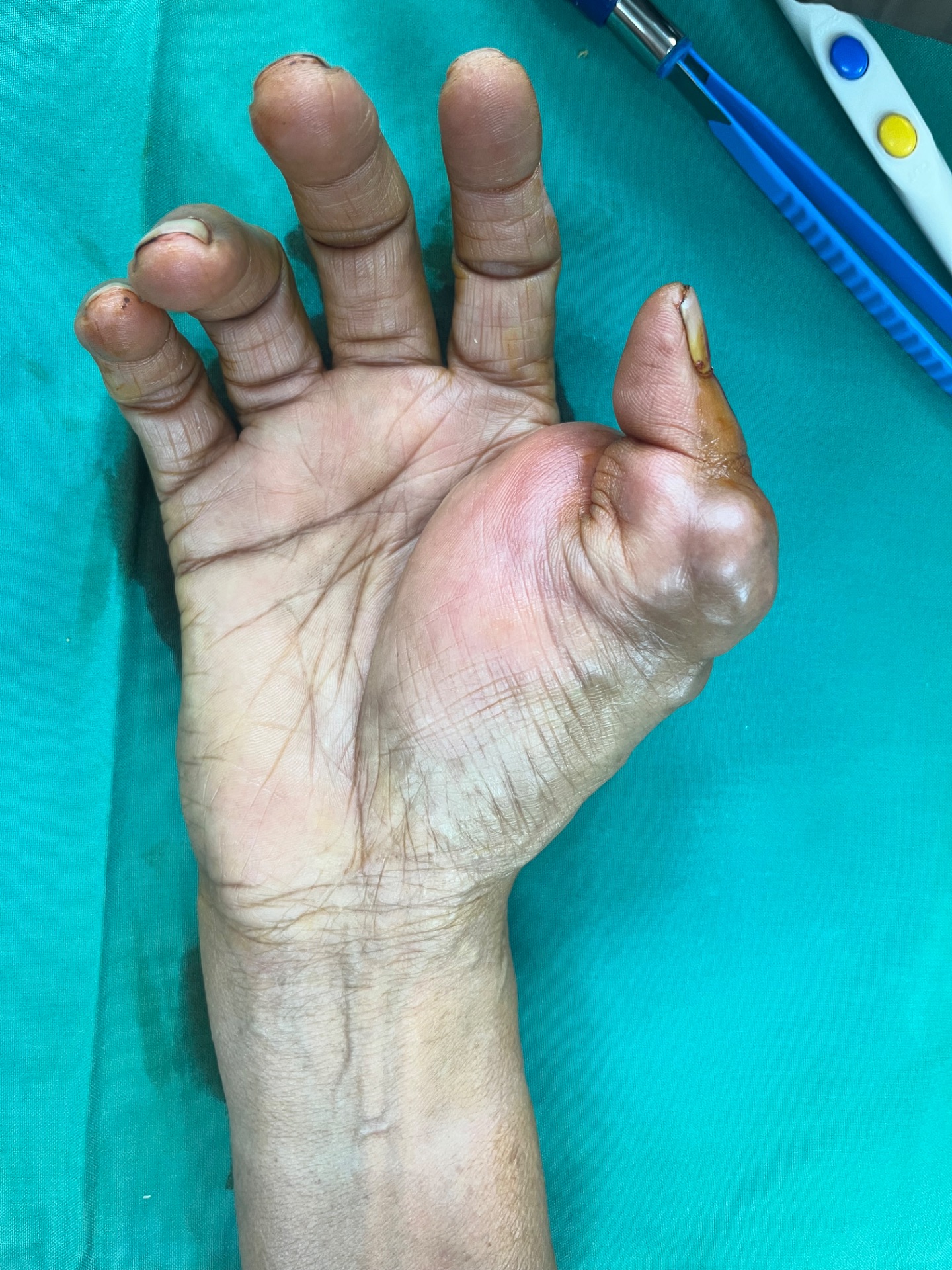
The Advantage of Choosing a Plastic Surgeon
When it comes to removing a lipoma, the technique used is just as important as the removal itself. Choosing a Board-Certified Plastic Surgeon for your lipoma excision offers several distinct advantages:
- Aesthetic Precision: Plastic surgeons are specifically trained to prioritize the final appearance of the skin, using advanced techniques to minimize scarring.
- Hidden Incisions: They utilize "hidden scar" techniques, placing incisions in natural skin folds or less visible areas.
- Tissue Preservation: A specialist knows how to remove the fatty mass while preserving the surrounding tissue to maintain a smooth body contour.
Advanced Techniques: Multiple Lipomas, Minimal Scars
One of the most impressive capabilities of modern plastic surgery is the ability to remove multiple lipomas through a single, tiny incision. Rather than making a large cut over every single lump, a plastic surgeon can often use a "tunneling" or specialized extraction technique. This allows them to reach several nearby lipomas through one small "keyhole" entry point, resulting in what many call "invisible scars."
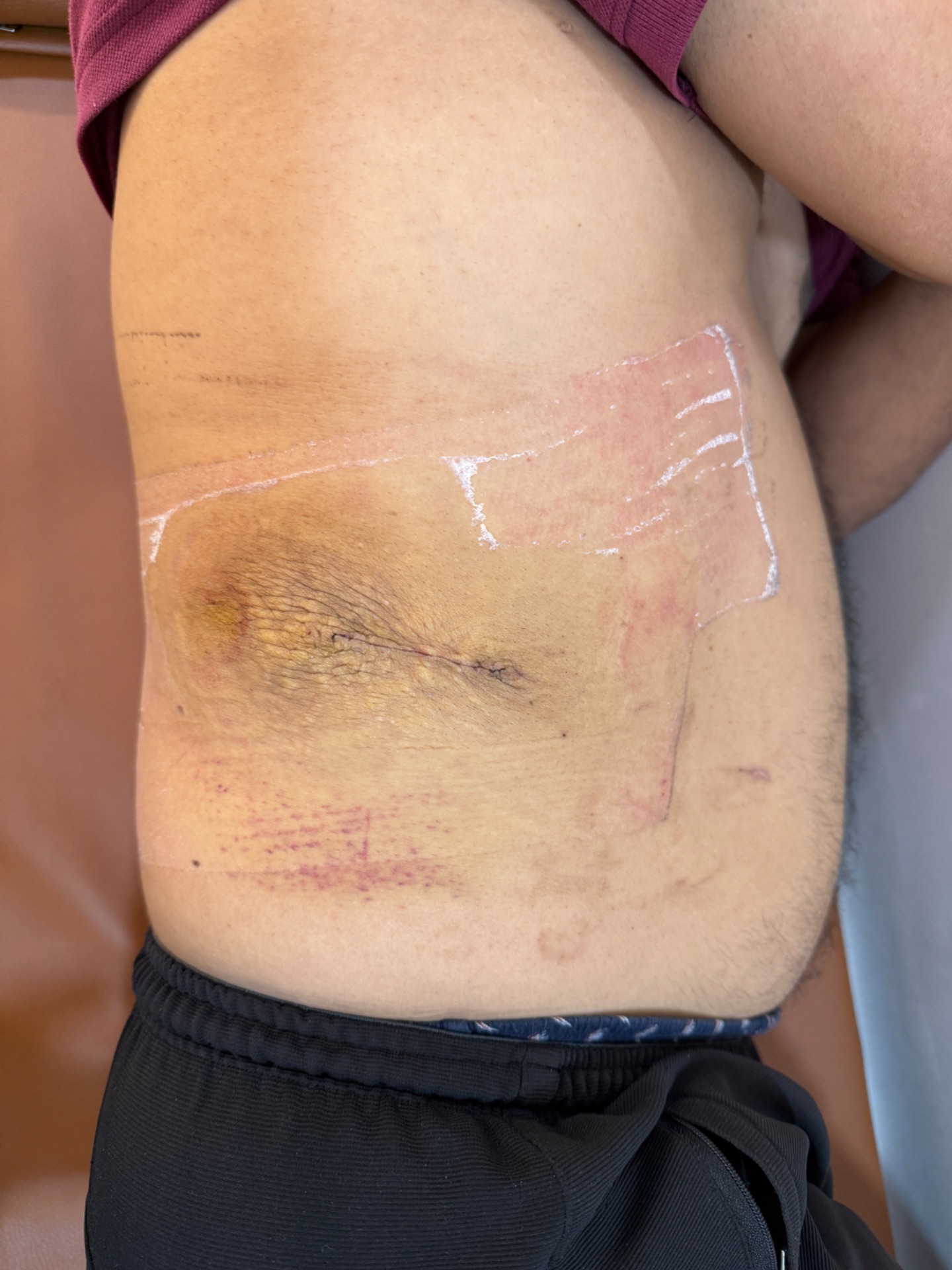
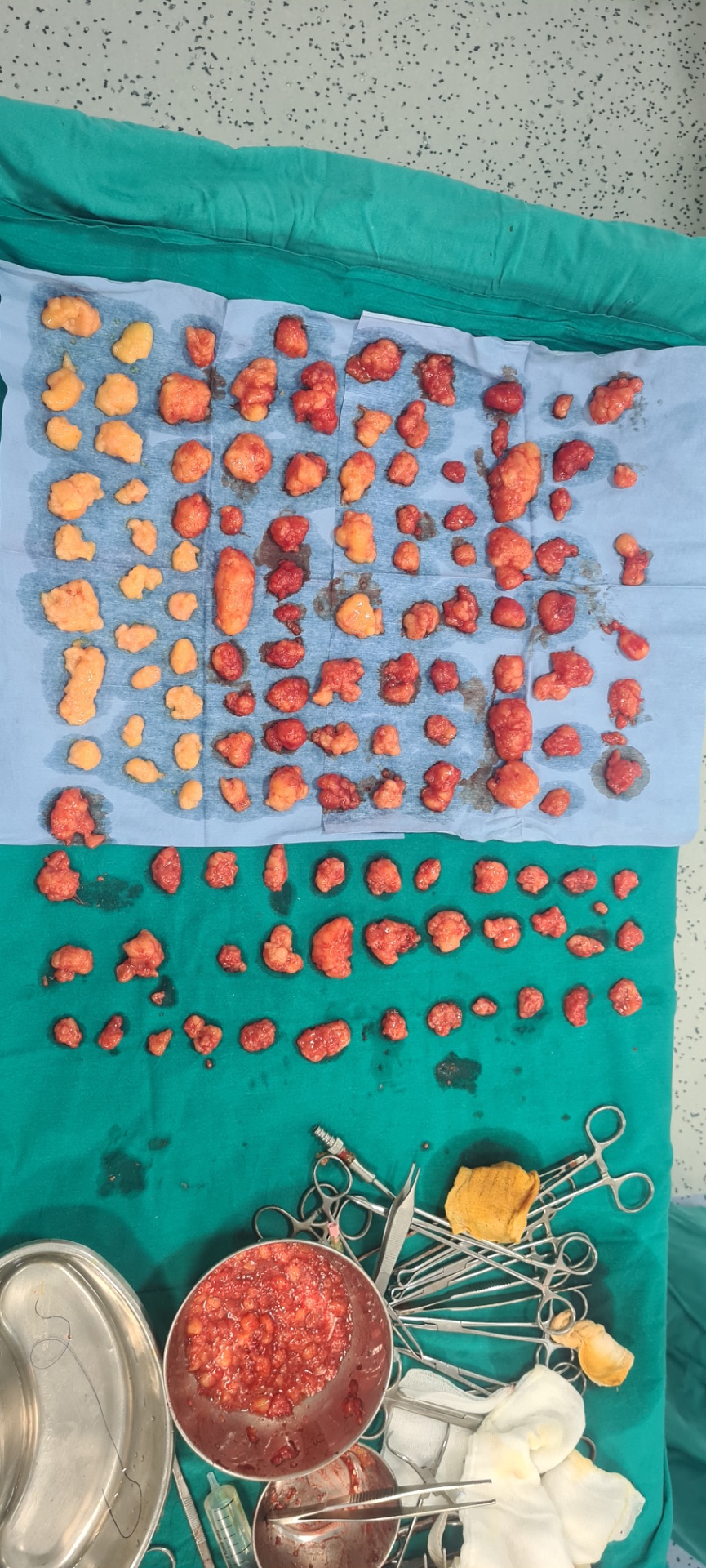
Achieving Flawless Results: Avoiding Depressions and Irregularities
A common risk with standard lipoma removal is the development of a "dent" or skin depression where the fat used to be. Plastic surgeons prevent these contour irregularities by carefully redistributing local tissue or using specialized closure techniques. This ensures that once the area heals, the skin remains flat and smooth, with no evidence that a growth was ever there.
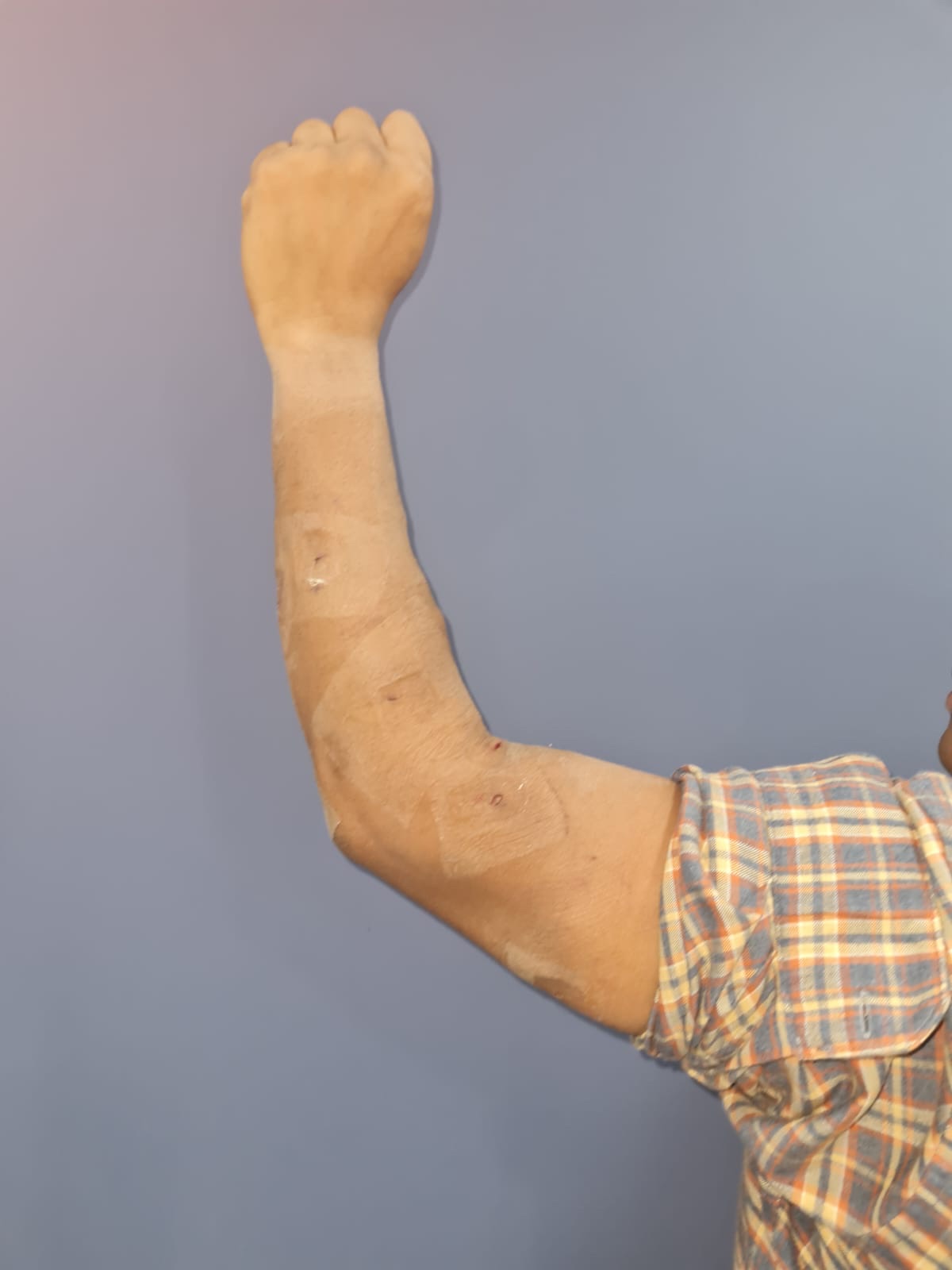
Why You Shouldn't Delay Treatment
While lipomas are benign, leaving them untreated can lead to complications. Over time, lipomas can grow to significant sizes, making them more difficult to remove and potentially interfering with muscle function or causing chronic pain. Furthermore, while rare, any rapidly growing lump should be evaluated by a professional to rule out liposarcoma, a rare form of cancer that can mimic a standard lipoma.
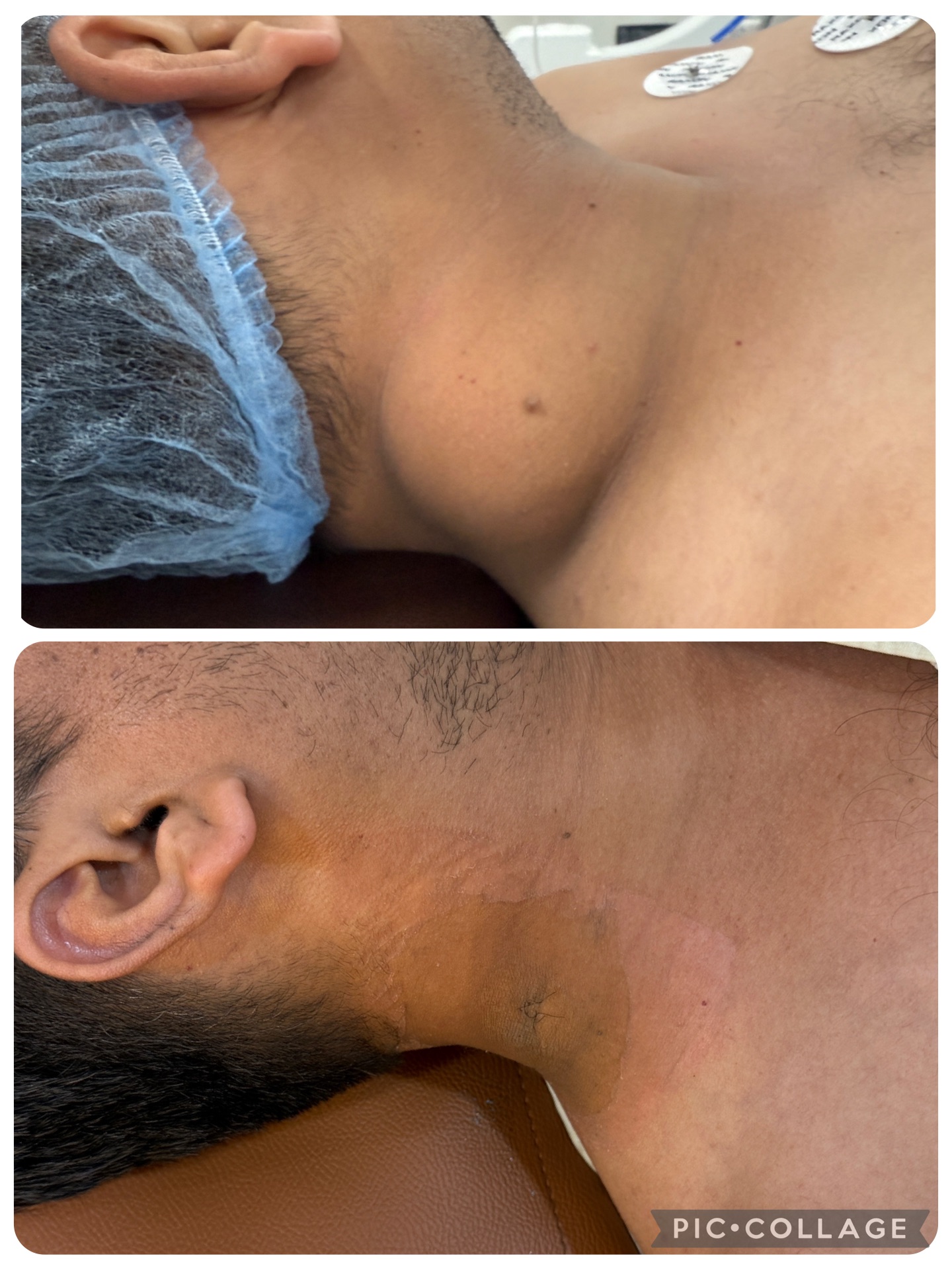
Removing Large Lipomas Through Millimeter Incisions
It is a common misconception that a large lipoma requires a large scar. Even when a lipoma has grown to a substantial size, a skilled plastic surgeon can often perform the extraction through an incision measuring only a few millimeters. By using specialized instruments to break down or carefully maneuver the fatty mass, they can deliver exceptional results without the need for extensive stitching.
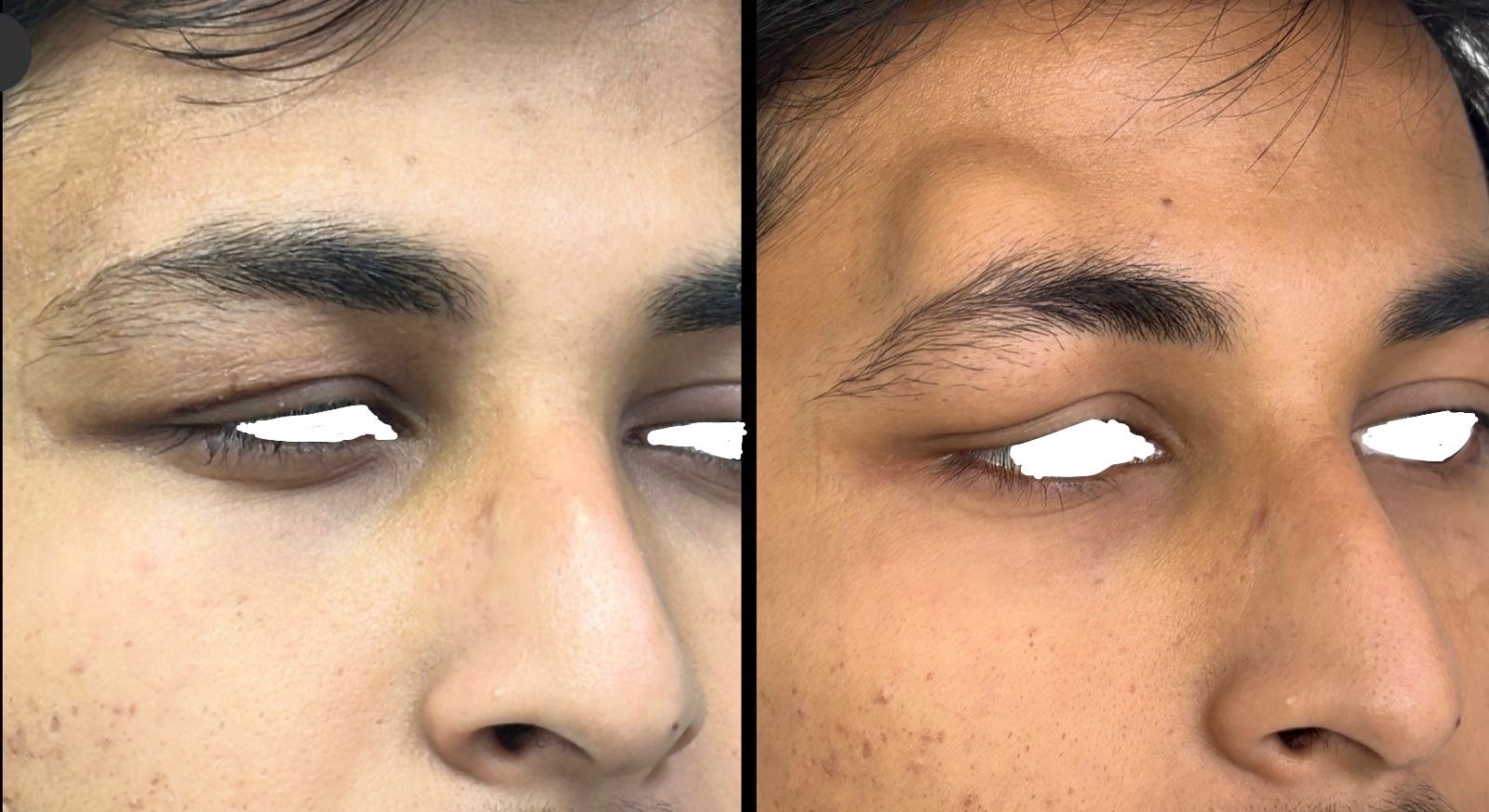
The Risks of Non-Specialized Treatment
Seeking treatment from a non-plastic surgeon or a general practitioner who lacks aesthetic training can lead to sub-optimal outcomes. Common issues include recurrent lipomas (if the capsule isn't fully removed), thick or "railroad" scars, and permanent skin depressions. To ensure your skin looks its best, always consult a specialist who focuses on both the medical removal and the aesthetic restoration of the treatment area.