
Understanding Keloids and Their Impact
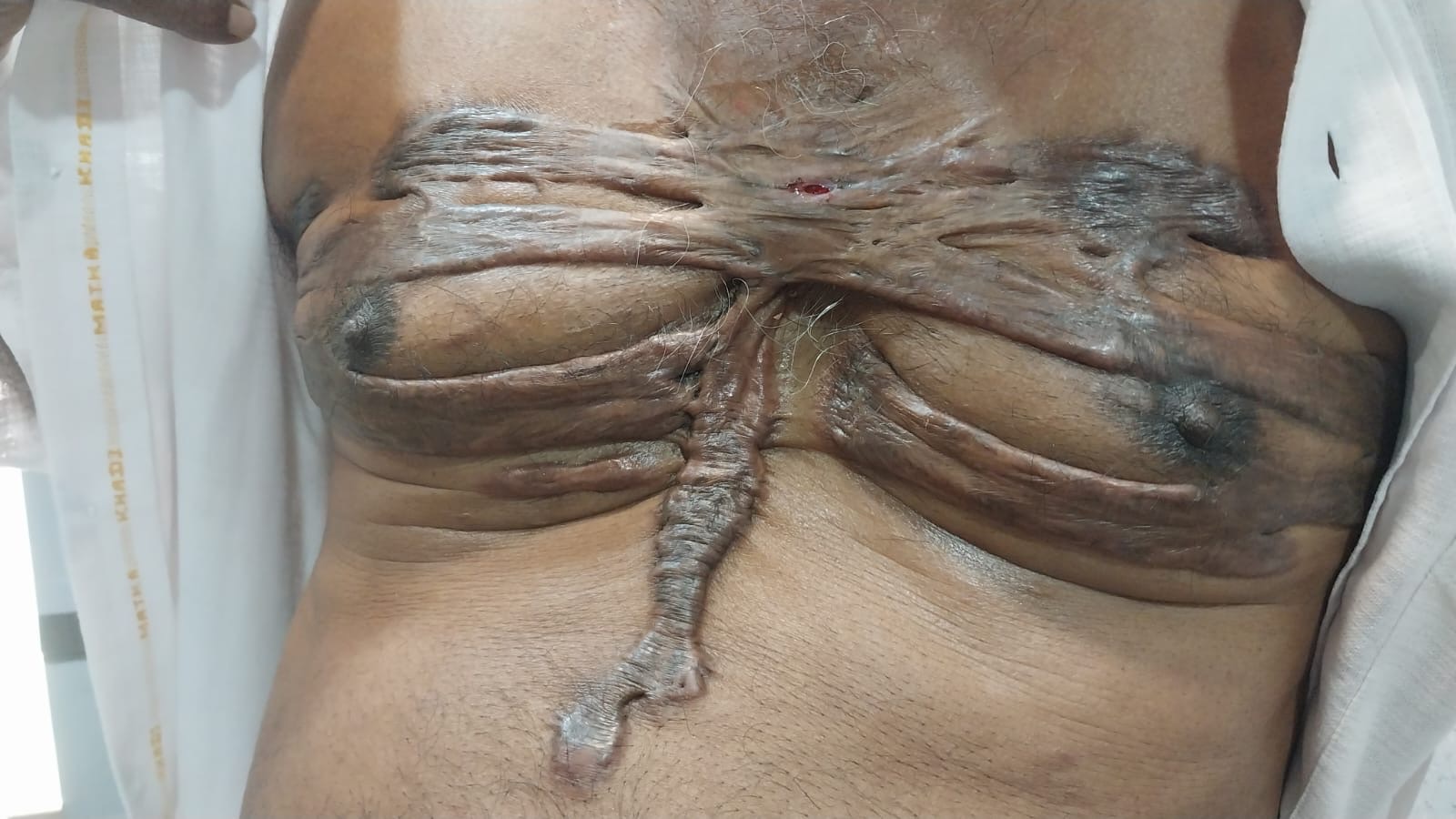
A keloid is a type of raised scar that occurs when the body overreacts during the healing process. Unlike typical scars, keloids grow beyond the boundaries of the original injury, becoming thick, rubbery, and sometimes itchy or painful. Because they can grow quite large and appear in visible areas, they often affect a person's self-confidence and quality of life.
The Challenge of Permanent Keloid Removal
One of the most frustrating aspects of keloids is their tendency to return. They are notoriously difficult to treat permanently because the skin's healing mechanism remains "overactive" in that specific area. Even after successful removal, there is always a chance of recurrence, which is why a specialized approach is necessary to manage the skin's response effectively.
Common Keloid Treatment Options
There is no one-size-fits-all solution for keloids. Depending on the size and location of the scar, several treatments may be recommended:
- Corticosteroid Injections: These help flatten the scar and reduce inflammation.
- Topical Creams and Silicone Sheets: Used to hydrate the area and apply pressure to prevent further growth.
- Laser Therapy: Helps reduce the redness and size of the keloid.
- Cryotherapy: Freezing the scar tissue from the inside out.
Why a Plastic Surgeon is the Best Choice
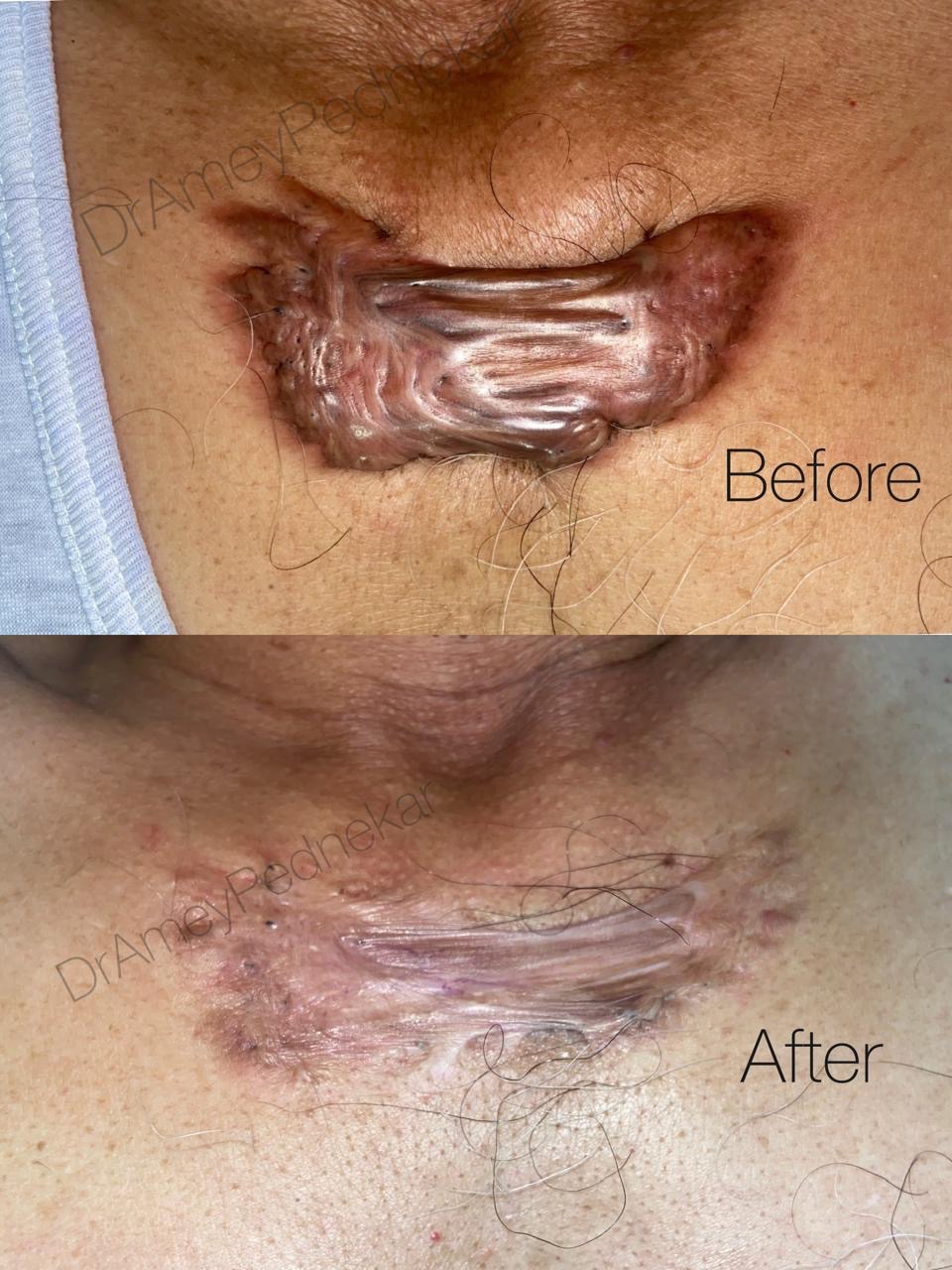
When it comes to keloid treatment, consulting a plastic surgeon is highly recommended. Plastic surgeons are experts in skin tension and wound healing. They don't just focus on removing the growth; they use a sophisticated mixture of treatments—such as combining surgery with specialized injections—to ensure the best aesthetic result and minimize the risk of the scar returning.

Success in Ear and Face Keloid Surgery
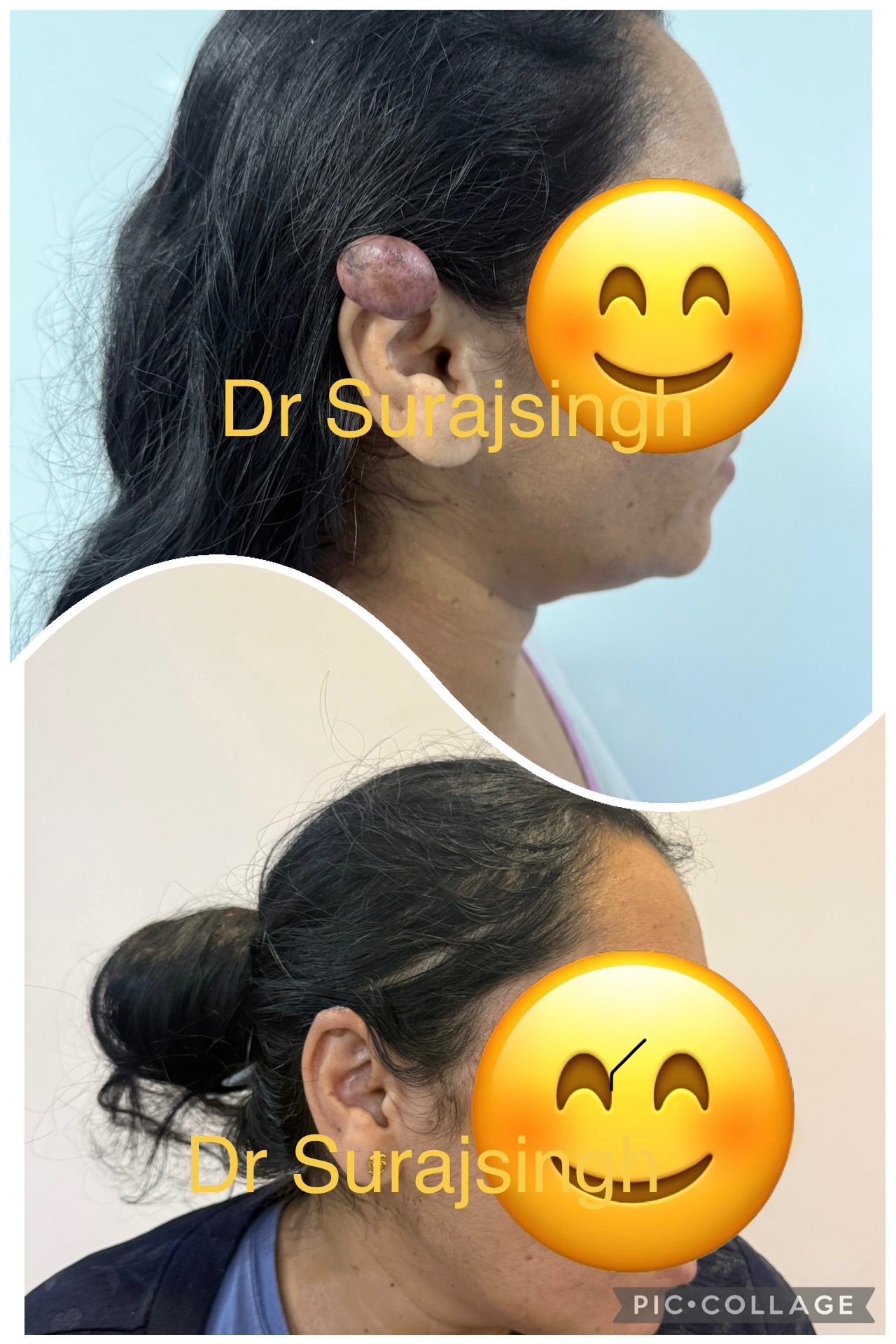
Keloids on the ears and face are particularly common due to piercings or minor injuries. Fortunately, these areas often respond exceptionally well to surgical intervention when performed by a specialist. Ear keloid surgery, when combined with precise post-operative care, offers some of the highest success rates in the field.
Preventing Recurrence with Proper Follow-Up
The key to a keloid-free future is not just the surgery itself, but the follow-up care. If you follow the specific recovery protocol provided by your plastic surgeon, the chances of the keloid returning can be virtually eliminated. Long-term monitoring ensures that any early signs of regrowth are caught and treated immediately.
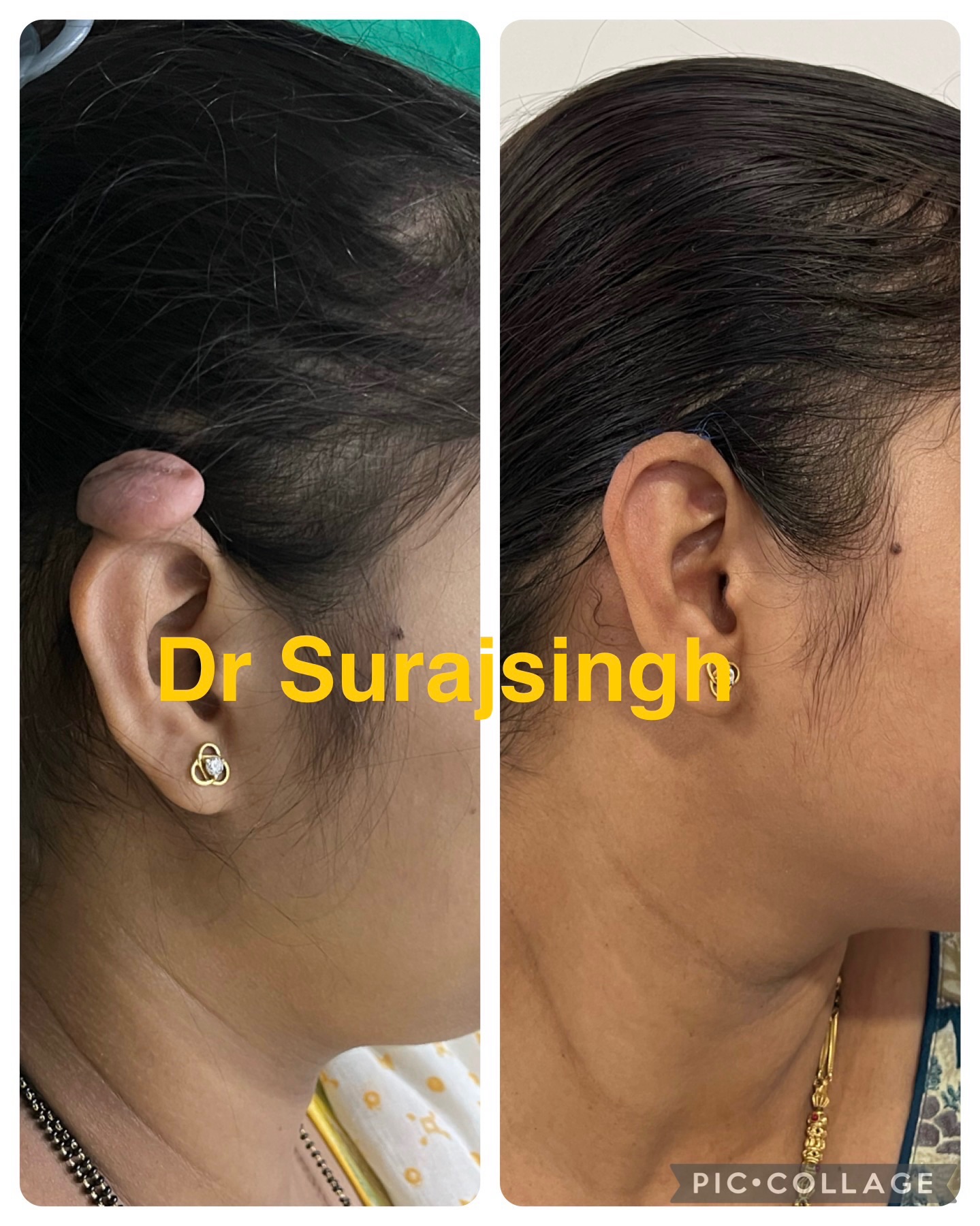
To achieve the best possible outcome for your skin, always consult a board-certified plastic surgeon. Their expertise in advanced keloid removal techniques and personalized aftercare is the most effective way to regain smooth skin and prevent recurrence.