
Understanding Hair Transplant Surgery
A hair transplant is often viewed as a simple cosmetic fix, but it is important to understand that it is a proper surgical procedure. Because it involves incisions and anesthesia, it should never be treated as a minor "clinic" service. For your safety and the best aesthetic outcome, a hair transplant must be performed by a qualified Plastic Surgeon in a certified hospital facility.
Why the Facility Matters: Hospital vs. Clinic
Choosing the right location is just as important as choosing the right doctor. A hair transplant should only be performed in a setting with a dedicated Operation Theater (OT). Unlike a standard clinic room, a modular OT is designed to maintain a sterile environment, significantly reducing the risk of post-operative infections.
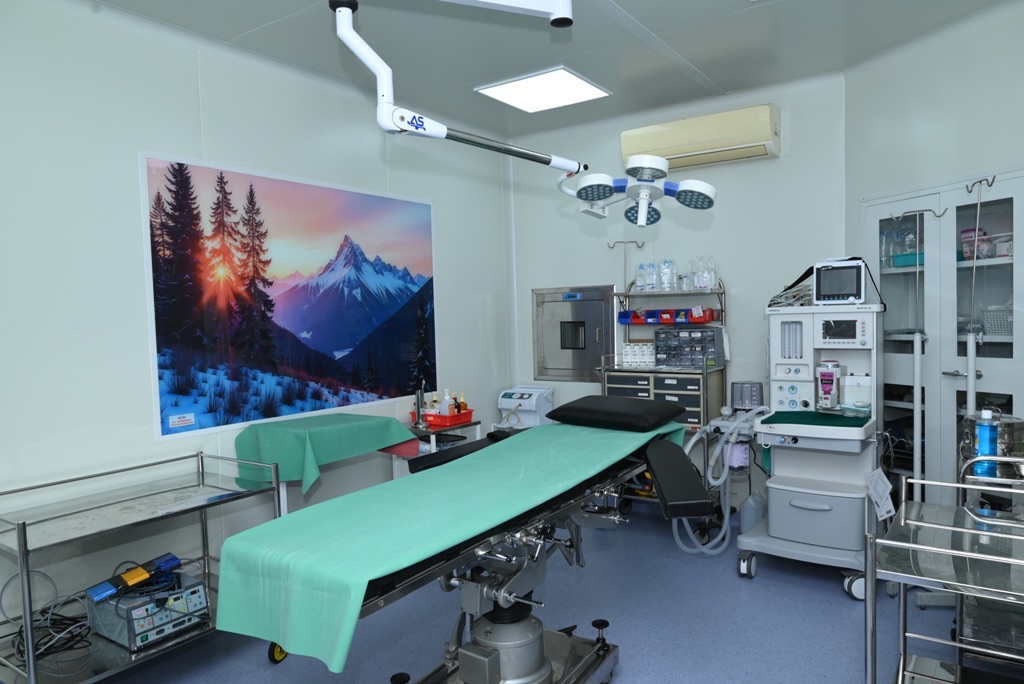
Furthermore, a certified hospital is equipped with essential emergency handling equipment and a full pharmacy. While complications are rare when the procedure is done correctly, the facility must be prepared for any situation. Having the right drugs and life-saving equipment on hand is a non-negotiable safety standard.

The Risks of Unqualified Centers
Opting for a low-cost center without qualified staff or proper equipment can lead to severe consequences. Beyond poor hair growth or an unnatural "pluggy" look, substandard hygiene can cause serious infections. In extreme cases, the lack of emergency protocols in uncertified clinics has even led to life-threatening complications. Your safety should always be the top priority.
Why a Plastic Surgeon is the Best Choice
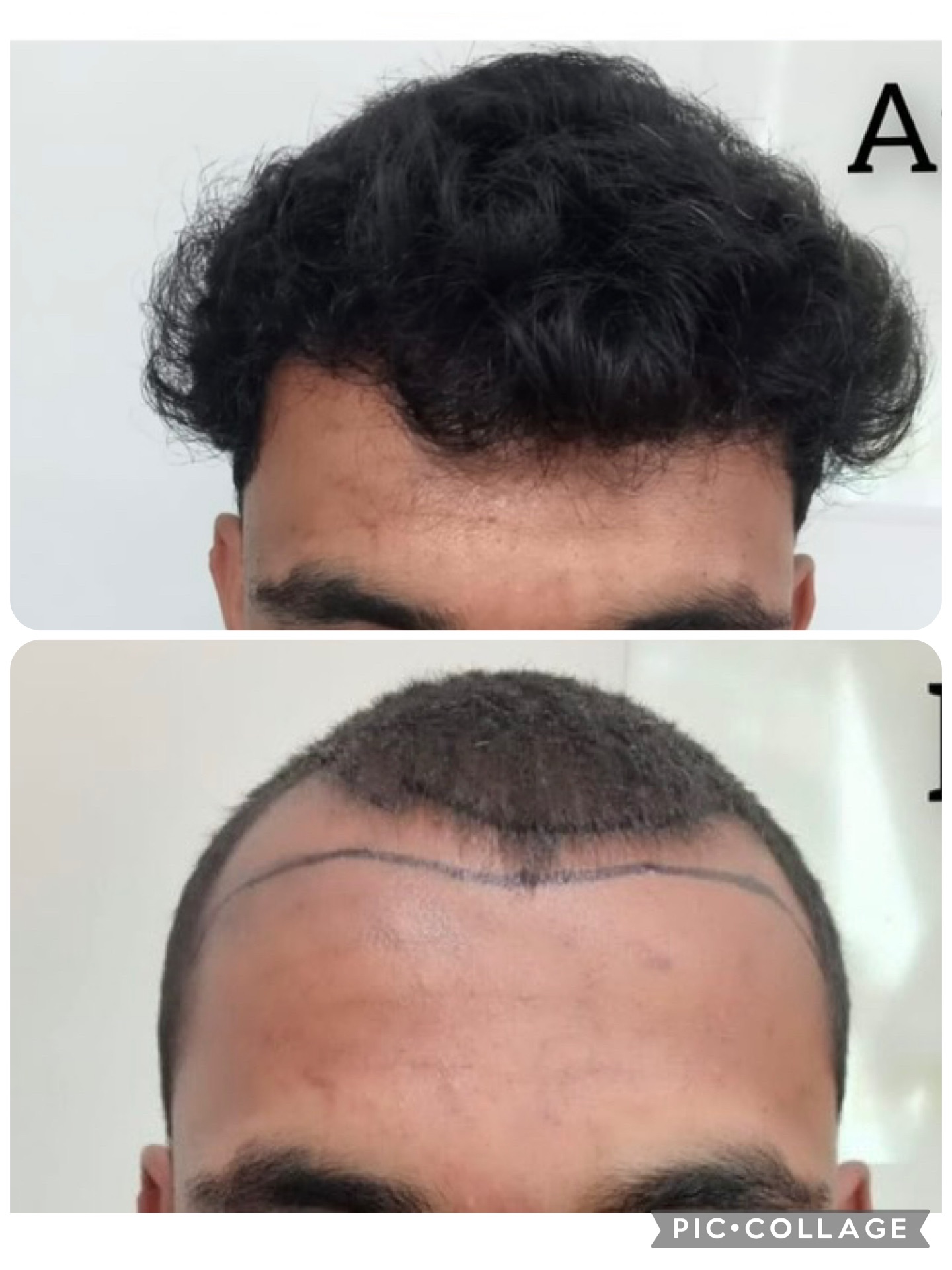
Plastic surgeons undergo years of specialized training in tissue handling, scalp anatomy, and aesthetic reconstruction. This expertise allows them to carry out the procedure with extreme precision. They do not just move hair; they design a hairline that complements your facial structure, ensuring the results look completely natural.
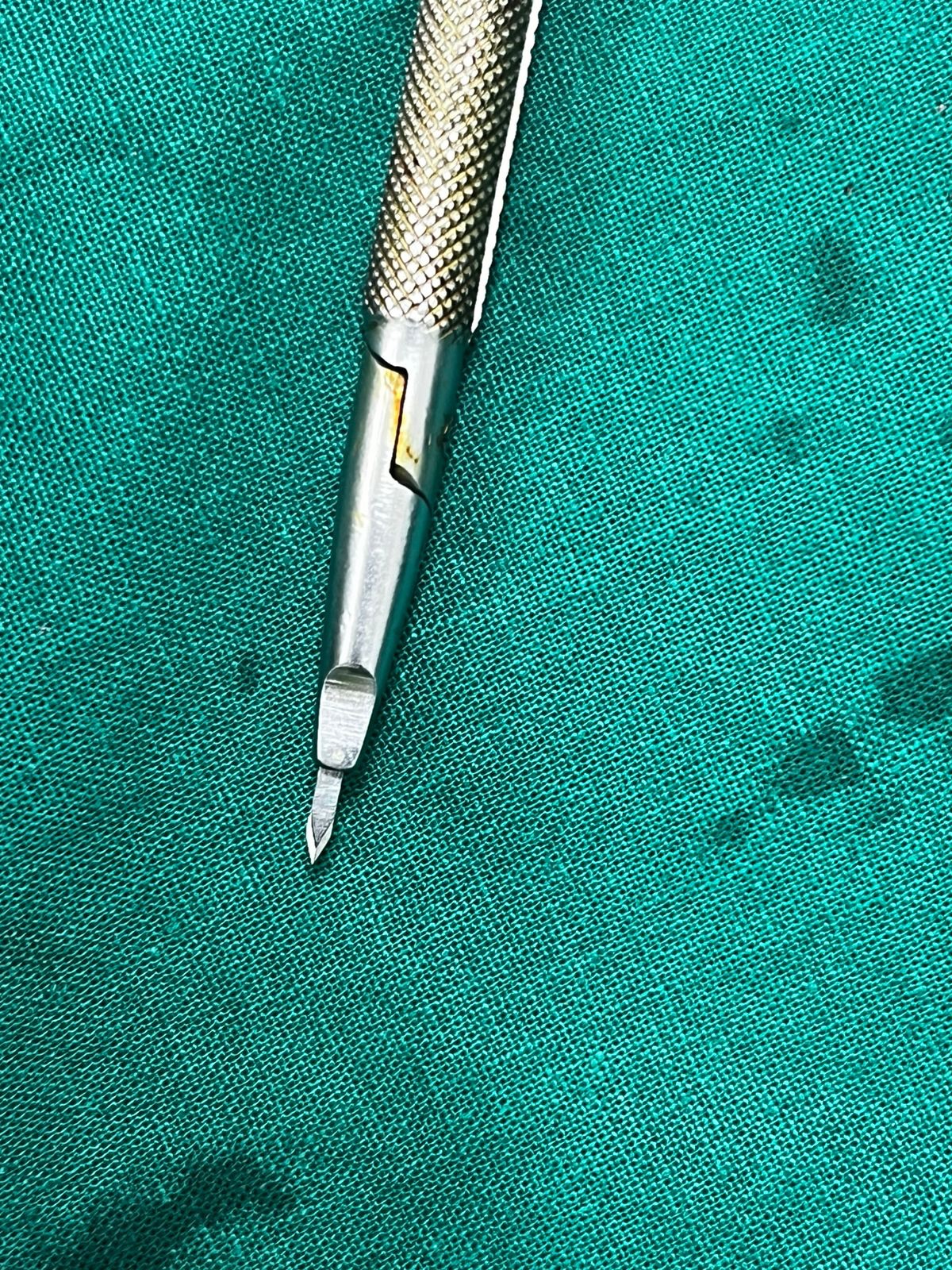
By choosing a Plastic Surgeon in a hospital setting, you ensure that the latest surgical instruments are used and that every step of the process—from graft extraction to implantation—is handled with the highest level of medical care.
Conclusion
When planning your hair restoration journey, remember that quality and safety are paramount. Always verify that your chosen center has a modular OT, qualified medical staff, and a board-certified Plastic Surgeon leading the team. This is the only way to ensure a safe experience and the natural, dense hair growth you desire.