

Understanding Gynecomastia Surgery
Gynecomastia surgery, often referred to as male breast reduction, is a specialized procedure designed to reduce the size of enlarged male breasts. The goal is to create a flatter, firmer, and more masculine chest contour. This is typically achieved through a combination of liposuction to remove excess fatty tissue and surgical excision to remove the firm glandular tissue that lies beneath the nipple.
Why Does Recurrence Happen After Surgery?
One of the biggest concerns for patients is the possibility of the condition returning. Recurrence after gynecomastia surgery is almost always linked to the surgical technique used. If the breast gland is not removed completely, the chest may still appear puffy, or the remaining tissue can continue to be affected by hormonal changes, leading to a return of the original symptoms.
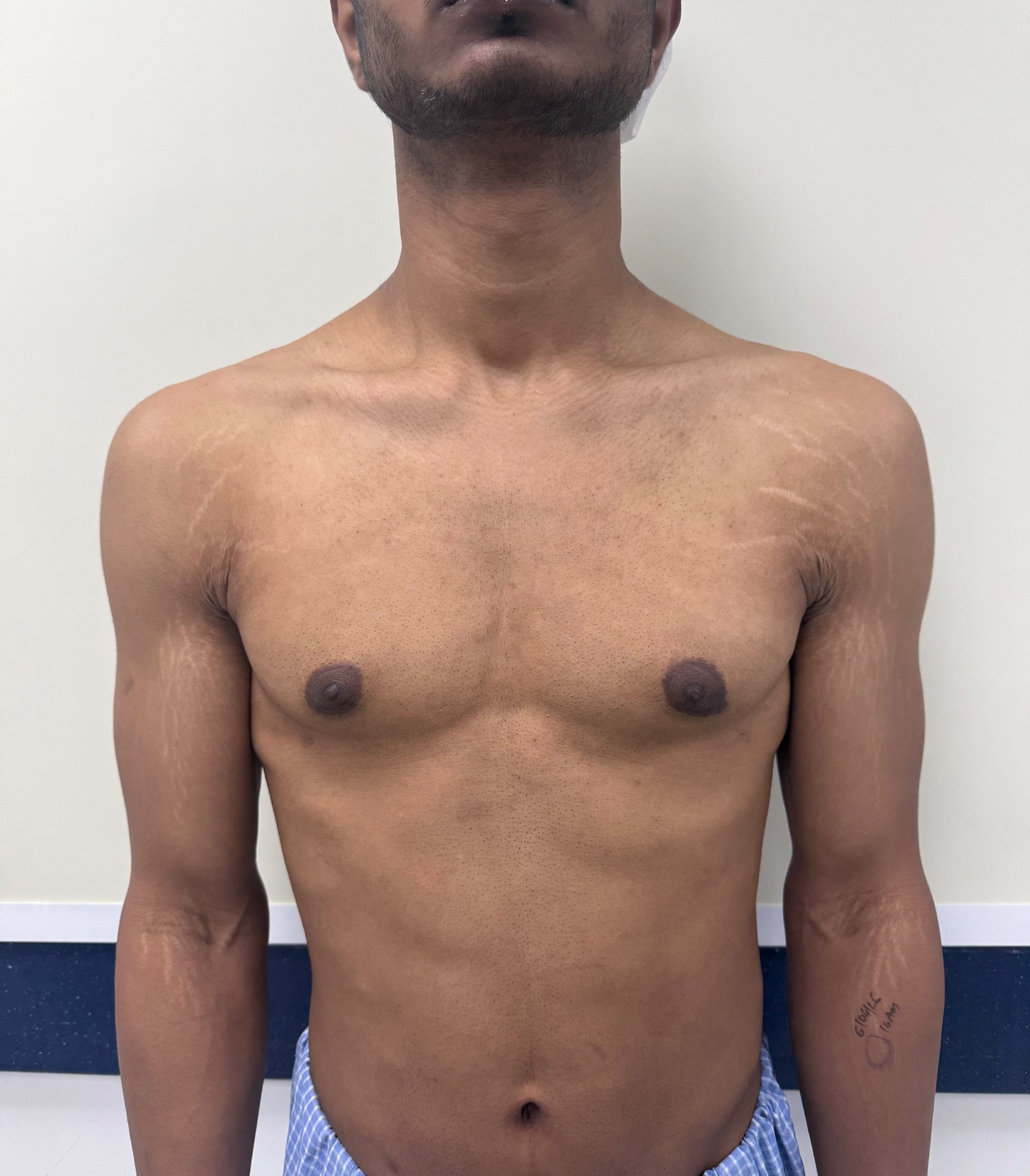
In many cases, patients experience "nipple pouting" or can still feel a hard lump under the skin because the underlying gland was only partially addressed during the initial operation.
The Risk of Choosing the Wrong Surgeon
It is common for patients to seek out "normal" or general surgeons for this procedure, often motivated by lower prices or a lack of information regarding who is best qualified to perform the surgery. However, gynecomastia correction is as much an art as it is a medical necessity. General surgeons may lack the specific training required to handle the delicate contouring of the male chest.
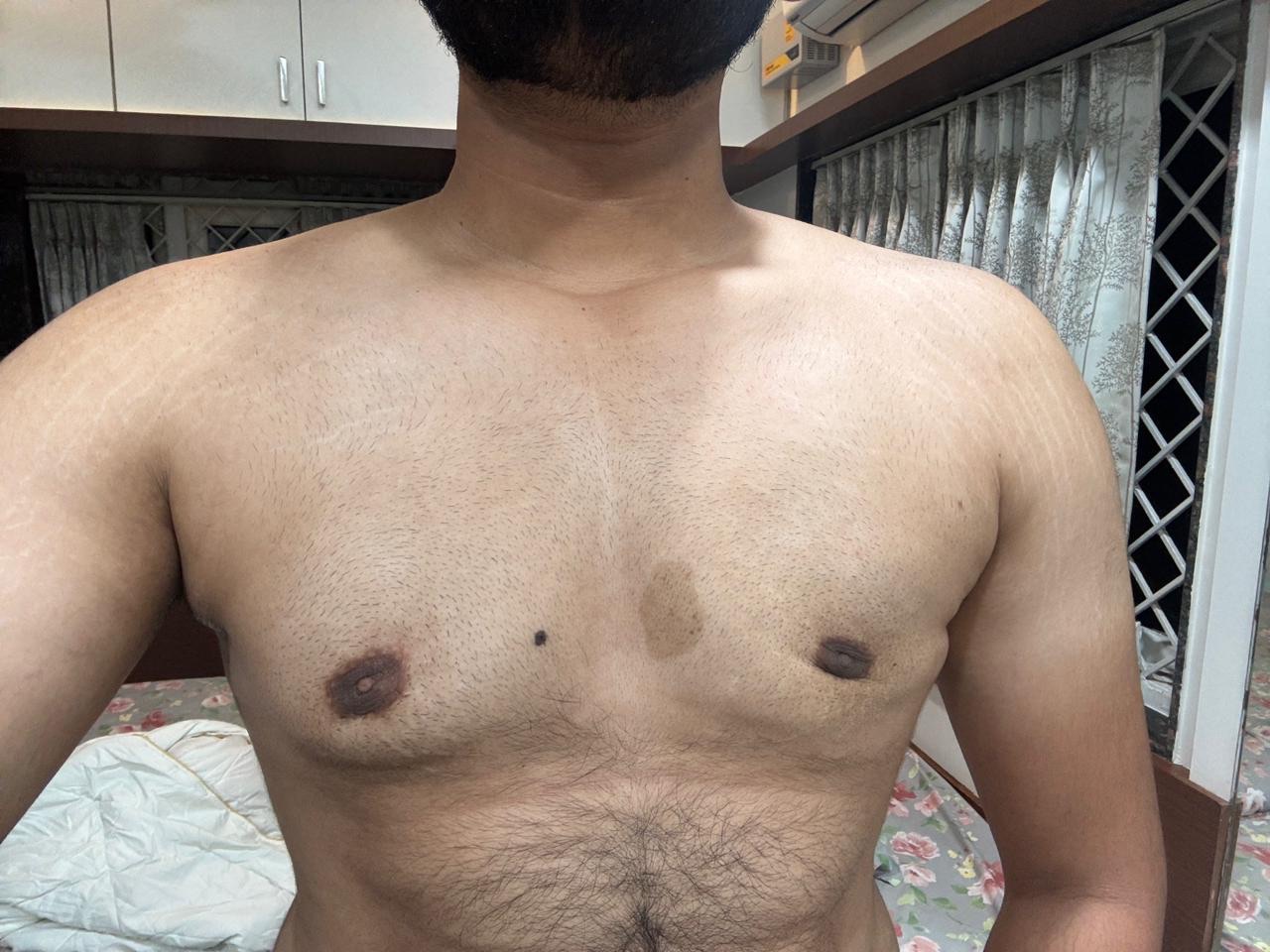
Choosing an inexperienced surgeon can lead to disappointing results, such as visible contour irregularities, asymmetry where one side looks different from the other, or even significant recurrence of the tissue.
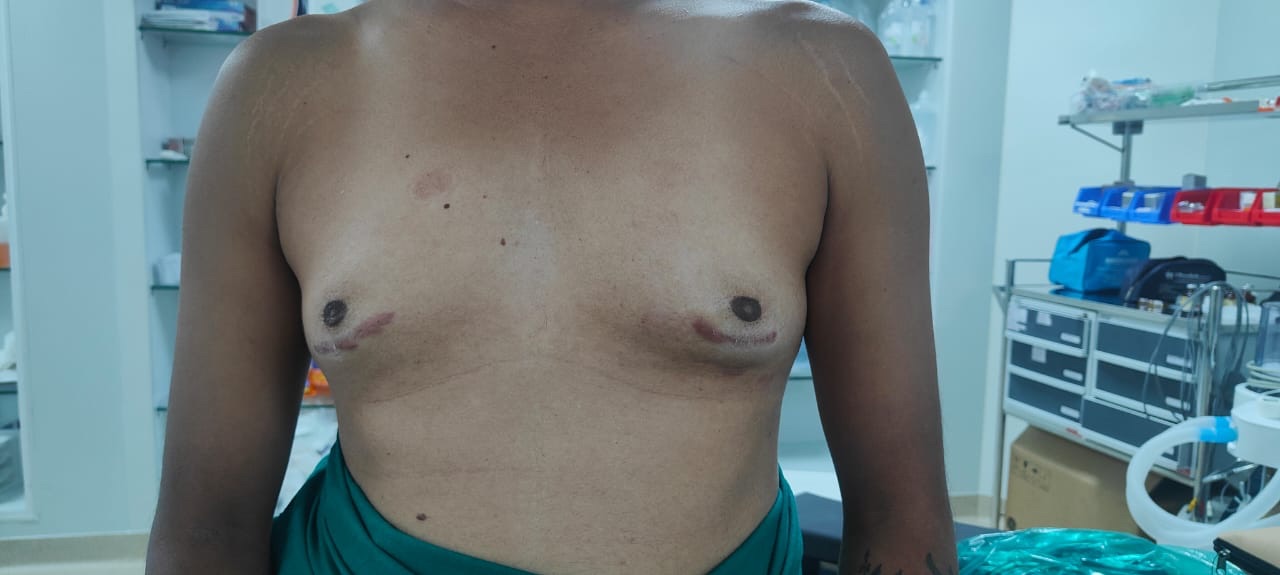
Furthermore, improper surgical techniques can result in large, unsightly scars that are difficult to hide, adding to the patient's frustration and self-consciousness.
Why a Plastic Surgeon is the Gold Standard
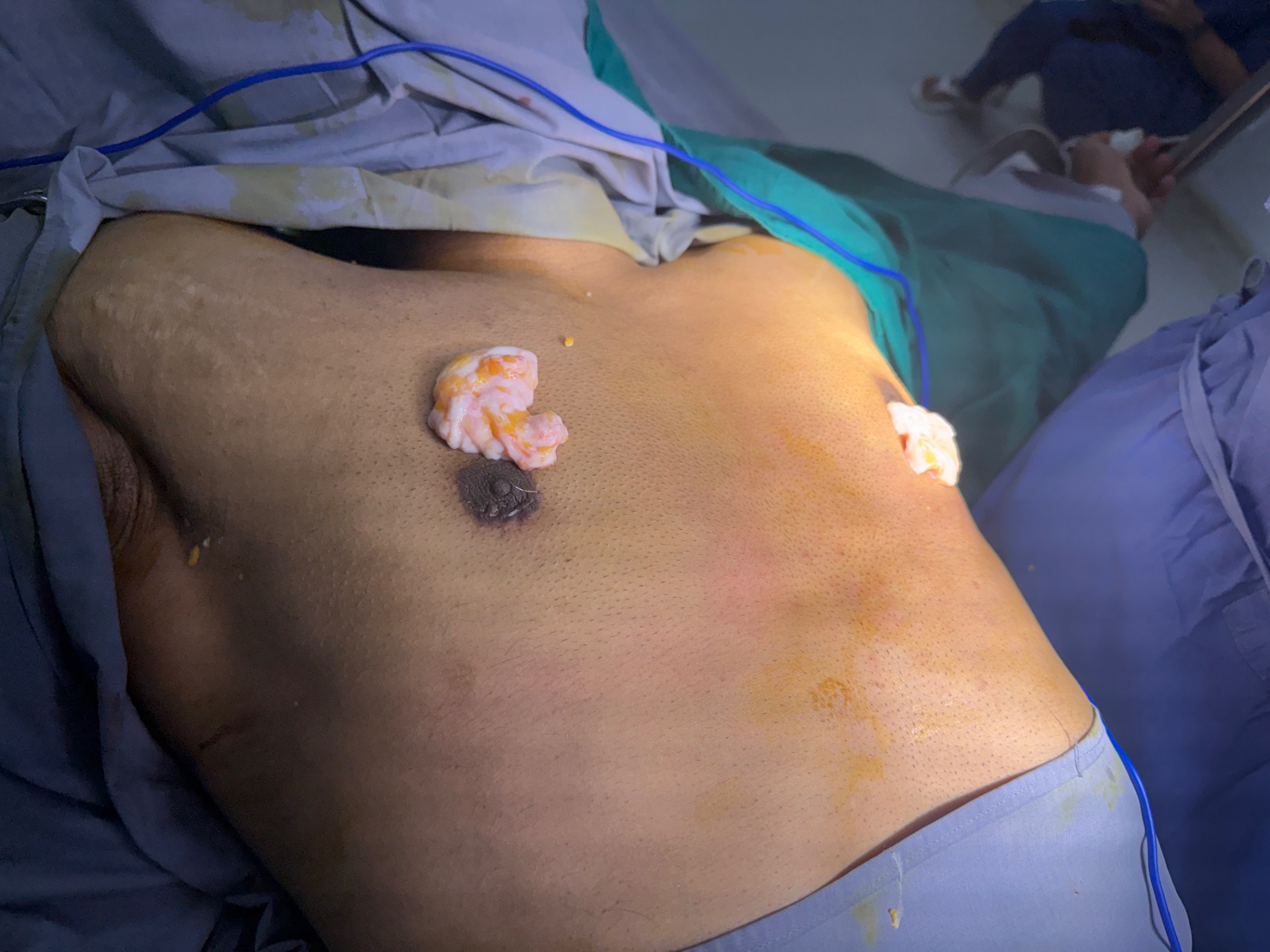
A board-certified Plastic Surgeon is the only specialist specifically trained to manage both the functional and aesthetic aspects of gynecomastia. They understand the anatomy of the male chest and have the expertise to remove the gland entirely while ensuring the skin heals smoothly.
- Complete Gland Removal: Plastic surgeons ensure the entire gland is excised, which virtually eliminates the chance of recurrence.
- Aesthetic Precision: They use advanced techniques to minimize scarring, often leaving no visible marks once the healing process is complete.
- Natural Contours: The focus is on creating a symmetrical, natural-looking chest that aligns with the patient's physique.
Plastic Surgery: A Problem-Solving Specialty
Plastic surgery is fundamentally a problem-solving specialty. If you have already undergone surgery with a general surgeon and are unhappy with the results—whether due to recurrence, asymmetry, or scarring—a plastic surgeon can help. They are experts at managing complicated cases and performing revision surgeries to fix previous mistakes.
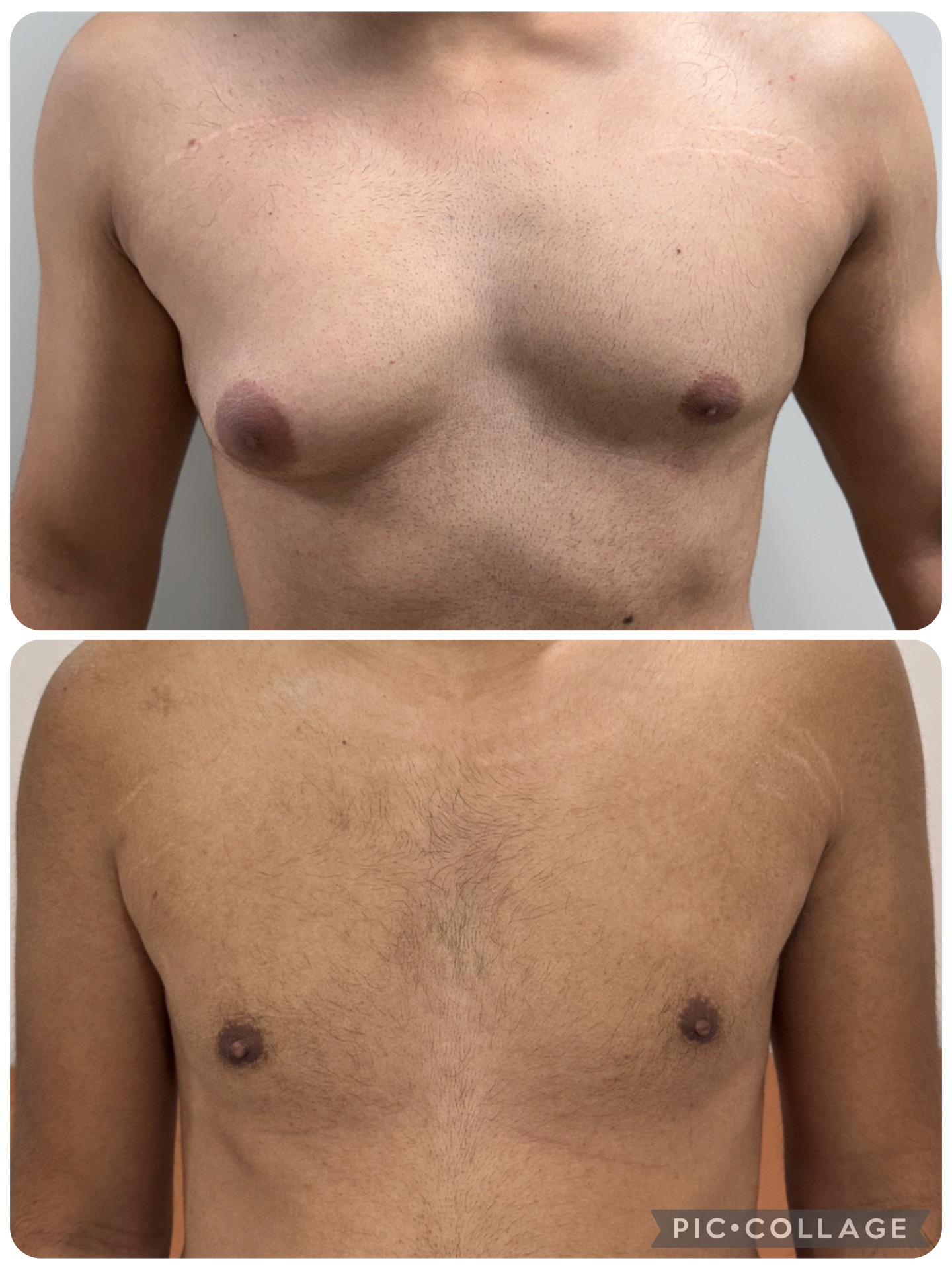
Conclusion: Do It Right the First Time
While the lower cost of a general surgeon may seem attractive initially, the risk of recurrence and the need for a second, corrective surgery can lead to much higher costs and significant emotional distress. To achieve the best results and ensure a permanent solution, it is always recommended to consult an experienced plastic surgeon from the very beginning. By choosing a specialist, you invest in your confidence and avoid the frustration of a failed procedure.