

Beyond Aesthetics: Understanding the Medical Reality of Warts
When patients visit my clinic seeking help for warts, the most frequent request I hear is: “Doctor, can you remove this? It looks bad.” While the cosmetic impact of a wart is often the primary motivator for seeking treatment, it is crucial to understand that warts are far more than just an aesthetic nuisance. They are a legitimate medical condition caused by a viral infection.
To manage them effectively, we must look past the surface and understand the science behind these growths.
What Exactly Are Warts?
Warts are benign (non-cancerous) skin growths triggered by the Human Papillomavirus (HPV). This virus targets the epidermis, the top layer of the skin, causing an overproduction of keratin. This excess keratin leads to the characteristic thickened, rough texture associated with warts.
With over 100 subtypes of HPV, the appearance and location of a wart depend heavily on the specific viral strain and the site of infection.
Common Types of Warts
Recognizing the different presentations of HPV is the first step toward proper treatment. Here are the most common types encountered in clinical practice:
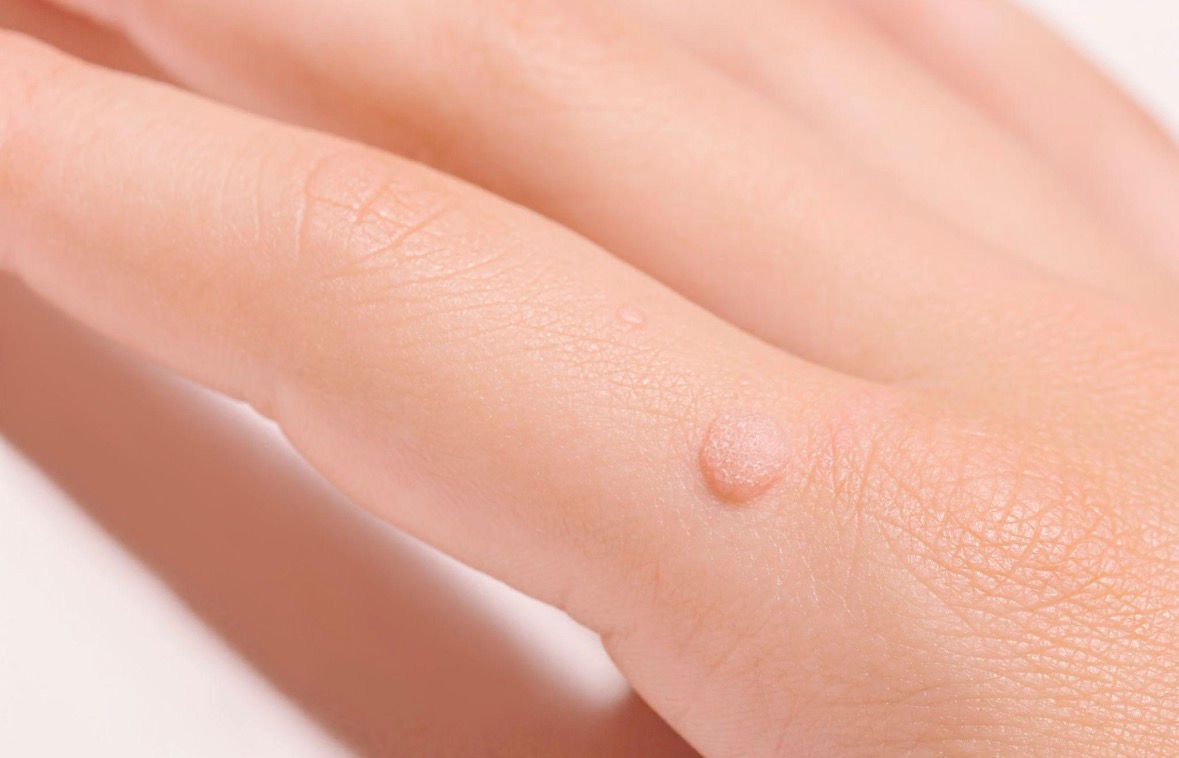
1. Common Warts (Verruca Vulgaris)
These are rough, raised lesions that most frequently appear on the hands and fingers. They often have a “cauliflower-like” appearance.
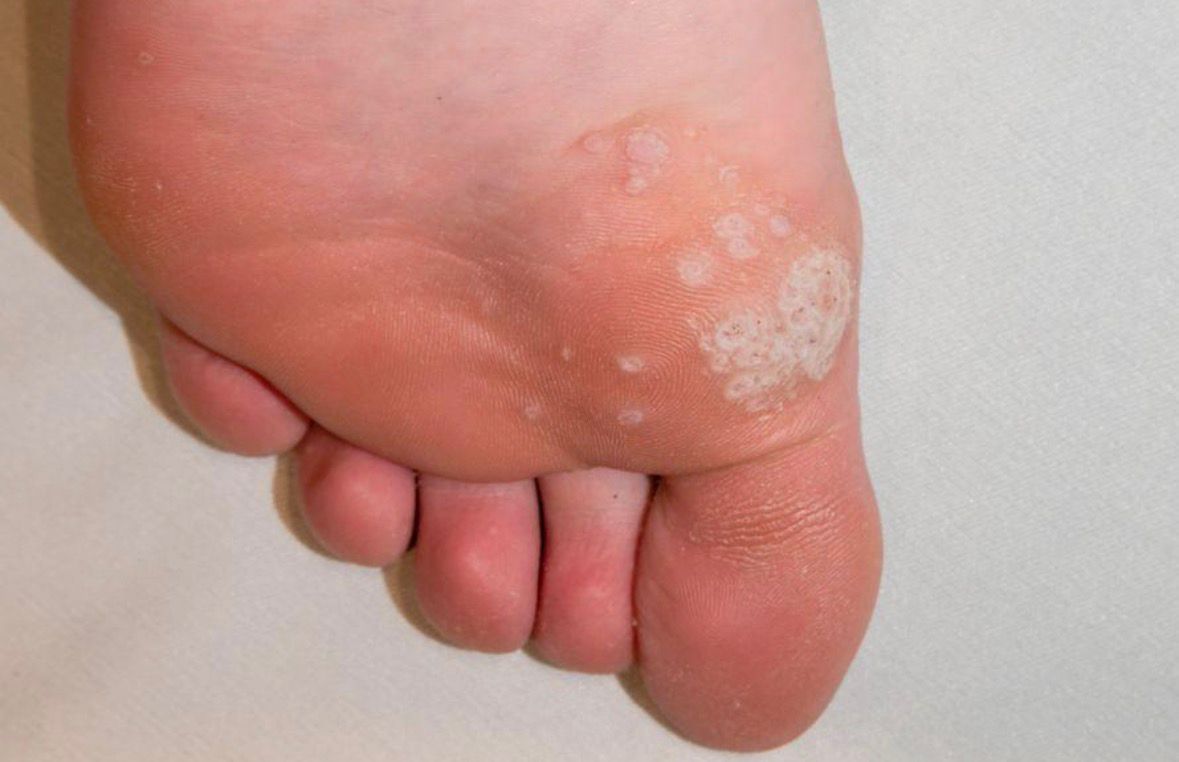
2. Plantar Warts
Found on the soles of the feet, these warts grow inward due to the pressure of walking. They can be significantly painful and are often mistaken for calluses.
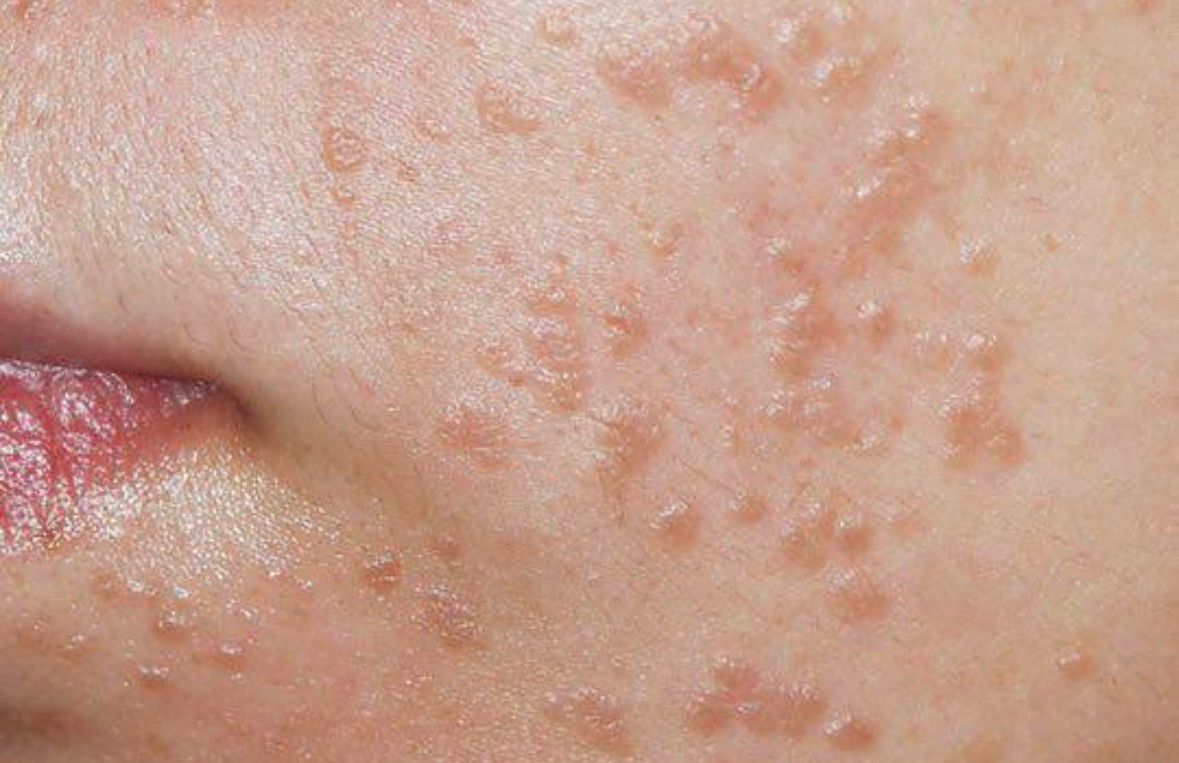
3. Flat Warts
These are smaller, smoother, and flatter than other varieties. They tend to appear in large numbers, often on the face, neck, or arms.
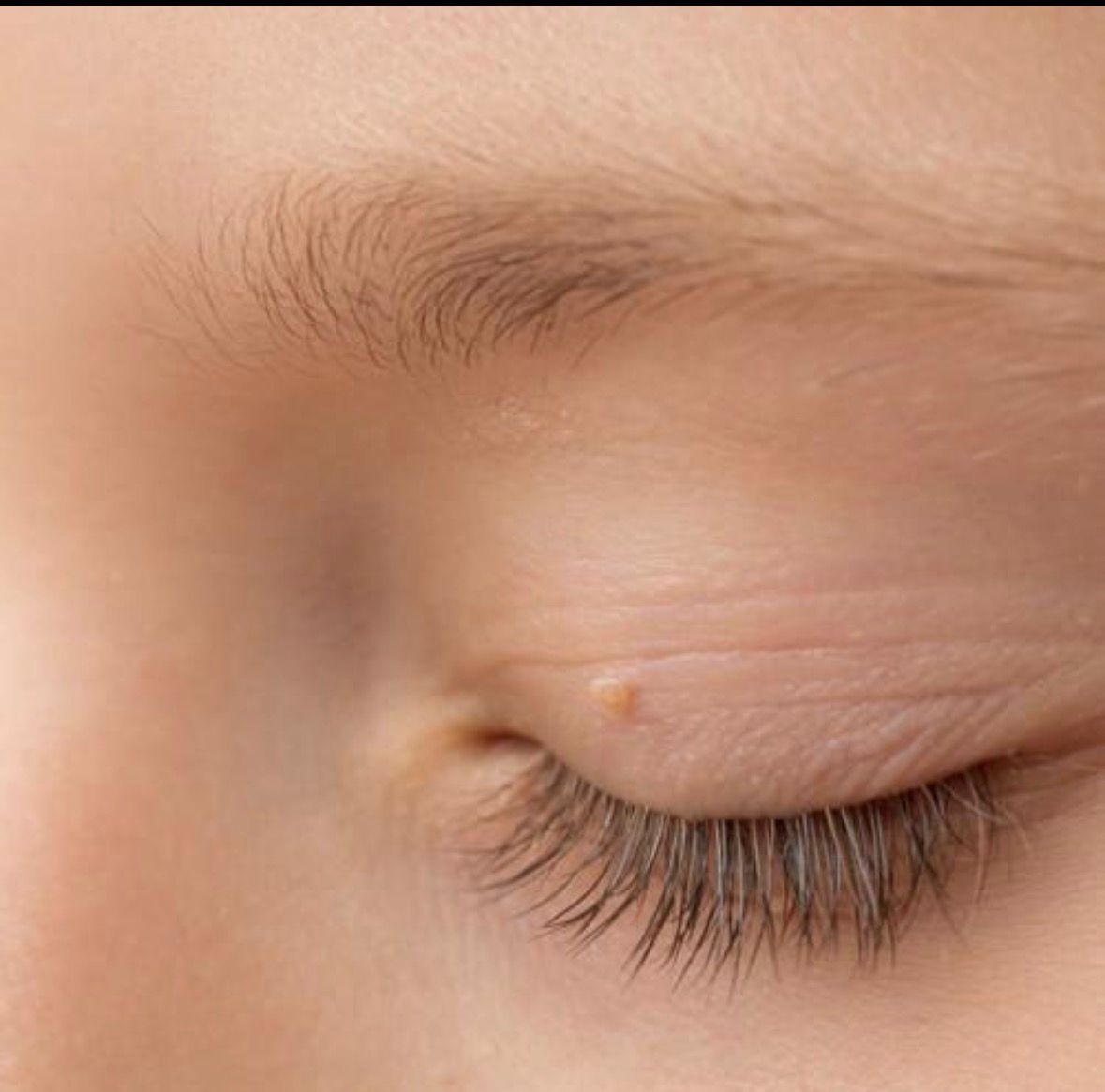
4. Filiform Warts
Characterized by long, thread-like projections, these warts typically grow around the eyelids, lips, or neck.
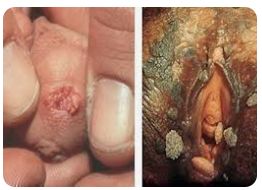
5. Genital and Mucosal Warts
Certain strains of HPV affect the mucosal areas. These require specialized medical attention due to their highly contagious nature and potential health risks.
Why Warts Are a Serious Medical Concern
It is a mistake to view warts as static or harmless. There are several reasons why medical intervention is necessary:
- They Are Highly Infectious: HPV spreads easily through direct skin-to-skin contact or by sharing personal items like towels and razors. Micro-abrasions in the skin act as entry points, meaning a single wart can quickly lead to many more.
- They Can Multiply: Without treatment, warts rarely stay the same. They can grow in size, spread to adjacent skin, or form clusters known as mosaic warts.
- Physical Discomfort: Beyond the itchiness, warts in high-pressure areas (like the feet) can cause chronic pain and even alter a person's gait or posture.
- Diagnostic Confusion: Not every growth is a wart. Lesions can often mimic skin tags, seborrheic keratosis, or even early-stage skin cancers. A professional diagnosis is vital to rule out more serious conditions.
- Oncogenic Potential: While most cutaneous warts are benign, specific HPV strains—particularly mucosal types—are associated with an increased risk of malignancies.
The Failure of Home Remedies
Many patients attempt to treat warts at home using salicylic acid, DIY methods like garlic or apple cider vinegar, or over-the-counter freezing kits. Unfortunately, these often fail because:
- They may not reach the root of the viral infection.
- They can cause chemical burns or damage to the healthy surrounding skin.
- They frequently lead to recurrence because the virus remains active in the deeper layers of the skin.
Evidence-Based Treatment Options
Modern dermatology provides several safe and highly effective ways to eliminate warts and reduce the risk of them returning:
- Cryotherapy: Using liquid nitrogen to freeze the wart tissue, causing controlled destruction of the lesion.
- Laser Removal: Utilizing specialized lasers (such as CO2 or Q-switched) to target the blood supply of the wart, making it an excellent choice for resistant cases.
- Radiofrequency (RF) Cautery: This method uses high-frequency electrical currents to burn and remove the wart tissue with precision.
- Fulguration: Often used alongside cautery, this technique ensures the base of the lesion is treated to minimize the chances of regrowth.
- Immunomodulation: For recurrent or widespread warts, treatments that enhance the body’s own immune response to HPV can be highly effective.
The Importance of Early Intervention
Treating a wart as soon as it appears is the best way to ensure a quick recovery. Early treatment prevents the virus from spreading to other parts of your body or to your loved ones, reduces the number of sessions required, and ensures the best possible cosmetic outcome.
As an aesthetic physician, my goal is to bridge the gap between looking your best and being your healthiest. Warts sit at the intersection of cosmetic concern and infectious disease; ignoring them is a risk you don't need to take. If you notice a new growth, skip the guesswork and consult a qualified professional.